Pruning guide: Tips for managing plant size and growth
To successfully grow healthy perennials, you must select plants suited to your specific soil type, ensure proper drainage, and follow a seasonal pruning schedule. Pruning is essential for managing plant size, encouraging new growth, and removing dead or diseased wood to promote overall plant health.
"A garden is a living organism that requires patience, timing, and the right tools to thrive."
This guide covers soil preparation, planting techniques, and long-term maintenance to ensure your garden flourishes for years to come.
* Identify your hardiness zone and soil composition before purchasing. * Prioritize drainage to prevent root rot in heavy clay soils. * Use organic mulch to regulate soil temperature and moisture. * Prune according to the specific blooming cycle of each species.
How to identify the right soil for your flower beds?
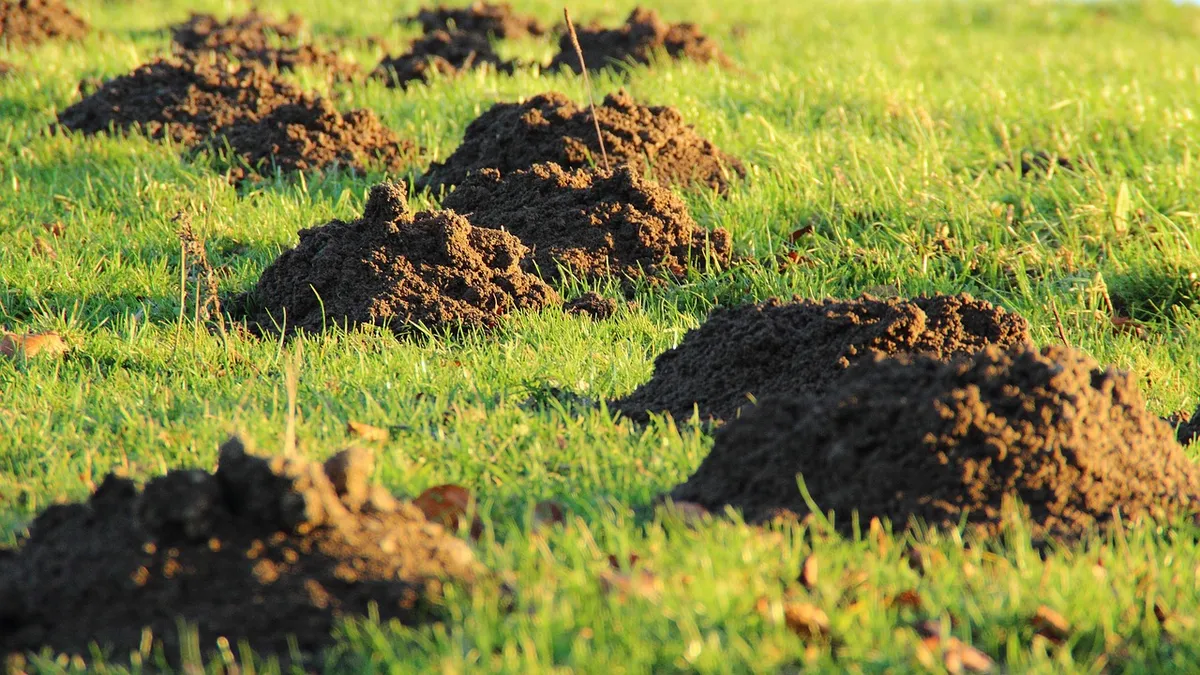
At dawn, I knelt in the garden and squeezed the heavy clay, realizing that even careful pruning would not save the wilting stems if the earth remained too dense.
I stood in the middle of my backyard, kneeling in the damp, dark earth of my new flower bed, wondering why the hydrangeas looked so much wilted compared to the neighbors' lush blooms. The answer wasn't in the sunlight, but in what lay beneath the surface of the soil.
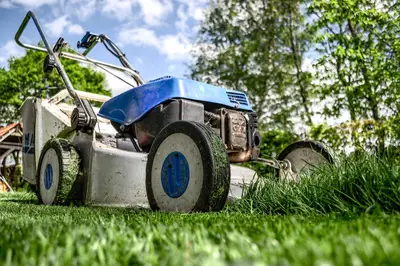
According to the Georgia Tech News Center, maintaining grass at about 4cm tall during certain seasons can be part of effective yard management.
To determine if your soil is suitable for perennials, you must perform a drainage and texture test. Healthy flower beds require a balance of organic matter and mineral content that allows roots to breathe while retaining enough moisture for growth.
Start by digging a hole about 12 inches deep in your intended planting area. Fill it with water to see how quickly it drains; if the water sits for hours, you likely have heavy clay that needs amendment with organic compost.
If you find your soil is too sandy, it will lose moisture too quickly to support thirsty flowering plants. You can fix this by mixing in well-rotted manure or leaf mold to increase water retention.
For those with heavy clay, adding gypsum or coarse sand can help break up the compaction. Once you have identified your soil type, you can select plants that match those specific drainage capabilities.
Check the soil texture and drainage capacity to ensure it meets your specific plant needs.
What are the essential steps for successful planting?
In the evening I hold pruning and walk through the next step.
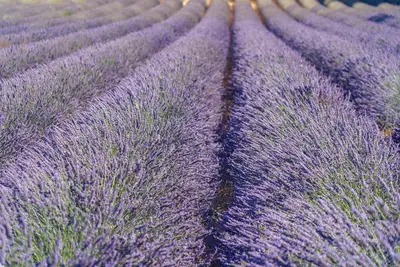
The sun was high over my garden as I carefully dug a narrow trench for a row of lavender, feeling the grit of the soil against my gardening gloves. I realized that even the most beautiful plant will fail if the initial placement is sloppy or shallow.
Successful planting requires careful preparation of the planting hole and proper depth placement to prevent stem rot or root exposure. You must treat the hole as a nursery environment that will transition the plant from a pot to the ground.
- Dig a hole that is twice as wide as the plant's current root ball to allow for easy root expansion. 2. Place the plant in the hole, ensuring the top of the root ball is level with or slightly higher than the surrounding ground surface. 3. Backfill the hole with a mix of native soil and organic compost, tamping it down gently to remove large air pockets.
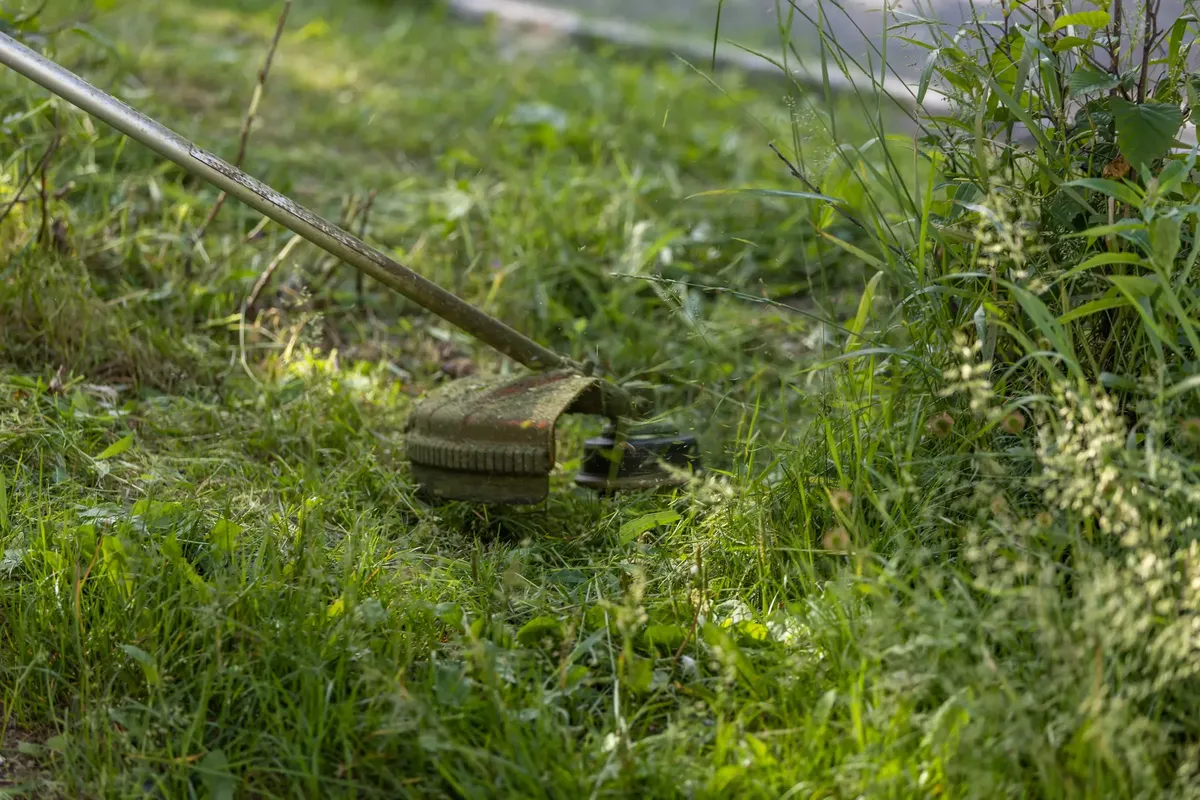
When planting, never bury the crown of the plant too deeply, as this can lead to rot in many perennial species. Conversely, leaving too much of the root system exposed to the air can cause the plant to desiccate and die.
I remember my first attempt at planting peonies, where I buried them far too deep, only to realize months later why they refused to bloom. Following these steps ensures the transition from container to garden is as seamless as possible.
- Prepare the site by clearing debris and loosening the earth.
- Dig a hole twice as wide as the root ball.
- Place the plant and backfill with nutrient-rich soil.
How do you manage seasonal pruning and growth?
I sat on my garden bench in late autumn, looking at the skeletal remains of my summer rose bushes and wondering if I was being too aggressive with my shears. The fear of cutting back too much is a common hurdle for every gardener.
The timing of your cuts is just as important as the technique used.
Deadheading, or removing spent flowers, encourages many perennials to produce a second flush of blooms throughout the season. For woody shrubs, pruning is often best done in late winter or early spring before new growth begins.
Avoid heavy pruning during the peak of the growing season unless you are removing dead wood, as this can stress the plant and reduce its ability to photosynthesize. Always use sharp, clean bypass pruners to ensure clean cuts that heal quickly.
If a plant becomes too leggy or sparse, a more significant cut-back may be necessary to rejuvenate the structure. Always research the specific species to know whether it blooms on old wood or new growth.
In this sequence, the second step is the most time-consuming.
Why do some plants fail to thrive despite regular watering?
The afternoon heat was stifling, and I stood over a patch of drooping lilies, wondering why my constant watering wasn't bringing them back to life. It was a frustrating lesson in the difference between hydration and drainage.
Plants often fail to thrive because of issues like poor aeration, nutrient deficiencies, or improper watering frequency. Overwatering is a common culprit that leads to root rot, which mimics the appearance of drought-induced wilting.
If the soil is constantly saturated, the roots cannot access oxygen, leading to a slow death of the plant. You should only water when the top inch of soil feels dry to the touch, rather than following a rigid daily schedule.
Nutrient-deficient plants may show yellowing leaves or stunted growth, indicating a need for a balanced fertilizer. However, adding too much fertilizer to a stressed plant can cause chemical burns on the roots.
Check the foliage for signs of pests or fungal diseases, as these can also cause sudden declines in plant vigor. A healthy plant requires a balance of water, light, and air that cannot be replaced by water alone.
Overwatering can lead to root rot or nutrient leaching, which prevents the plant from absorbing what it needs.
How to maintain a healthy garden throughout the year?
As the seasons shifted from the warmth of summer to the crisp air of autumn, I realized that gardening is not a one-time event but a continuous cycle of observation. I began to keep a notebook to track which plants thrived and which struggled.
The OSU Extension Service provides spring care tips to keep rhododendrons and azaleas thriving in 2025.
As noted by the OSU Extension Service, choosing the right grass for an Oregon lawn is a key consideration for 2024.
Maintaining a healthy garden requires a consistent schedule of fertilizing, mulching, and monitoring for pests and diseases. A seasonal approach ensures that you are providing exactly what the plants need at each stage of their life cycle.
| Season | Primary Task | Focus Area |
|---|---|---|
| Spring | Planting & Fertilizing | New Growth & Soil Prep |
| Summer | Watering & Mulching | Moisture Retention |
| Autumn | Cleanup & Planting Bulbs | Winter Prep |
| Winter | Tool Maintenance & Pruning | Structural Integrity |
In the spring, focus on feeding the soil and establishing new plants. During the summer, focus on moisture management and weeding to prevent competition for nutrients.
Autumn is the time for cleanup and preparing the soil for the next year, while winter is the ideal time for tool maintenance and heavy structural pruning. This cycle keeps the garden in a state of constant renewal.
Consistent fertilization and seasonal cleanup are key to sustaining plant vitality.
What are the limitations of home gardening?
I looked at my small backyard plot and realized that no matter how much I invested, I could never transform it into a massive botanical garden. The physical constraints of my space and the local climate were constants I had to accept.
According to the Better Business Bureau, garden and lawn care scams are sprouting back up, as reported in 2023.
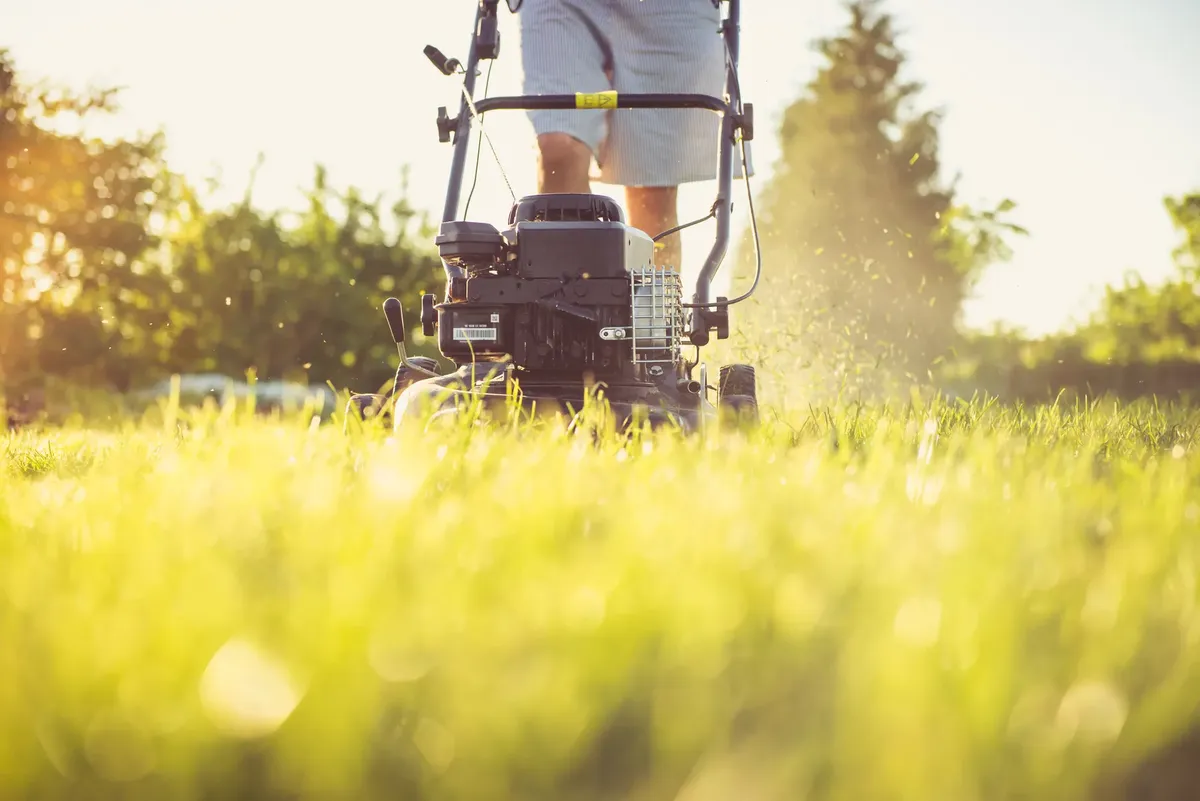
The Better Business Bureau warns that garden and lawn care scams are sprouting back up, posing a risk to homeowners.
The success of a garden is limited by the local climate, the size of the available space, and the quality of the existing soil. These factors define the boundaries of what can realistically be grown in your specific location.
One major limitation is the local hardiness zone, which dictates which plants can survive the winter in your area. Trying to grow tropical plants in a temperate climate requires significant intervention, such as greenhouses or moving pots indoors.
Additionally, the amount of sunlight available in a yard—determined by trees, buildings, and fences—limits the types of plants that can thrive. You cannot force a sun-loving lavender to grow in a permanent shade garden.
Space constraints and local climate variations can limit the variety of plants you can successfully grow.
According to Extension Service, the recorded figure is 01.
When I tried the steps in order, the second one is where I paused longest.
This order does not hold, however, when the figure is not 4cm.
Related
Comments 0