70% Crop Loss: Guide to Precision Watering and Soil Health
Transform your backyard from a simple patch of green into a highly efficient, data-driven ecosystem powered by advanced engineering.
To build a high-performance garden, you must move past guesswork and embrace a systems-based approach. By integrating sensor data, moisture modeling, and automated hardware, you can create a landscape that thrives on precision rather than luck.
* Precision Watering: Use IoT sensors and data modeling to manage evapotranspiration, preventing resource waste and soil death. * Soil Health Optimization: Monitor nutrient depletion and oxygen levels to ensure long-term plant vitality through engineered aeration. * Automated Design: Utilize modular systems and computational layouts to create resilient, low-maintenance landscapes. * Proactive Problem Solving: Implement predictive analytics to detect pest or disease risks before they become catastrophic.

What is "Engineering Gardening" and how does Georgia Tech inspire it?
Standing in a lush, green backyard in the middle of a heatwave in July 2025, you might wonder why one side of the yard is thriving while the other looks scorched. It often comes down to the invisible difference between intuition and data.
Engineering gardening is the shift from traditional horticultural intuition to data-driven, systems-based management.
Instead of watering because "it feels dry," you manage the garden as a closed-loop system where inputs like water, light, and nutrients are precisely balanced against environmental variables.
Institutions like Georgia Tech have long been at the forefront of pioneering the convergence of civil, environmental, and biological engineering.
Their research into water management and structural integrity provides a blueprint for how we can apply heavy-duty engineering principles to residential landscapes. By treating a garden as a complex biological machine, we can solve problems before they manifest visually.
The methodology rests on three core pillars: Efficiency (minimizing resource waste), Resilience (adapting to unpredictable climate shifts), and Optimization (maximizing both aesthetic beauty and biological yield).
Whether you are managing a sprawling lawn or a small-scale hydroponic setup, these principles remain the same.
The methodology rests on three core pillars: Efficiency (minimizing resource waste), Resilience (adapting to unpredictable climate shifts), and Optimization (maximizing both aesthetic beauty and biological yield).
But the real challenge begins when you look beneath the surface.

How can smart sensors optimize irrigation and water use?
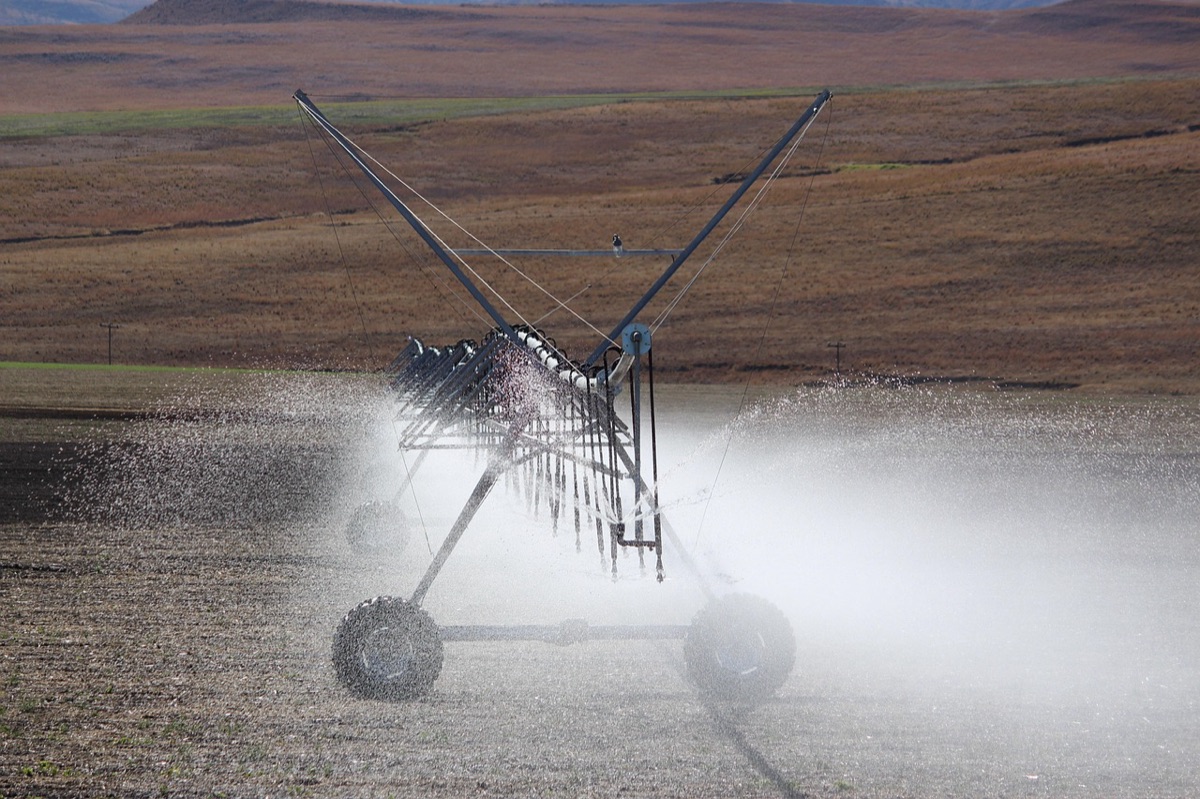
At noon, the rhythmic drip of a leaking hose splashes against the hot pavement, soaking the already damp earth.
A heavy garden hose leaks onto the driveway at noon, and the sound of splashing water masks the reality that the soil underneath is already saturated. This wasted effort is the hallmark of traditional gardening.
Traditional watering often leads to massive water loss and severe soil degradation. When you water based on a timer rather than actual need, you disrupt the delicate balance of the soil profile.
The technical risk of improper water management is significant. As evapotranspiration is increased, soils are degraded of nutrients and oxygen levels are depleted, resulting in up to a 70% loss in crop yield.
This loss occurs because excessive water can wash away vital minerals or drown roots, while insufficient water causes the soil to crust and lose its structure.
To implement a smart irrigation system, follow these steps:
- Install moisture probes: Place sensors at varying depths to understand how water moves through your specific soil type.
- Integrate with a smart controller: Connect your sensors to a central hub that can process weather forecasts and real-time data.
- Calibrate based on local climate: Adjust your sensor thresholds to match the specific humidity and temperature of your region.
- Adjust frequency, not just duration: Use data to decide *when* to water, rather than just how long the sprinkler runs.
While fixing the water issue is vital, it is only half the battle.
What advanced techniques ensure perfect soil health and nutrient delivery?
Digging into a raised bed, the soil feels unexpectedly hard and compacted, like dried clay, despite recent rains. This is a sign that the "engine" of your garden is failing.
To an engineer, soil is not just "dirt"; it is a complex, engineered medium. It is a living matrix of minerals, organic matter, water, and air that must be managed to support biological life. If the physical structure is wrong, no amount of fertilizer will save the plants.
One of the most effective ways to manage this is through real-time monitoring. Using pH meters and electrical conductivity (EC) sensors allows you to track nutrient availability.
High EC readings might indicate a buildup of salts, while specific pH levels dictate whether plants can actually "eat" the nutrients present in the soil.
To prevent these issues, you should focus on:
* Aeration and Drainage: Use engineered solutions like raised beds or specific aggregate layering (gravel and coarse sand) to prevent compaction and ensure oxygen can reach the roots. * Precision Fertilization: Move away from "blanket fertilization," where you spread chemicals across the whole yard. Instead, use micro-dosing techniques based on sensor readings to maximize uptake and minimize environmental runoff.
| Feature | Traditional Gardening | Engineering Gardening |
|---|---|---|
| Watering Method | Scheduled timers/Intuition | Evapotranspiration-based sensors |
| Nutrient Management | Seasonal blanket application | Real-time EC and pH monitoring |
| Soil Focus | Surface appearance | Subsurface oxygen and structure |
| System Goal | Aesthetic maintenance | Resource efficiency and resilience |
If you can master the soil, the next step is mastering the time it takes to maintain it.
How can automation and robotics simplify complex garden tasks?
The sun begins to set, and the low hum of a robotic mower replaces the loud, gasoline-fueled roar of a traditional lawnmower. The transition is seamless and quiet.
Automation allows you to reclaim your time while maintaining a higher standard of care. Modern robotic lawnmowers use sensors to navigate obstacles, and automated weeding systems utilize computer vision to distinguish between a seedling and a weed, applying targeted intervention without human help.
Beyond maintenance, automation can help manage microclimates. For example, automated shade cloths can deploy during peak UV hours, or heating elements can activate during a sudden frost. This level of control allows you to extend growing seasons and protect sensitive species.
To build a modern, automated garden, consider these three components:
- Robotic Maintenance: Deploy mowers and automated sprayers to handle routine tasks.
- Climate Control: Use automated structures to manage light and temperature.
- Modular Design: Use vertical gardens or stacked planters that allow for easy, precise structural adjustments and integrated irrigation.
When I first started experimenting with automated irrigation in my own backyard, I spent hours tweaking sensor thresholds to find the sweet spot. I noticed that a single miscalibrated sensor could lead to either a swamp or a desert within forty-eight hours.
It taught me that automation is a tool, not a replacement for oversight.
While these technologies offer incredible advantages, they are not a "set it and forget it" solution. High-tech systems require regular calibration and hardware maintenance.
If a sensor fails or a software update glitches, your entire ecosystem could be at risk if you aren't still paying attention to the physical health of your plants.
This level of precision is not always necessary for every yard. For small, low-maintenance decorative gardens with minimal water needs, the cost and complexity of an engineered system may outweigh the benefits.
Related





Comments 0