Flower Feeding Guide: Match Nutrients to Bloom Success
"A garden that blooms in spectacular color is rarely the result of luck; it is the result of understanding the specific hunger of every petal and stem."
To get the most vibrant blooms, you must move away from the "one size fits all" approach to feeding. Different flowers require different ratios of Nitrogen (N), Phosphorus (P), and Potassium (K) depending on whether they are growing leaves or producing buds.
Success lies in matching the nutrient delivery to the plant's specific life cycle.
* Match the Bloom: Annuals and perennials have different nutritional blueprints; adjust NPK ratios as plants move from vegetative growth to reproductive stages. * sTiming is Crucial: Fertilization must align with the plant's natural lifecycle, such as early spring emergence or mid-summer maintenance. * Beyond the Surface: Real success requires addressing soil health and nutrient availability rather than just dumping chemicals on the topsoil.
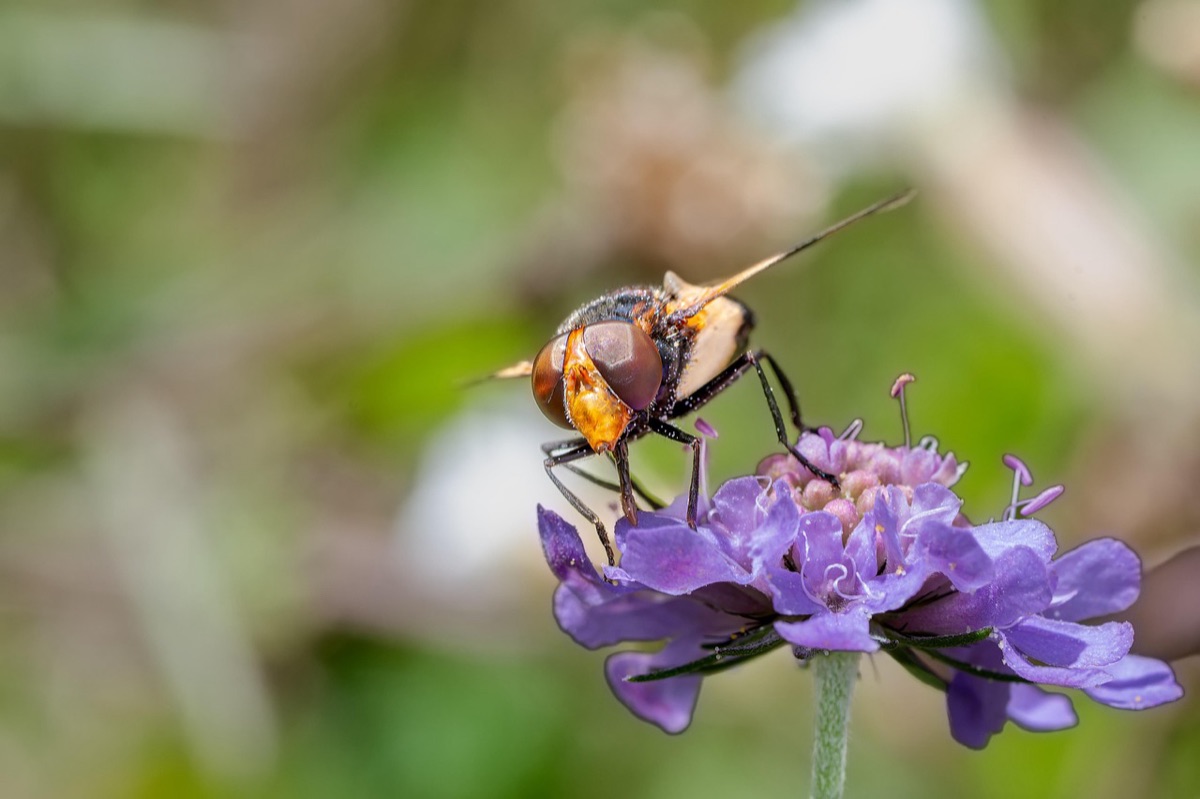
What specific nutrients does my flower group need? On a Saturday morning in early May 2025, I stood in my backyard looking at a patch of thirsty petunias compared to the heavy, dark green leaves of my rose bushes. The petunias looked hungry for energy to push out new buds, while the roses seemed to be focused on structural strength.
This distinction is the key to successful gardening.
Different flower groups have vastly different nutritional requirements based on how they grow. For instance, heavy bloomers like Roses or Dahlias require a significant shift in nutrients as they move from the vegetative stage (growing leaves and stems) to the reproductive stage (forming buds).
During bud formation, you typically need to decrease Nitrogen and increase Phosphorus (P) and Potassium (K) to prevent the plant from becoming a "foliage monster" that never actually flowers.
In 2025, I noticed that if I kept the Nitrogen levels at 30% of the mix during bloom time, the roses stayed bushy but never opened.
Annuals, such as Petunias or Geraniums, operate on a much faster timeline. Because they complete their life cycle in a single season, they deplete soil nutrients rapidly. In a typical 12-inch nursery pot, these plants can exhaust available Nitrogen in as little as 14 days.
They often require consistent, lighter feeding schedules—frequently through water-soluble fertilizers—to sustain their constant blooming cycle.
In contrast, some plants are grown primarily for their structural foliage before they ever flower; these require a more balanced NPK ratio to build the "engine" that supports the eventual bloom.
The medium matters just as much as the plant. In a raised garden bed with rich organic matter, you might only need to feed a few times a year. In a container or potting mix, nutrients leach out every time you water, requiring more frequent, diluted applications to prevent stunted growth.
The Art of Application: When and How to Feed?
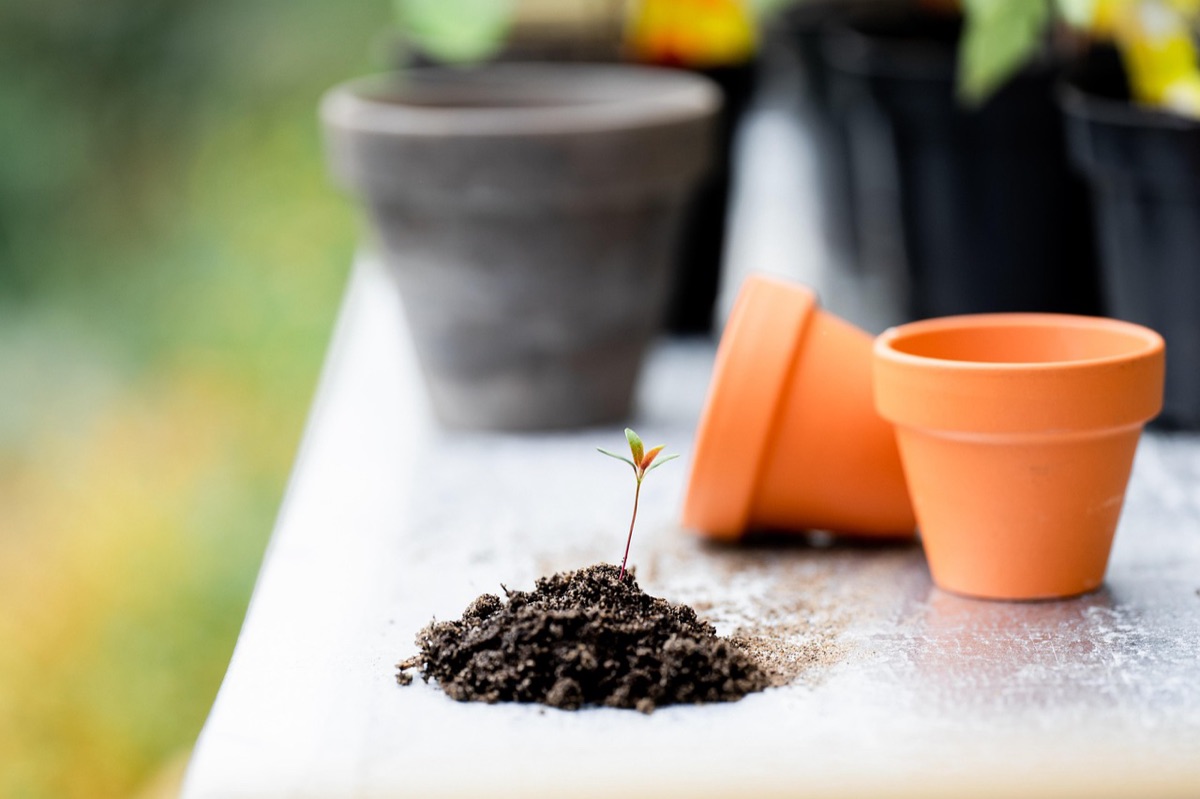
I remember the first time I applied a heavy granular fertilizer to a young seedling in the spring of 2024; within days, the edges of the leaves turned brown and curled. I had tried to feed the plant's potential rather than its current capacity.
Mastering the timing of fertilization is the difference between a professional landscape and a struggling patch of weeds.
You should map out your feeding windows based on the plant's growth stages: the first feeding upon emergence to kickstart growth, a mid-season booster to sustain peak bloom, and a pre-dormancy preparation to build root strength for the winter.
In a typical 2025 growing season, this might mean four distinct feeding windows.
There are two primary ways to deliver nutrients: liquid and granular. Liquid fertilizers provide an immediate "hit" of nutrition that is perfect for annuals or potted plants that need a quick boost. In a 5-gallon bucket of water, a diluted liquid feed can refresh a thirsty plant in minutes.
Granular fertilizers are typically slow-release, providing a steady stream of food over weeks or months, making them ideal for perennials and established garden beds.
When using granules, it is vital to work them into the top 1 inch of soil or the root zone to prevent them from sitting on the surface and causing burn.
Always remember that "less is often more." Over-fertilizing can lead to salt buildup in the soil, which can kill delicate root systems. Furthermore, fertilization should always be paired with proper watering.
Nutrients must be dissolved in moisture to be taken up by the roots; applying fertilizer to bone-dry soil can lead to chemical burns on the roots. In my own experience, if I skip the watering step on a 90-degree July afternoon, the results are catastrophic.
Which fertilizer type is the right prescription for my plants? Sitting on my garden bench in late June with a bag of organic compost in one hand and a synthetic bloom booster in the other, I realized that no single bag could solve every problem in my yard.
To achieve professional results, you must match the fertilizer type to the plant's specific drainage and growth habits. Heavy feeders that require constant moisture (like certain tropicals) often do well with slow-release organic matter that builds soil structure.
In contrast, plants in high-drainage areas might need more frequent, diluted liquid feeds to ensure they don't go hungry between applications.
| Plant Category | Primary Goal | Recommended NPK Focus | Best Delivery Method |
|---|---|---|---|
| Heavy Bloomers (Roses/Dahlias) | Massive flower production | High Phosphorus (P) & Potassium (K) | Granular (Slow-release) |
| Annuals (Petunias/Marigolds) | Constant new growth | Balanced or slightly higher Nitrogen (N) | Liquid (Frequent) |
| Foliage-Focused (Hostas/Peonies) | Strong structure/leaves | Higher Nitrogen (N) | Compost/Balanced Granular |
| Bulbs/Ephemerals | Energy storage in roots | High Potassium (K) | Bulb-specific feeds |
Beyond the basic NPK, keep an eye on micronutrients. Even with a perfect balance of Nitrogen, Phosphorus, and Potassium, a lack of Magnesium or Iron can cause spectacular blooms to fail. In 2025, I saw a patch of lilies fail to color simply because the soil pH prevented iron uptake.
A dedicated "Bloom Booster" fertilizer is often formulated with higher phosphorus to push the plant into its reproductive phase. However, the best defense is soil health integration.
Amending your soil with organic matter *before* the planting season reduces the need for heavy chemical intervention mid-season and creates a reservoir of nutrients.
Troubleshooting: Signs of Nutrient Imbalance (Visual Diagnosis)
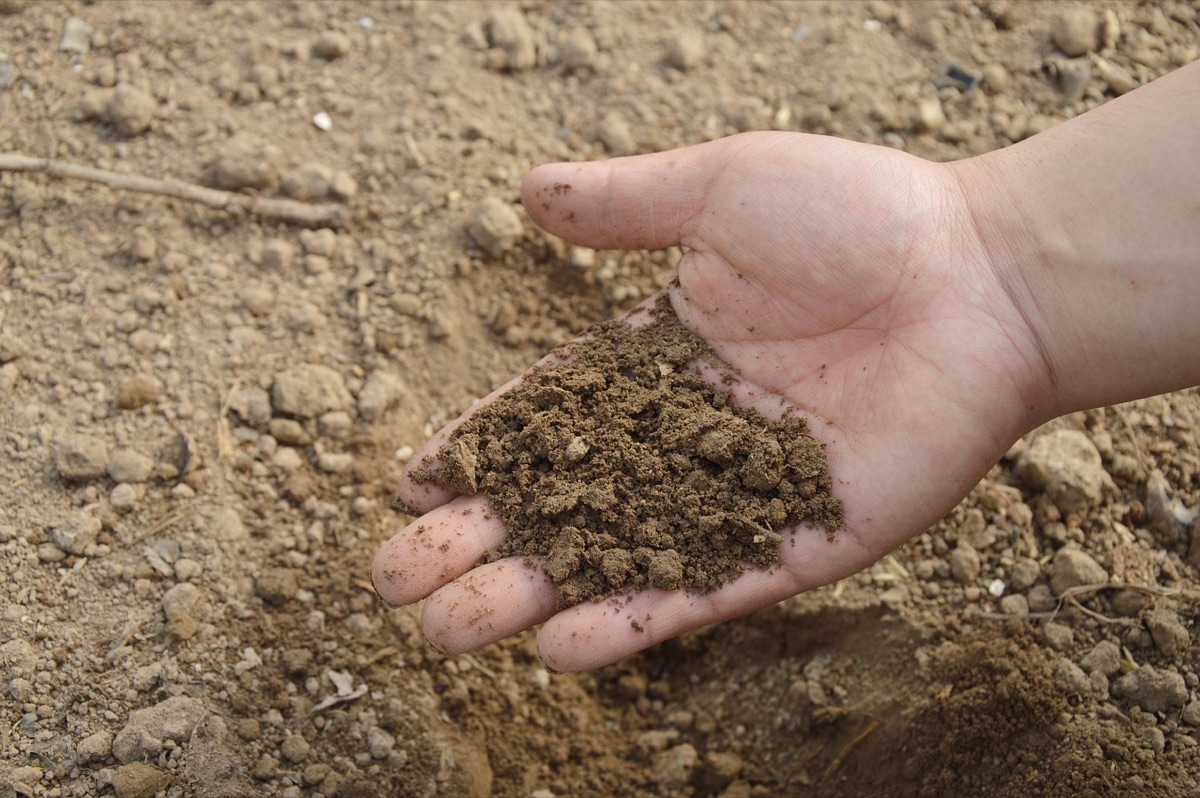
Walking through the garden at dusk in late August, I noticed the pale, yellowish leaves on my hydrangeas. It looked like they were fading, but it wasn't a lack of water—it was a lack of food.
Visual cues are your plant's way of communicating their needs. If you see yellowing leaves (chlorosis), it often indicates a Nitrogen deficiency or an iron deficiency. If the plant is growing rapidly but producing no flowers, it likely has too much Nitrogen and not enough Phosphorus.
* Nitrogen Deficiency: Overall yellowing of older leaves and stunted growth. * Phosphorus Deficiency: Dark green or purplish leaves and poor flower development. * Potassium Deficiency: Yellowing or "scorching" on the edges of leaves. * Over-Fertilization: This is often seen as "fertilizer burn," where leaf tips turn brown and crispy due to salt buildup.
When troubleshooting, always check your watering habits first. Sometimes, what looks like a nutrient deficiency is actually a pH issue—if the soil pH is too high or too low, the plant cannot "unlock" the nutrients that are already there.
In 2025, I learned that even with perfect fertilizer, a pH of 7.5 can lock out essential micronutrients.
Summary of Fertilizer Strategies
To keep your garden thriving, follow this simplified hierarchy of care:
- Assess the Stage: Is the plant growing leaves (needs N) or making flowers (needs P/K)?
- Check the Medium: Is it in a pot (needs frequent liquid feed) or in the ground (needs slow-release)?
- Apply with Moisture: Never fertilize in bone-dry soil; water first to protect the roots.
- Observe the Response: Check leaf color and bloom count two weeks after feeding to adjust your dosage.


Comments 0