Pests guide Preventing mold on flowers for garden health
"Over 90% of plants are dependent on Mycorrhizal symbiosis between plants and fungi and this process also enhances carbon capture from the atmosphere, helping to alleviate climate change."
Managing garden health requires understanding the delicate balance between beneficial fungi and harmful pests. This guide provides flower mold prevention tips and grass mold control guide strategies to keep your greenery thriving.
We will explore how to protect buds from insects, manage fungal symbiosis, and recognize disease symptoms.
How can you manage pests to prevent flower mold?
At dawn, I kneel in the damp garden to carefully remove pests from the rosebuds to prevent mold.
A gardener leans over a rose bush, inspecting the tender new growth for tiny intruders. Identifying pests early is the first step in preventing secondary issues like mold or leaf decay.
Aphids, such as *Macrosiphum rosae*, are soft-bodied insects measuring 1–2 mm long and are often found on new shoots and buds. These pests can weaken plant tissue, making them more susceptible to environmental stress. Preventing mold on flowers often starts with managing these small insects.
Caterpillars can also damage delicate structures, with green varieties reaching up to 15 mm in length. These pests are often found boring into buds or living within curled leaves. Stopping fungus on plants requires managing these physical damages to prevent moisture traps.
- Inspect plants regularly for early signs of infestation.
- Remove affected foliage to stop the spread of spores.
- Apply organic treatments to target specific pests.
What are the signs of fungal damage on leaves? Preventing mold on flowers
A hand brushes against a leaf, feeling the texture of irregular holes and discoloration. Recognizing these shapes helps a gardener decide whether to prune or treat the area.
Some insects are 3 mm long and chew holes of irregular shapes in young leaves and buds. These openings can collect water, which may lead to rot or fungal growth. Healthy flower lawn care involves keeping foliage intact to prevent such issues.
In some cases, spots may appear on the foliage, reaching as much as 12 mm across. These spots are generally circular and have an irregular edge, often accompanied by a yellow halo. Identifying these patterns helps distinguish between insect damage and fungal infection.
I find that the second sign is often the most visible.
Is all fungus harmful to my garden?
A shovel turns the soil, revealing a network of fine white threads connecting roots to the earth. Understanding the role of fungi in the ecosystem is vital for long-term garden health.
It is important to note that over 90% of plants are dependent on Mycorrhizal symbiosis between plants and fungi. This symbiotic process also enhances carbon capture from the atmosphere, helping to alleviate climate change. This relationship shows that not all fungi are destructive.
Lichenization serves as a common mode of nutrition for fungi. Around 27% of known fungi—more than 19,400 species—are lichenized. This diversity highlights the complexity of fungal life in natural habitats.
How do you identify different fungal species?
A magnifying glass hovers over a specimen, revealing intricate details of a newly discovered species. The vastness of the fungal kingdom makes identification a continuous challenge for scientists.
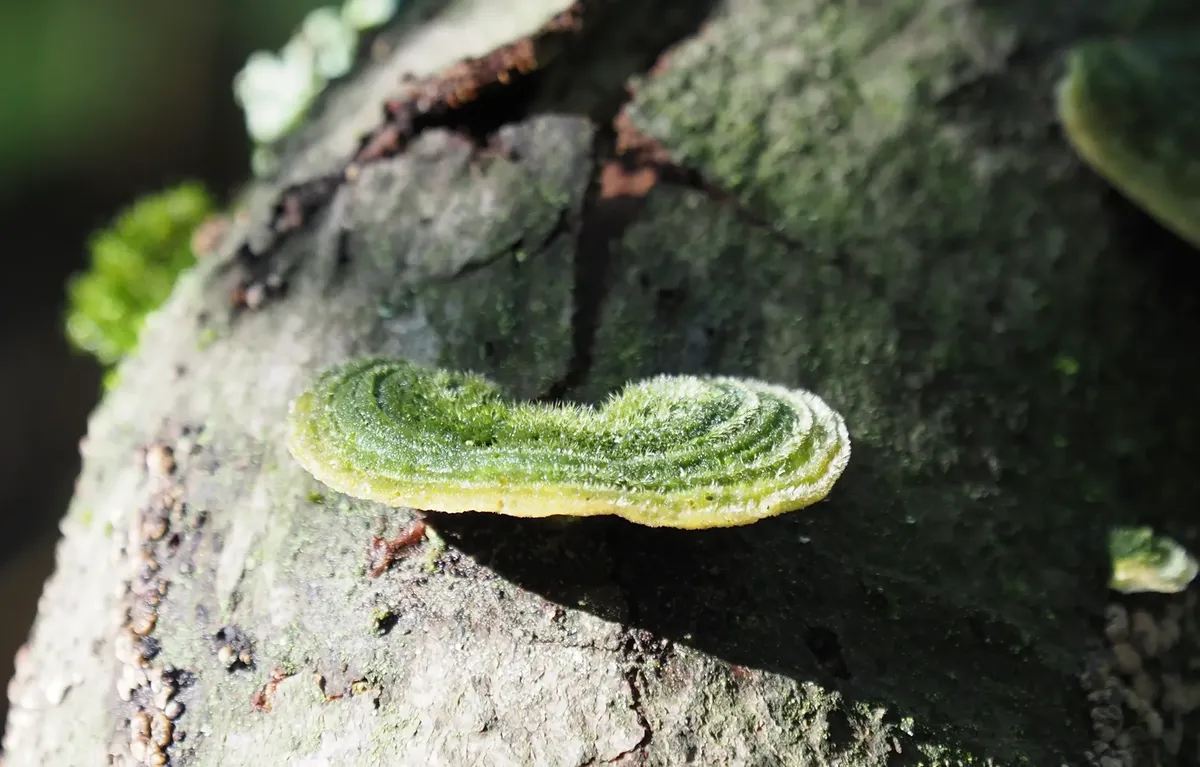
In the year 2019, 1,882 new species of fungi were described. Despite these discoveries, it was estimated that more than 90% of fungi remain unknown. This vastness means that many garden organisms remain unclassified.
The sheer scale of fungal diversity means that many interactions remain a mystery. Understanding these biological relationships is key to effective garden management.
What are the steps to protect buds and foliage?
A gardener carefully prunes a branch, removing damaged parts to protect the rest of the plant. Following a systematic approach ensures that the most vulnerable parts of the plant remain healthy.
- Inspect new growth and buds regularly to find soft-bodied insects or caterpillars. 2. Remove leaves with irregular holes or large circular spots to prevent spread. 3. Manage moisture levels to ensure that damaged tissue does not become a breeding ground for pathogens.
I carefully examined my rose buds for any signs of curling leaves or small insects before deciding on a pruning strategy.
If the plant is already heavily infested with pests that have caused significant structural damage, simple manual removal may not be sufficient.
How do different insects affect plant health?
A scientist compares the size of a beetle to a caterpillar under a bright light. Different biological threats require different management strategies to maintain a healthy garden.
The mature female of certain species is oval in shape, reddish brown with black hairs, and 5 mm long. This specific morphology helps in distinguishing between different types of pests.
| Pest Feature | Size/Description |
|---|---|
| Aphids | 1–2 mm long |
| Caterpillars | Up to 15 mm long |
Comparing these sizes helps in choosing the right tools for inspection.
The same subject is also called Stop fungus on plants.
This part also covers Best ways to stop flower mold.
This part also covers How to prevent lawn fungus.
This part also covers Tips for mold free garden.
Best ways to stop flower mold
Related
- Watering Guide: 5 cm Balancing water for flowers and grass
- Beginner flower care tips: Tips for new plant owners success
When should a gardener intervene with fungal issues? Intervention is necessary when fungal signs move beyond minor discoloration to actively impede plant function. A gardener should treat the area when spots become large enough to collect water or when the irregular holes indicate tissue breakdown. Recognizing these conditions allows for timely application of preventative measures against further damage to the plants.
How does fungal diversity relate to garden management? The wide array of fungi demonstrates that not every fungal presence signals a threat to the plants. Beneficial fungi participate in the mycorrhizal symbiosis, which aids in carbon capture. Conversely, pathogenic fungi create visible symptoms like leaf spots or tissue rot, demanding specific management techniques.
Understanding the role of fungi in the ecosystem is vital for long-term garden health, as the relationship between plants and fungi is complex. This complexity means that a single observation of fungal growth may require careful differentiation between a helpful symbiont and a harmful agent.
When inspecting new growth, a gardener should compare the observed damage against known patterns of insect feeding versus fungal infection. This comparison helps determine if the primary issue is physical damage from pests or a secondary infection encouraged by moisture retention.



Comments 0