Choosing trees for gardens: A guide to yard growth
"A garden is not just a collection of plants, but a living composition of space and growth."
Choosing trees for gardens requires balancing aesthetic vision with the biological reality of your specific yard. You must evaluate sunlight exposure, soil quality, and mature size to ensure long-term harmony.
This guide covers essential selection criteria, growth considerations, and placement strategies to help you pick the right specimens for your landscape.
How to begin choosing trees for gardens?

Walking through a quiet backyard with a notebook in hand, I often find myself tracing the shadows cast by existing structures. To start the process of choosing trees for gardens, you must first analyze your site's unique environmental constraints.
The first step involves assessing your hardiness zone and local climate to ensure the species can survive seasonal shifts. You should also check the soil type—whether it is sandy, clay-heavy, or loamy—to match the tree's drainage needs.
Finally, observe the daily sunlight patterns to determine if a spot receives full sun or deep shade.
- Assess your available space and sunlight exposure.
- Identify the hardiness zone of your local area.
- Determine the primary purpose of the tree, such as shade or aesthetics.
What are the key growth considerations?
I remember standing in a small courtyard, looking at a sapling that seemed perfect until I realized how much space it would eventually occupy. Understanding tree growth considerations prevents future damage to structures and walkways.
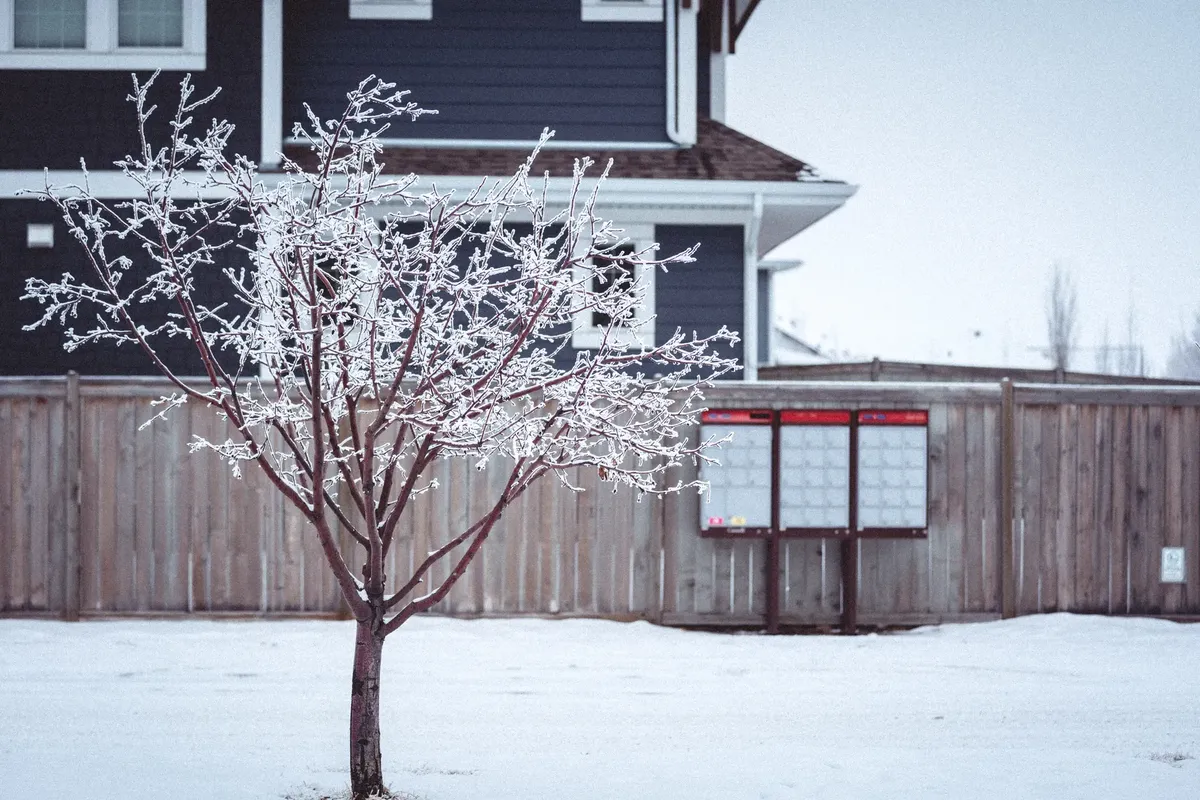
When you evaluate potential trees, you must consider the mature canopy spread and root depth. Some species expand horizontally, potentially lifting sidewalks, while others grow vertically with minimal footprint.
Selecting a tree based on its current size alone is a common mistake that leads to overcrowding.
| Feature | Small Space Trees | Large Landscape Trees |
|---|---|---|
| Canopy Spread | Limited | Extensive |
| Root System | Often shallow | Often deep |
In this sequence, the second step is the most critical for long-term success.
How to manage tree placement in landscape?
Visualizing the layout on a blueprint helps prevent a cluttered appearance once the foliage thicks. Effective tree placement in landscape creates focal points while maintaining privacy and functional walkways.
- Identify the primary purpose of the tree, such as shade, privacy, or ornamental beauty. 2. Maintain adequate distance from house foundations, septic lines, and underground utilities. 3. Use layering techniques by planting taller trees in the background and smaller specimens in the foreground.

I once spent an afternoon measuring the distance between a fence and a new planting to ensure there was enough room for branch expansion.
Which tree types suit different garden styles?
A modern minimalist yard requires different specimens than a lush, cottage-style garden. Matching trees to garden style ensures the foliage and form complement your overall design.
For a structured look, consider evergreen species with consistent shapes that provide year-round greenery. In more naturalistic settings, deciduous trees that change with the seasons can add dynamic movement to the yard.
Always ensure the texture of the leaves and the bark of the trees harmonize with your existing hardscapes.
What are the common mistakes in tree selection?
A shovel hits a thick root unexpectedly during a weekend planting session, reminding me of the importance of foresight. Many gardeners overlook the long-term implications of their choices.
One major error is ignoring the mature height of a tree, which can lead to limbs interfering with power lines or rooflines. Another mistake is planting invasive species that may take over the entire garden ecosystem.
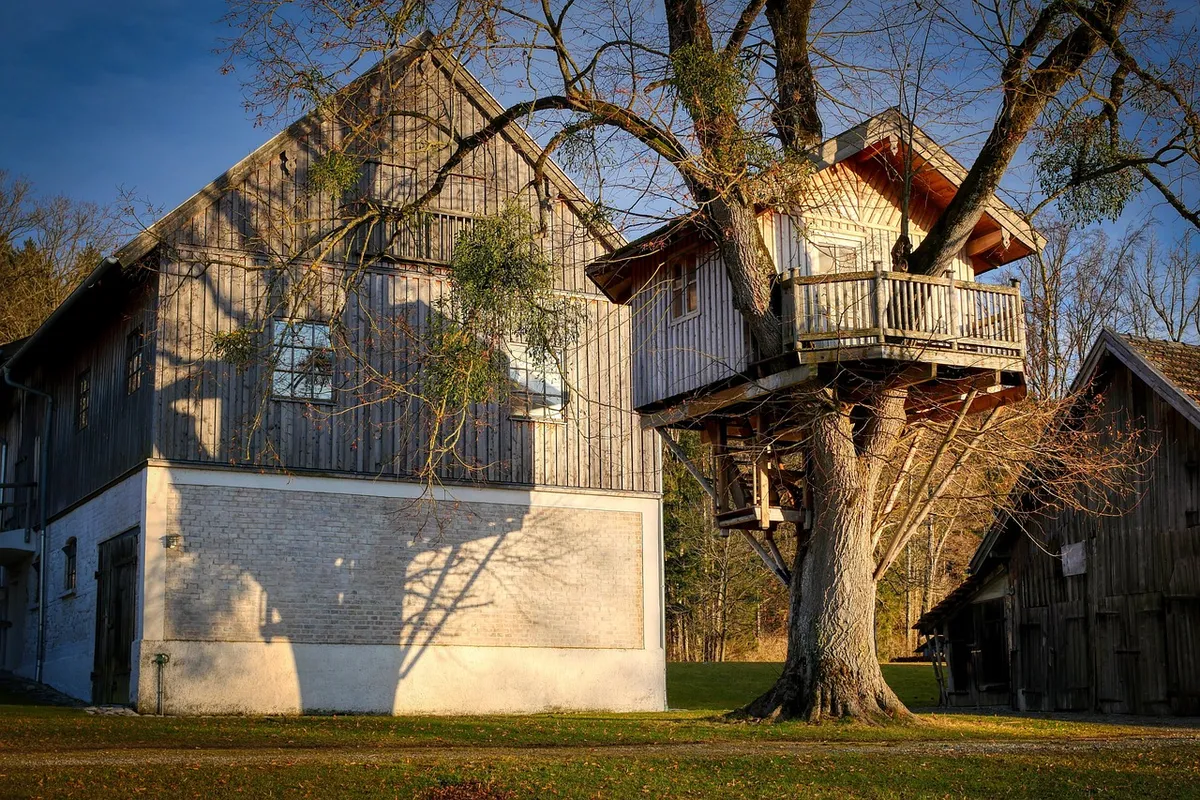
Always verify the growth habits of a species before it becomes a permanent fixture in your yard.
The same subject is also called Best trees for garden design.
The same subject is also called Garden tree selection guide.
The same subject is also called How to pick garden trees.
This part also covers Tree growth considerations for yards.
This part also covers Proper tree care and pruning.
Tree growth considerations for yards
Related
- Potting soil guide: Choosing plants for pots success
- Why Choosing indoor trees need stable thermal environment
What conditions affect a tree's ability to thrive in a garden? 1. The soil quality dictates how well water and nutrients are retained by the chosen specimens. 2. Sunlight exposure determines the necessary light level for the tree's photosynthesis. 3. The hardiness zone dictates the tree's tolerance for local temperature extremes.
Poor soil drainage, for instance, can cause root rot in certain species, even if the tree is otherwise suitable for the garden. A mismatch between the tree's light needs and the actual sunlight patterns will result in stunted growth.
These environmental factors must align with the tree's inherent biological requirements for the garden to flourish.
How does tree placement influence the overall garden aesthetic? Effective tree placement in landscape dictates how the visual weight of the composition is distributed across the garden space. Positioning trees strategically allows the designer to guide the viewer's eye through the living composition of space and growth. This thoughtful arrangement ensures that the structural elements of the garden support the plant life rather than competing with it.
When considering the visual impact, the height and spread of the chosen trees must relate to the surrounding architectural features. Taller trees can serve as dramatic backdrops, while smaller specimens can frame views within the garden.
This layering technique enhances the depth of the entire collection.
What are the practical cautions when selecting trees for a garden? Gardeners must exercise caution regarding the long-term maintenance demands associated with certain species. Some trees require intensive pruning to maintain a desired shape, adding ongoing labor to the garden upkeep. Furthermore, the initial appearance of a tree does not always reflect its mature state, necessitating careful foresight.
It is crucial to remember that the initial selection process is only the beginning of managing the garden. Monitoring the tree's response to the local climate and soil conditions over time is necessary to prevent unforeseen issues within the living composition.
When should one revisit the initial site analysis? Revisiting the initial site analysis becomes necessary when the garden undergoes changes, such as adding new structures or altering drainage patterns. If the environmental constraints of the yard shift, the suitability of the existing tree collection must be re-evaluated. This periodic check ensures the long-term harmony of the garden.
Changes in the surrounding landscape can affect light availability, which directly impacts the health of the trees. Therefore, a reassessment of sunlight exposure is prudent if adjacent buildings are altered or removed from the garden area.



Comments 0