Garden Pests: Eco-Friendly Solutions for a Thriving Yard
"A healthy garden is not a battleground where you fight to eradicate every bug, but a delicate balance where you invite the right guests to dinner."
Managing pests without reaching for a jug of synthetic poison is about shifting your perspective from "warfare" to "ecosystem management." By focusing on soil health, plant diversity, and natural predators, you can maintain a thriving yard that remains safe for your family and local pollinators.
* Prevention is your best defense: Healthy soil and resilient plants are less attractive to pests. * Embrace the "Good Guys": Beneficial insects like ladybugs and lacewings do the heavy lifting for you. * Integrated Management: Use physical barriers and manual removal before turning to organic sprays. * Watch the timing: Monitoring your plants weekly allows you to catch outbreaks before they become disasters.
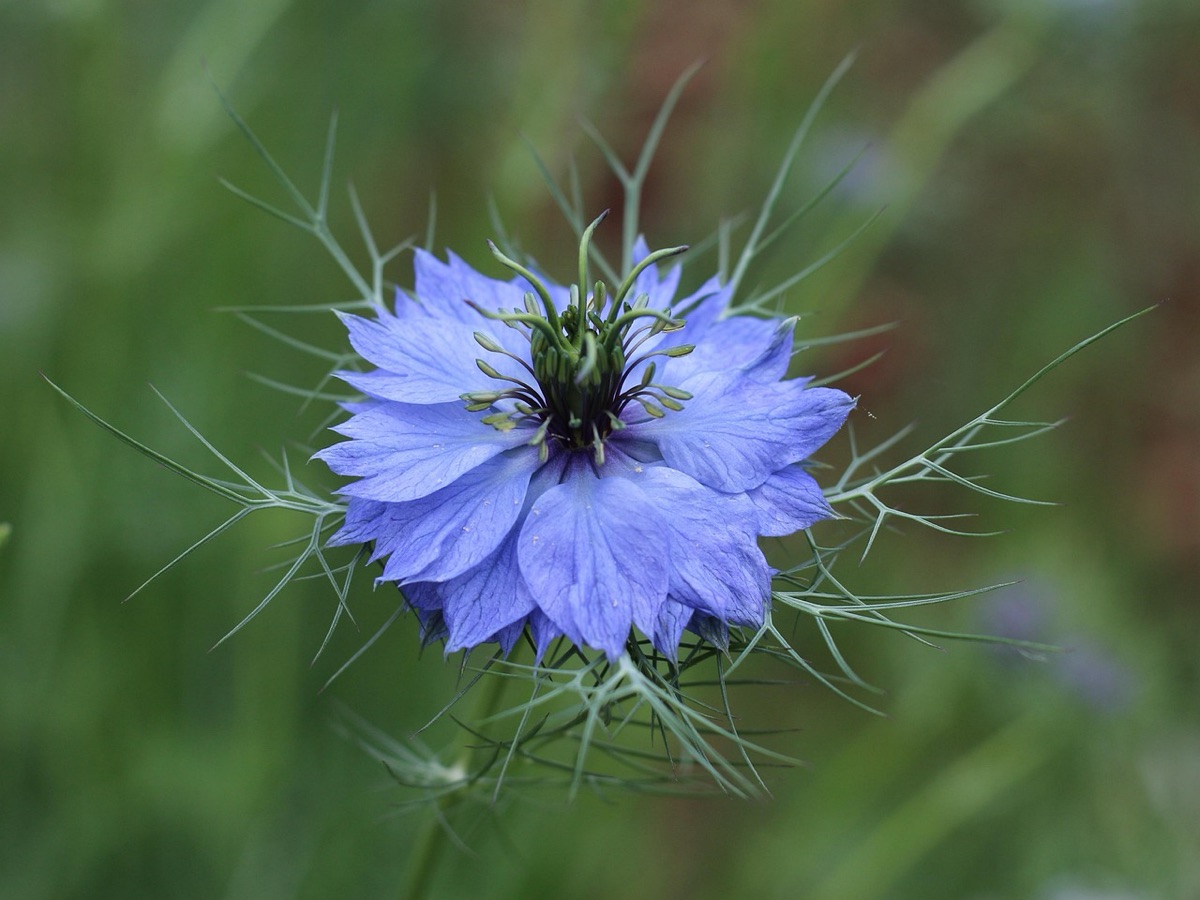
Why Chemical Sprays Are Often the Last Resort
The sun beats down on a rose bush in late June, and as you lean in to smell the blooms, you notice a cluster of tiny, translucent insects huddled on a new bud. According to the Rodale Institute, a price premium of only 10% is required to achieve parity with conventional farming.
Your first instinct might be to grab a bottle of heavy-duty insecticide from the garage, but that split-second decision can change your garden's chemistry for years.
When you spray broad-spectrum synthetic chemicals, you aren't just targeting the pests; you are essentially carpet-bombing your own backyard.
These chemicals often kill the very organisms you need to stay own own—the pollinators that fruit your vegetables and the predatory insects that keep pest populations in check.
Furthermore, heavy chemical use can disrupt the delicate soil microbiome, stripping away the microscopic life that helps your plants absorb nutrients.
Instead of aiming for total eradication, the goal of an eco-friendly gardener is to build resilience. A garden that is chemically dependent is often a fragile one.
By moving away from "scorched earth" tactics, you allow the ecosystem to stabilize, creating a self-regulating environment where pests are kept at manageable levels by natural forces.
But what happens when the pests actually arrive?
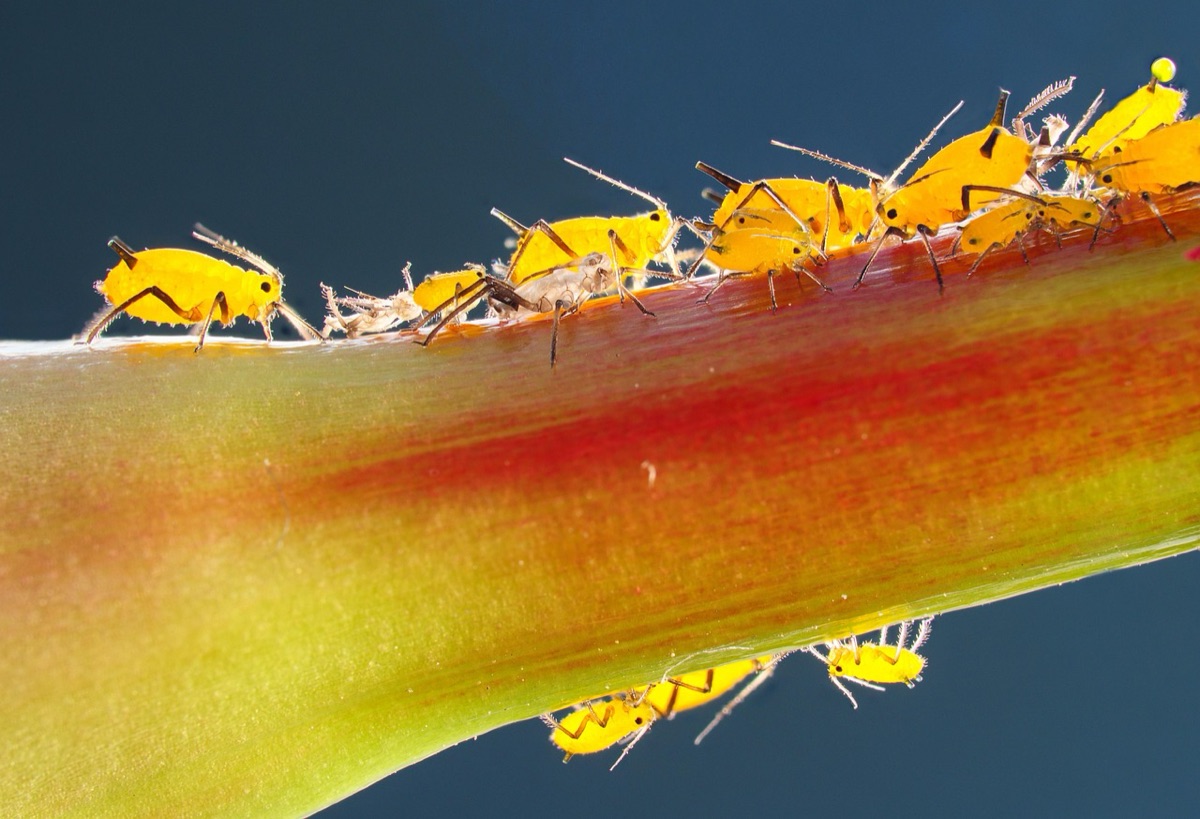
How can I stop pests before they take hold? Walking through a vegetable patch at 7:00 AM, the morning dew still clings to the leaves, and you notice a slight discoloration on a tomato leaf.
This routine check is the most critical tool in your gardening kit, acting as an early warning system that prevents a minor nuisance from becoming a total crop loss.
The first step in prevention is garden hygiene. Pruning dead or diseased branches prevents pests from finding cozy, dark hiding spots to lay eggs.
Similarly, ensuring proper airflow between plants prevents the humidity-loving pests and fungi from gaining a foothold.
Plant selection is your second line of defense. Using companion planting—the practice of growing specific plants together—can act as a natural repellent.
For example, planting strong-smelling herbs like basil or marigolds near your vegetables can confuse pests that rely on scent to find their hosts.
Finally, never underestimate the power of healthy soil. Plants grown in nutrient-rich, biologically active soil are significantly more resistant to insect attacks.
A stressed plant, often caused by poor drainage or lack of organic matter, emits chemical signals that actually attract pests.
If you build a strong foundation, the plants will fight their own battles. But sometimes, the battle moves from the leaves to the residents of the garden itself.
How can I use natural allies to control pests? A ladybug lands on a leaf, its bright red shell contrasting against the deep green, and begins systematically devouring a cluster of tiny aphids. This is biological control in action—nature's own version of pest management.
The most effective way to manage pests is to recruit their natural enemies. In many regions, the introduction of specific predators has proven incredibly successful.
For instance, historical data shows that 20 years after the introduction of specific biological controls in certain regions, populations of invasive pests like the alfalfa weevil remained 75 percent down compared to untreated areas.
This demonstrates that once a biological balance is struck, it can be self-sustaining.
To encourage these allies, you must provide them with a habitat. This means:
- Planting "Insectary" Plants: Grow flowers like dill,s fennel, and alyssum to attract parasitic wasps and hoverflies.
- Avoiding Broad Sprays: If you kill the predators, you'll be left with nothing but the pests.
- Targeted Introduction: In specific cases, specialized biological controls like certain beetles or moths can be used to manage invasive species in warm climates.
By fostering a diverse insect population, you are essentially hiring a free, 24-hour security team for your garden. However, sometimes the "security team" needs a little manual help.
DIY Remedies: When You Need to Intervene
You stand over a tray of young seedlings, noticing a few tiny white specks moving across the stems. You need to act, but you don't want to coat your food-growing plants in toxic residue.
When an outbreak occurs, start with the least invasive methods. Physical removal—such as picking slugs off leaves by hand or using a sharp blast of water from a garden hose—is often enough to manage small numbers.
If you must use a spray, reach for a gentle, homemade solution.
The Basic Organic Soap Spray Recipe: * Ingredients: 1 tablespoon of pure liquid castile soap (ensure it has no degreasers or perfumes) per 1 quart of water. * Application: Spray directly on the pests in the evening to avoid leaf burn from the sun.
* Target: This is effective for soft-bodied insects like aphids or spider mites.
Comparison of Intervention Methods
| Method | Best For | Risk Level |
|---|---|---|
| Manual Removal | Large pests (slugs, beetles) | Zero |
| Water Blast | Aphids, spider mites | Very Low |
| Soap/Oil Sprays | Soft-bodied insects | Low (if diluted) |
| Chemical Sprays | Severe, unavoidable outbreaks | High |
Always remember that timing is everything. Never apply organic sprays as a preventative measure; only use them when you actually see the pests.
This prevents unnecessary stress on your plants and protects the beneficial insects that might still be wandering through. But for the seasoned grower, the real work often happens beneath the surface.

Advanced Tactics: Moving Beyond Surface Spraying
As a gardener matures, they realize that the battle against pests often starts underground or deep within the plant's physiology.
A late-night walk through the garden reveals that while the leaves look fine, the roots of a prize rose bush are being eaten by unseen invaders.
According to the USDA, producers and handlers can have up to 75% of their organic certification costs reimbursed through the USDA Organic Certification Cost-Share Programs.
Advanced Integrated Pest Management (IPM) looks at the whole organism. Cultural controls—adjusting your watering schedule or fertilization—can eliminate the environmental conditions that pests love.
For example, over-fertilizing with nitrogen often leads to lush, succulent growth that is a magnet for aphids.
Physical barriers are another advanced layer. Using fine mesh netting or floating row covers can protect vulnerable seedlings from being eaten before they even establish themselves.
This is a "mechanical" own-the-space strategy that prevents the battle from ever starting.
Addressing soil-borne issues is equally vital. If your plants are wilting despite regular watering, the problem might be soil-dwelling pests or fungal pathogens.
Using organic soil amendments or specialized biologicals (like beneficial nematodes) can address these hidden threats without disturbing the surface.
The ultimate goal of these advanced tactics is to move toward a state of "ecological parity."
Just as organic certification programs often provide cost-sharing to help farmers transition, the "investment" you make in your garden's health pays dividends in reduced labor and increased yields over time.
How to Build Your Resilience Checklist
When I first started growing my own vegetables in 2022, I realized that a sudden swarm of pests was usually a sign that I had missed something fundamental in my garden setup. I learned that you cannot fix a broken ecosystem with a single spray.
To avoid the cycle of constant intervention, follow this routine:
- Weekly Inspection: Every Sunday morning, check the undersides of leaves for eggs or early signs of infestation.
- 2.s Soil Check: Every two weeks, ensure your soil moisture is consistent; stressed plants are the first targets for pests.
- Diversity Check: Every spring, ensure you have at least three different types of flowering "insectary" plants to support pollinators.
- Cleanup: At the end of every growing season, remove all plant debris to prevent pests from overwintering in the soil.



Comments 0