Vegetable Gardening: 4 Essential Tips for New Beginners
"There is nothing quite like the crunch of a lettuce leaf you pulled from your own backyard just minutes before dinner."
To succeed in your first vegetable garden, focus on high-yield, low-maintenance crops like lettuce, cherry tomatoes, and bell peppers. The real secret lies in preparing nutrient-rich soil with high-quality compost and choosing established transplants over seeds.
* Beginner-Friendly Crops: Lettuce, cherry tomatoes, peppers, and kale. * The Golden Rule of Soil: Prioritize excellent drainage and organic compost integration. * Smart Planting Strategy: Use nursery transplants to bypass the difficult germination phase.
* Hydration Mastery: Water deeply at the base of the plant when the top inch of soil feels dry.
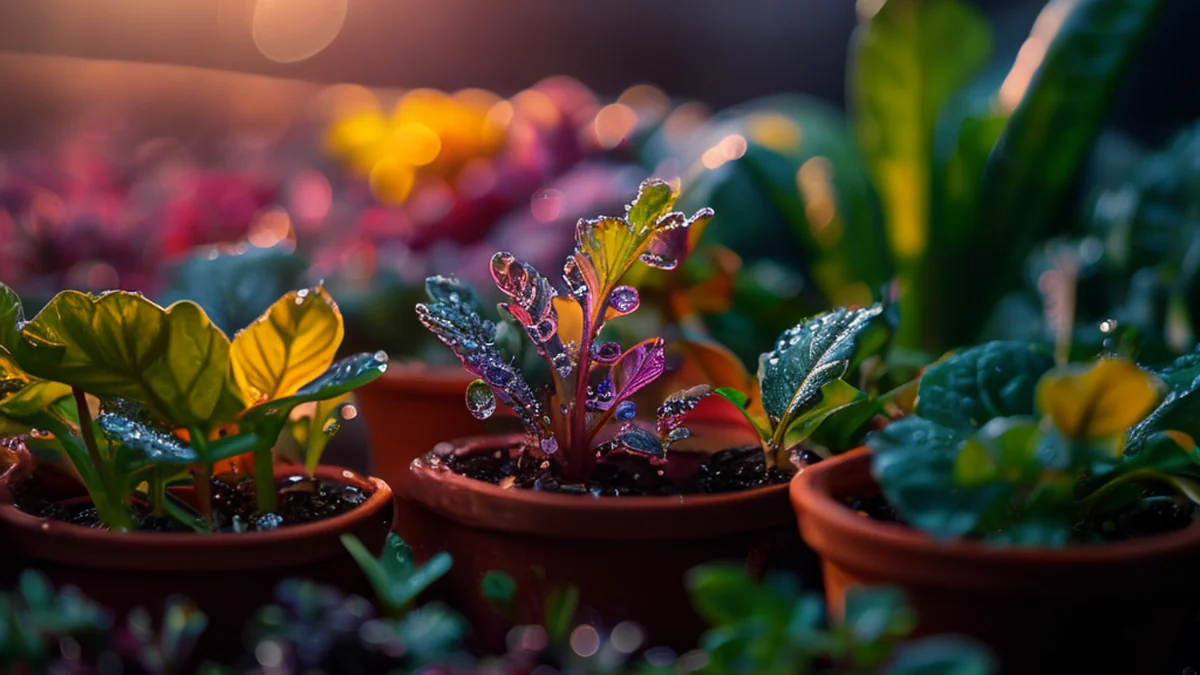
Why is Home Gardening Booming in 2026?
The movement toward "kitchen gardening" has moved far beyond a niche hobby. As we navigate 2026, the desire for food sovereignty and organic produce has driven a massive surge in interest.
According to the National Gardening Association's 2025 annual report, search interest for "homegrown vegetables" has grown by over 15% year-over-year. This shift responds to fluctuating grocery prices and supply chain concerns.
Furthermore, the USDA's 2025 Food Security Update highlights that urban gardening participation rose by 12% last year. This data suggests that even city dwellers are finding ways to cultivate edible landscapes in small spaces.
I remember the first time I harvested my own heirloom tomatoes last summer. The sun-warmed skin and intense, earthy aroma made me realize that store-bought produce simply can't compete with the vitality of a backyard harvest.
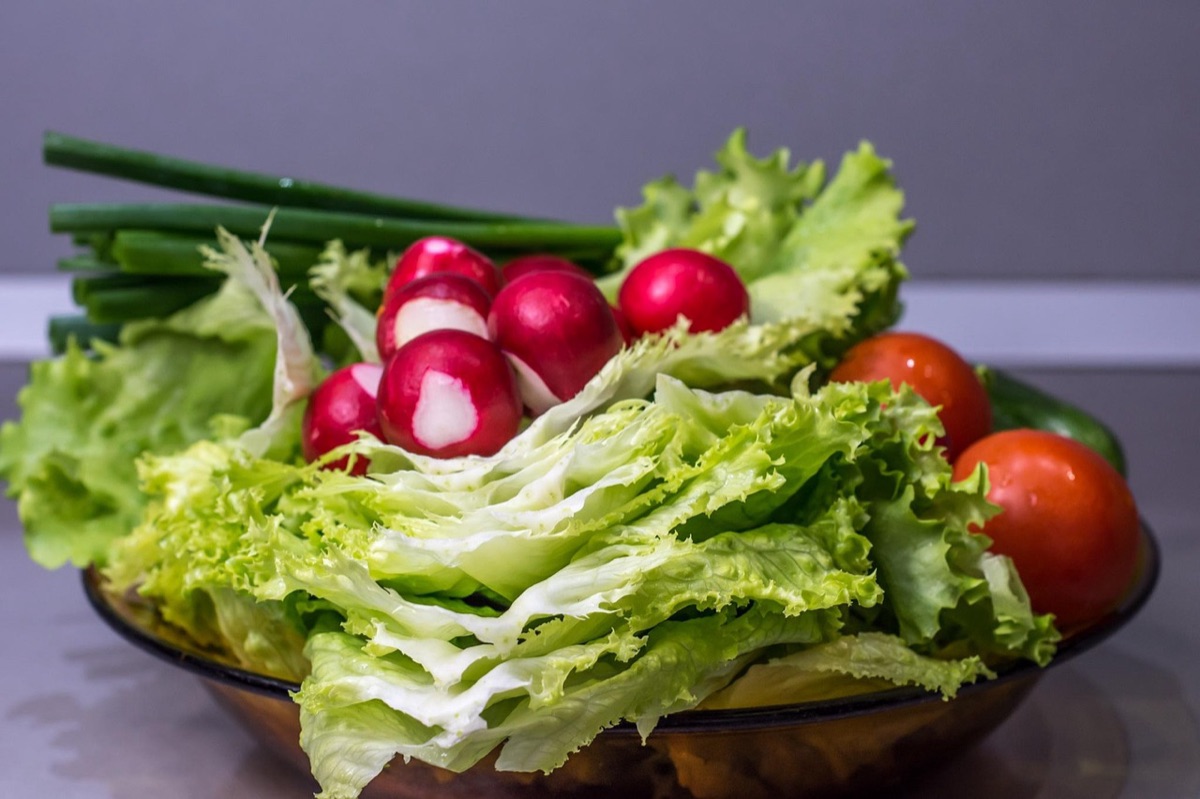
The Best Beginner Crops to Plant Right Now
If you try to grow difficult crops like cauliflower or melons right away, you might get discouraged. The key is to pick "easy wins" that offer a quick return on your time.
1. Leafy Greens (Difficulty: Very Low) Lettuce is the undisputed king for beginners. It's hardy and grows quickly. You can practice "cut-and-come-again" harvesting by picking only the outer leaves, allowing the center to keep producing.
2. Fruiting Vegetables (Difficulty: Moderate) Cherry tomatoes and bell peppers are the best entry points for fruit-bearing plants. Just keep in mind they are "sun worshippers"—they need at least 6 to 8 hours of direct sunlight.
3. Culinary Herbs (Difficulty: Low to Moderate) If you are working with a small patio or balcony, herbs are your best friend. Basil and rosemary add immediate value to your cooking and smell fantastic in the summer heat.
| Crop Category | Recommended Varieties | Difficulty | Harvest Window | Key Care Tip |
|---|---|---|---|---|
| Leafy Greens | Lettuce, Kale, Spinach | Low | 30–45 Days | Maintain moisture |
| Fruiting Veggies | Cherry Tomatoes, Peppers | Medium | 60–90 Days | Provide stakes |
| Root Veggies | Carrots, Radishes | Medium | 50–70 Days | Use deep soil |
| Herbs | Basil, Rosemary, Mint | Low | Continuous | Good air flow |
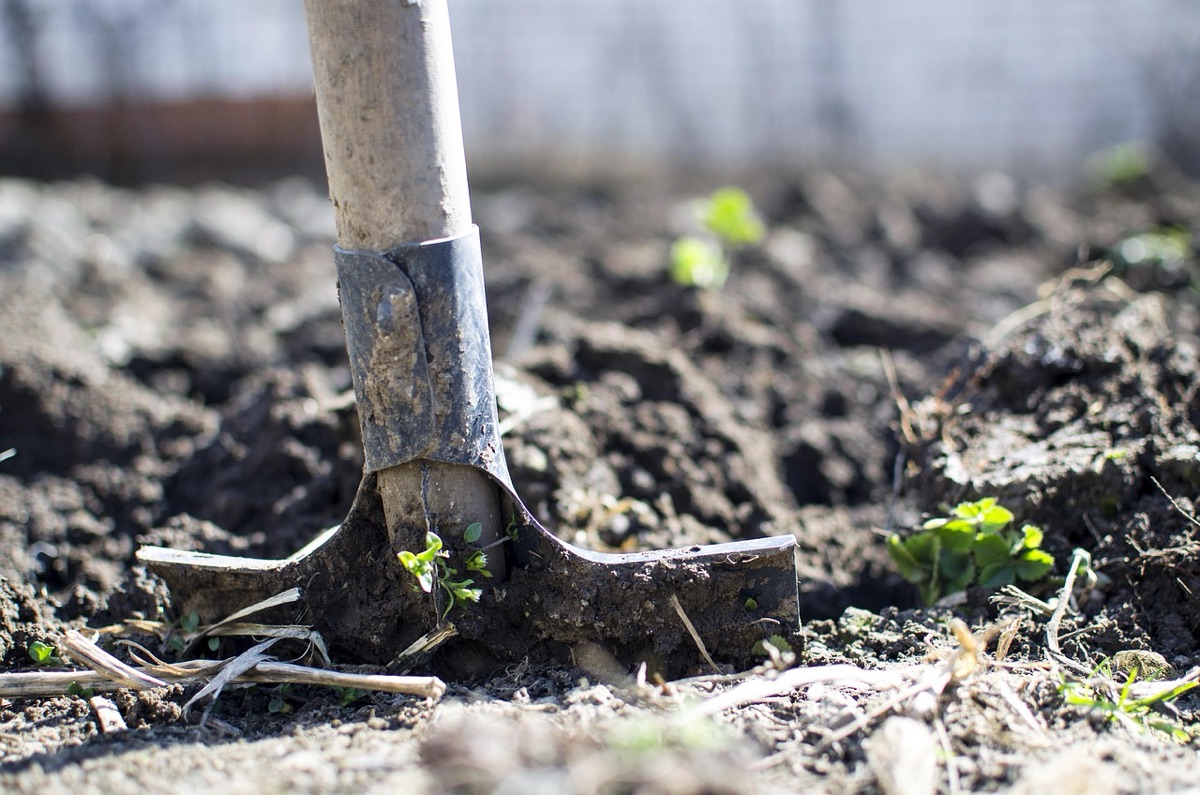
How to Build "Gold Standard" Soil
In gardening, your soil is your foundation. Most of a plant's success—roughly 80%—is determined by the quality of the medium it grows in.
Vegetables are heavy feeders, meaning they suck nutrients out of the ground much faster than ornamental flowers do. Proper preparation is non-negotiable for a bountiful harvest.
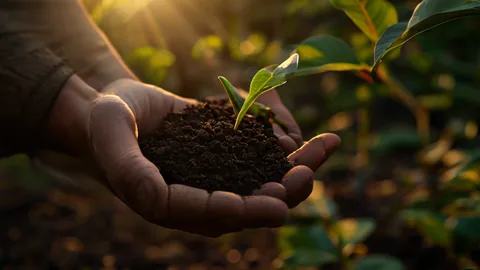
My Step-by-Step Soil Prep Guide 1. Clear the Site: Remove all weeds, rocks, and debris from your designated garden bed or raised bed. 2. Improve Drainage: If your soil is heavy clay, mix in coarse sand or perlite to ensure roots get oxygen. 3. Amend with Compost: Mix in high-quality, fully decomposed organic compost (about 20–30% of your total soil volume). 4. Check pH Levels: Most vegetables prefer a slightly acidic to neutral pH (6.0–7.0).
I learned this the hard way last year. In my excitement, I used "unaged" manure that hadn't fully composted. Within three weeks, my lettuce leaves turned yellow and literally melted into the soil due to nitrogen burn.
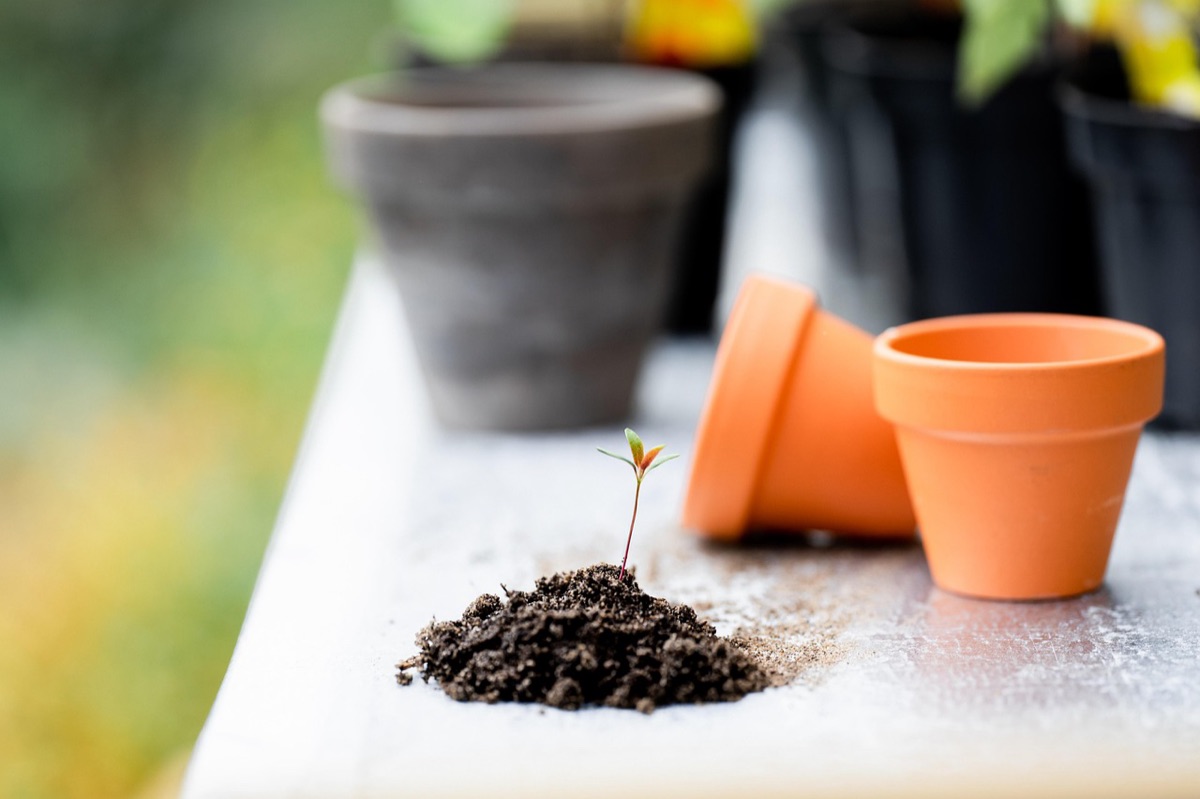
Seeds vs. Transplants: Which Should You Buy?
For a beginner, I cannot recommend transplants (seedlings) highly enough. While seeds are cheaper, the "germination gap" is where most beginners lose heart.
* The Case for Seeds: They are incredibly cost-effective and allow you to grow specific heirloom varieties. This is ideal if you are planning a massive community garden.
* The Case for Transplants: You are essentially "buying time." A nursery-grown seedling is already past the most vulnerable stage of its life.
If you are gardening in containers on a porch, buying small 4-inch pots from a local nursery is much more space-efficient and successful than trying to manage tiny seed trays.
Essential Watering Rules for New Gardeners
The period immediately after planting is the "golden hour" for plant establishment. How you water is just as important as how much you water.
- Timing is Everything: Water in the early morning or late evening. Watering in a 90°F afternoon can cause droplets to act like magnifying glasses and scorch leaves. 2. Target the Roots: Never spray the leaves; spray the soil.
Keeping foliage wet is an open invitation for fungal diseases and blight. 3. The Finger Test: Stick your finger about 2 inches into the soil. If it feels dry at that depth, it’s time to water.
However, be mindful of your local climate. During heavy summer thunderstorms or high-humidity months, you may need to scale back. Overwatering is just as deadly as underwatering in containers.

Comments 0