Grow Perfect Lettuce with These 4 Expert Tips for Beginners
"The secret to a perfect salad isn't in the dressing, but in the shade and the soil where your greens began their life."
Growing your own lettuce is the fastest way to feel like a master gardener, but many beginners end up with bitter, spindly greens or empty pots. To succeed, you need to master the balance of partial shade, consistent moisture, and regular, light fertilization.
Key Takeaways * Optimal Placement: Lettuce thrives in partial shade (3–6 hours of sunlight) rather than full sun to prevent bitterness. * Smart Watering: Consistent moisture is the key; avoid the "flood and drought" cycle to prevent flavor changes.
* The "Weakly, Weekly" Rule: Use diluted liquid fertilizer at 1/4 strength every 7–10 days for steady growth. * Early Success: Focus on timing and soil prep to prevent the most common beginner failures like bolting.

How to Choose the Right Time and Place for Your Lettuce?
The sun beat down on the backyard garden bed in late April, and a first-time grower watched as their delicate greens wilted within hours of being tucked into the dirt. This is the classic error: treating lettuce like a tomato plant.
To avoid this, you must understand the sunlight cheat sheet. While tomatoes and peppers demand full sun (6+ hours), lettuce prefers partial shade, which typically means 3 to 6 hours of light.
If you plant in a spot that gets too much heat, the lettuce will "bolt"—it will grow a tall stalk, produce flowers, and the leaves will turn incredibly bitter.
Timing is just as vital as location. In most temperate parts of the U.S., the best planting windows are the cool stretches of spring and the milder days of fall. If you are planting in a raised bed or a container on a balcony, ensure the soil is rich and drains well.
Lettuce roots need consistent moisture, and heavy, compacted clay soil will drown them just as easily as a drought will kill them.
Choosing between the ground or a container depends on your space, but the rule remains the same: find the cool spot.
Step-by-Step: How to Plant and Manage Your Lettuce Seedlings
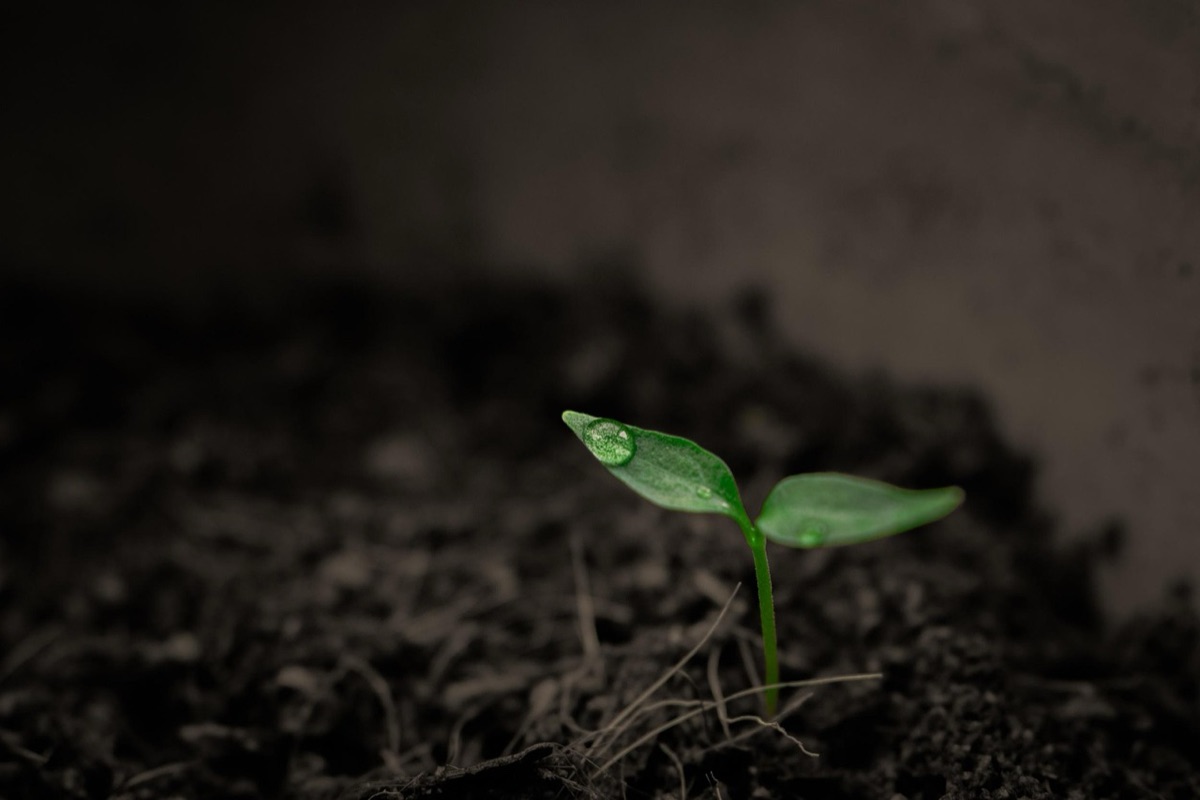
I remember the first time I tucked tiny, microscopic seeds into a tray, only to realize I had buried them too deep to ever see the light of day. Many beginners make this mistake, treating seeds like heavy bulbs rather than delicate life forms.
Follow these steps to ensure your seedlings take hold:
- Decide on your starting method: You can sow seeds directly into your garden bed or buy nursery "starts" (seedlings). Direct sowing is cheaper, but transplanting seedlings gives you a head start on the growing season. 2. Mind the depth and spacing: If sowing seeds, barely cover them with a thin layer of soil. If planting seedlings, leave enough space between them so that once the leaves expand, they aren't choking each other. Airflow is essential to prevent mold. 3. Handle the "Transplant Shock": If you move a plant from a pot to the ground, it might look sad. Use the "ICU Method" to help them recover: trim any dead or damaged growth, ensure they are sitting in fresh, nutrient-rich soil, and place them in a shady spot for three days to stabilize. 4. The first week rule: For the first seven days, focus entirely on root establishment. Keep the soil surface moist but not muddy.
Once the roots are locked in, the real magic happens through feeding and watering.
How to Master Watering and Fertilizing for Crisp Leaves?
A gardener once showed me a patch of lettuce that looked like parchment paper—dry, brittle, and lifeless—because they only watered once a week during a heatwave. This "flood and drought" cycle is the enemy of crisp greens.
To get that snap in your leaves, you need to master the "Weakly, Weekly" rule. Instead of giving the plants a massive dose of heavy fertilizer once a month, use a liquid fertilizer diluted to 1/4 strength every 7 to 10 days.
This provides a steady stream of nutrients that keeps the leaves lush without burning the roots.
Watering habits are equally important. Aim for morning watering whenever possible. This allows the leaves to dry slightly during the day, which prevents fungal diseases. Keep the soil consistently moist—think of a wrung-out sponge—rather than letting it turn into a desert between waterings.
If a sudden heatwave hits, use mulch or a shade cloth to keep the soil temperature down.
With the water and food managed, you can turn your attention to the tiny invaders that want to eat your harvest.
How to Prevent Common Pests and Diseases?
Walking through the garden at dawn, I once found a row of lettuce decimated by slugs overnight, leaving nothing but jagged holes and slime trails. It felt like a lost battle, but prevention is easier than a cure.
Early detection is your best defense. Watch for aphids (tiny insects that cluster on new growth) or slugs (which love the moist environments lettuce requires).
To prevent these naturally, use companion planting—planting onions or garlic nearby can help deter certain pests—and ensure enough space between plants to allow for maximum airflow.
If a plant starts struggling, don't toss the whole garden. Use the "ICU Method" again: * Trim: Remove dead or yellowing growth immediately. * Repot/Reset: If in a container, move the struggling plant to fresh soil. * Shade: Move the plant to a cooler, darker spot for a few days.
Using organic solutions like neem oil or manual removal of pests keeps your salad safe to eat without harsh chemicals.
When and How to Harvest for Maximum Flavor?
The most heartbreaking moment for a gardener is reaching for a head of lettuce only to find it has bolted, leaving you with a tall, woody stalk instead of a salad.
Timing is everything. You want to harvest when the leaves are young and the plant is still in its vegetative state. Once the plant starts to grow upward toward the sun to produce seeds, the flavor changes.
There are two main ways to harvest: 1. The "Cut-and-Come-Again" Method: This is perfect for leaf lettuce. Instead of pulling the whole plant, harvest only the outer, larger leaves. This allows the center of the plant to keep growing, giving you multiple harvests from a single planting. 2.
Full Harvest: For head-forming varieties (like certain types of Romaine), you harvest the entire head once it reaches your desired size.
To keep your harvest crisp, harvest in the cool of the morning and move the greens immediately to a cool storage area.
| Feature | Full Sun Gardening | Partial Shade Gardening (Best for Lettuce) |
|---|---|---|
| Sunlight Hours | 6+ Hours | 3–6 Hours |
| Plant Examples | Tomatoes, Peppers, Melons | Lettuce, Spinach, Hostas |
| Primary Risk | Bolting & Wilting | Lack of light/Fungal issues |
| Water Needs | Higher/Frequent | Moderate/Consistent |
#




Comments 0