Garden soil and compost mix: Why air balance is critical
"The air/water balance is critical to maintaining high temperatures 130–160 °F (54–71 °C) until the materials are broken down."
Effective garden soil and compost mix development requires managing biological activity through precise environmental control. This guide covers essential oxygen levels, temperature phases, and application rates to transform organic waste into nutrient-dense soil.
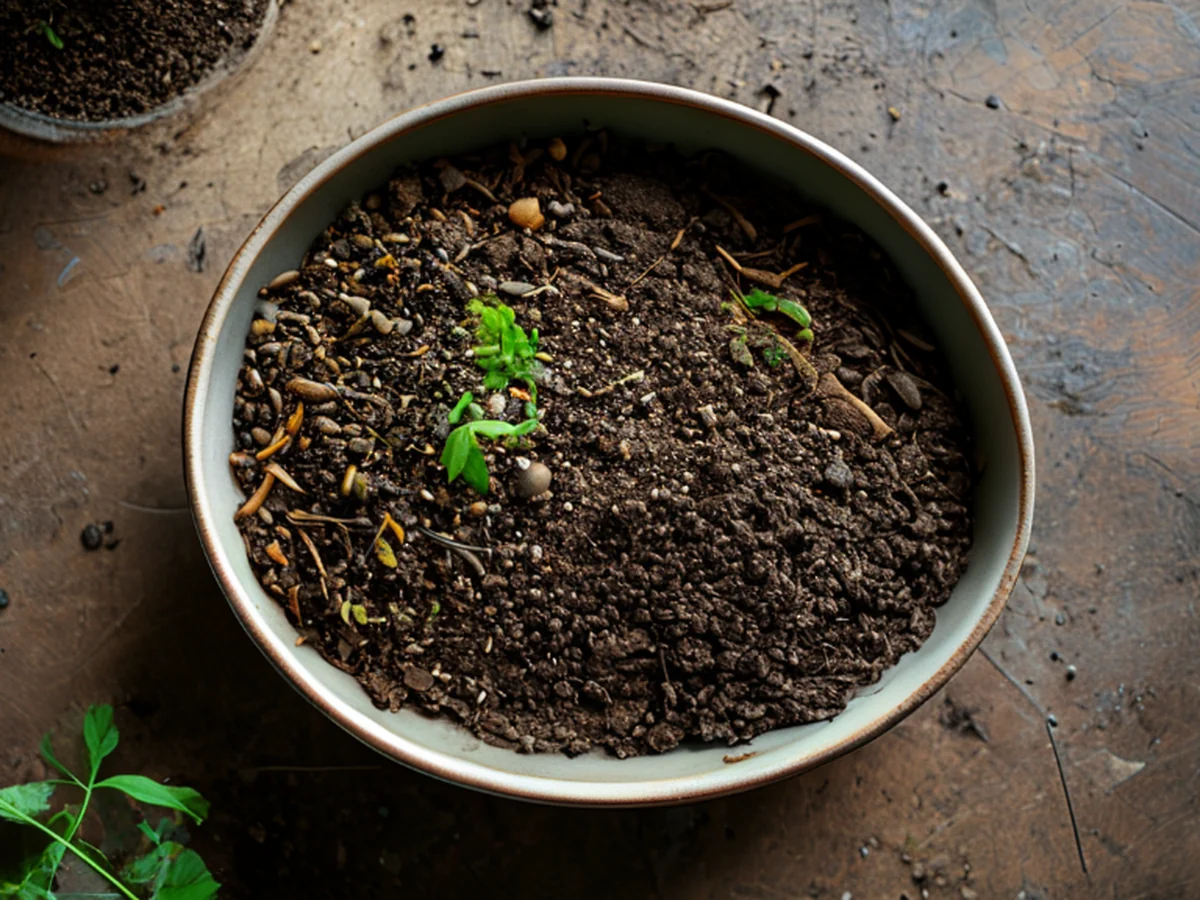
You will learn how to manage thermophilic bacteria, the importance of the air/water balance, and how to apply finished compost to various garden settings.
How to manage a garden soil and compost mix?
At dawn, I grip the heavy pitchfork and turn the damp earth to aerate the garden pile.
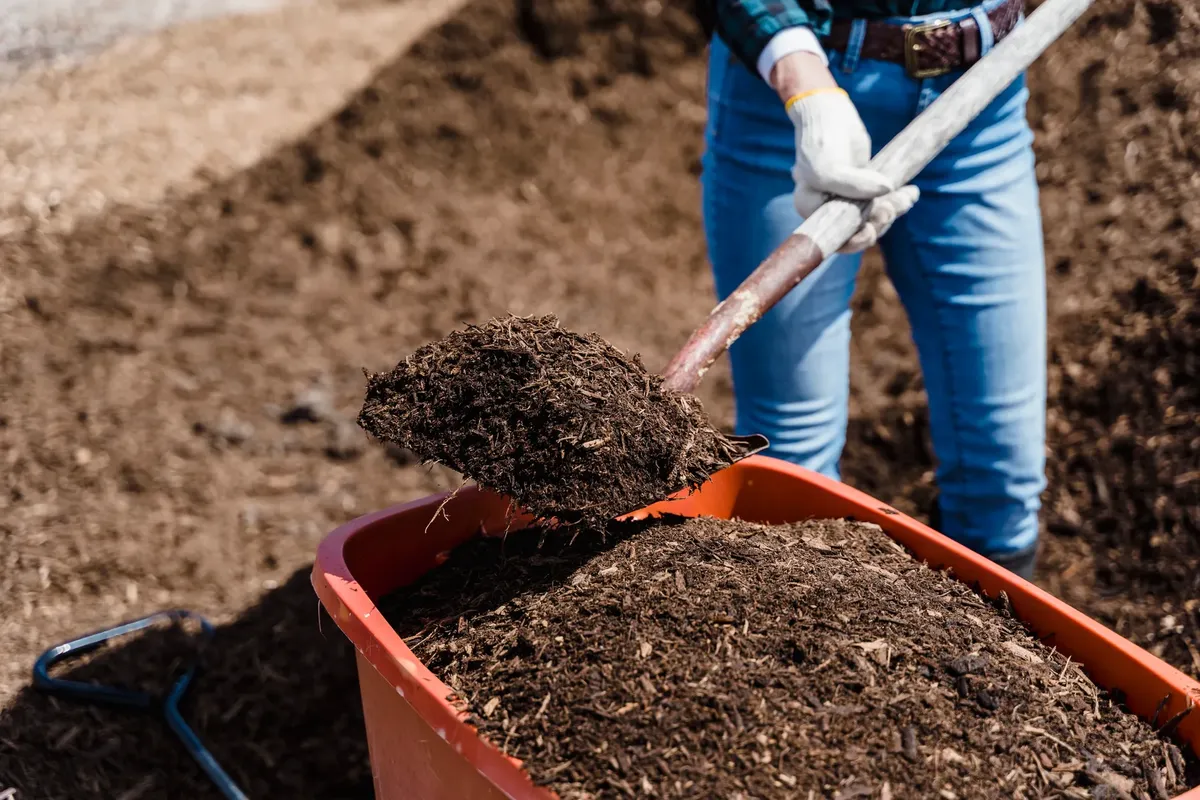
A gardener stands over a steaming pile of organic matter, turning the dark mass with a pitchfork to let fresh air flow through the center. Managing a garden soil and compost mix starts with understanding the biological breakdown of organic matter.
Since food and other compostable materials make up about 20% of waste in landfills, diverting these materials to a compost pile prevents them from taking longer to biodegrade in anaerobic landfill conditions.
To ensure successful decomposition, aerobic bacteria need oxygen levels above 5% to perform the necessary processes. Maintaining this oxygen level prevents the pile from becoming anaerobic.
Without sufficient air, the decomposition process slows, and the beneficial microbes required for healthy soil cannot thrive.
What are the temperature requirements for compost?
The sun beats down on a compost bin as the internal heat rises, signaling active microbial work. The temperature within a compost pile fluctuates based on the biological activity of various bacteria.
Thermophilic bacteria thrive at higher temperatures, reaching 40–60 °C (104–140 °F) in typical mixes.
As the temperature rises, a second, thermophilic phase starts, which can last from 2 to 8 days. During this phase, various thermophilic bacteria carry out decomposition under higher temperatures. This heat is essential for breaking down complex organic structures efficiently.
| Phase type | Temperature Range (Celsius) | Temperature Range (Fahrenheit) |
|---|---|---|
| Typical Mixes | 40–60 °C | 104–140 °F |
| High Heat Breakdown | 54–71 °C | 130–160 °F |
I once observed a pile that reached these high temperatures, which confirmed the active thermophilic phase was underway.
How do I apply compost to my garden?
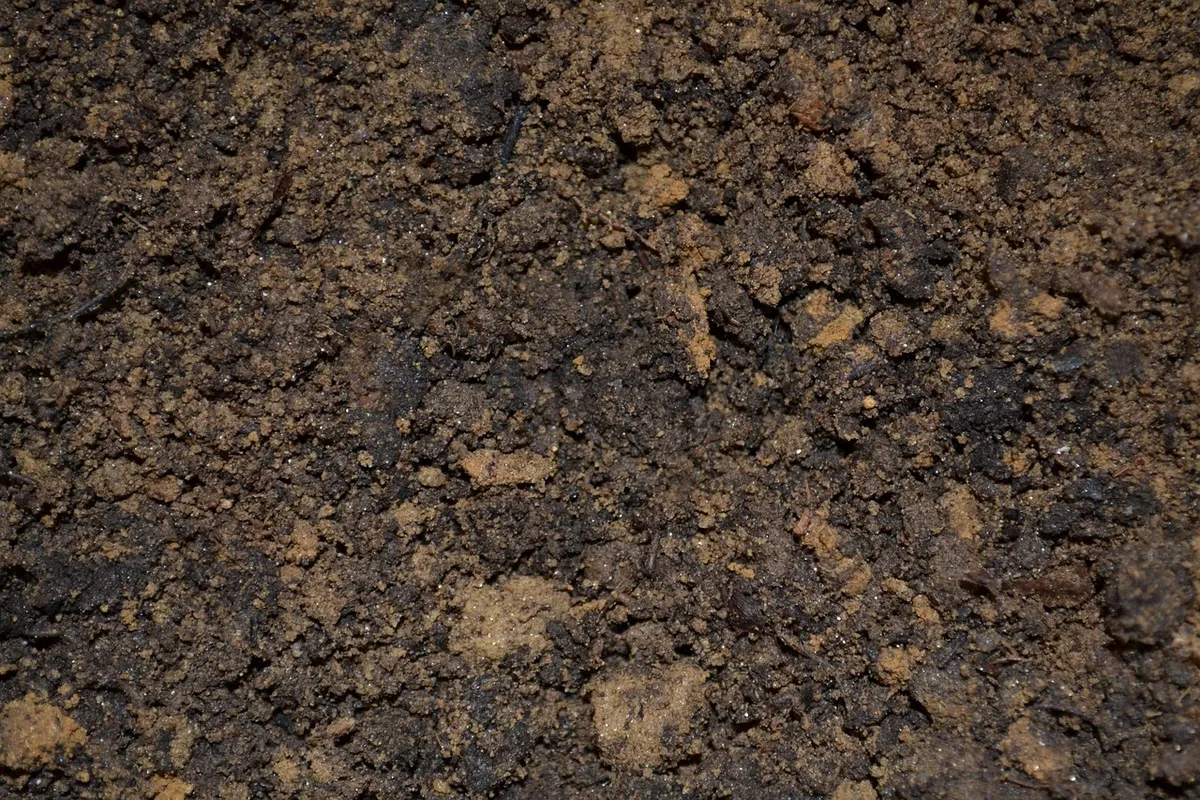
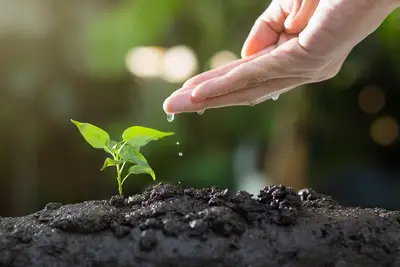
At noon, I kneel in the dirt and carefully spread the dark, crumbly layer across the garden bed.
A gardener carefully spreads a dark, crumbly layer of finished compost over a prepared garden bed. Using the right amount of compost is vital for different gardening needs. It is very common to see blends of 20–30% compost used for transplanting seedlings to provide immediate nutrition.
When working with different garden scenarios, follow these steps:
- Determine the specific goal, such as seedling transplanting or erosion control. 2. Apply the material at the appropriate depth, such as a thin spread layer of approximately 6 mm (0.24 in) for planting. 3. For much larger projects, use application rates of 25 mm (0.98 in) or more to rebuild poor soils or control erosion.
Always check that the compost is fully finished before application.
What are the limitations of compost sources?
A researcher examines a sample of compost for chemical contaminants before deciding to use it in a vegetable garden. While compost is a powerful tool, users must be aware of the origins of their organic matter.
According to the EPA, the US is the only Western country that does not distinguish sludge-source compost from green-composts, and by default 50% of US states expect composts to comply in some manner with the federal EPA 503 rule promulgated in 1984 for sludge products.
For instance, there are health risk concerns about PFASs ("forever chemicals") levels in compost derived from sewage sludge sourced biosolids.
The EPA has not set health risk standards for these specific levels. Additionally, the US is the only Western country that does not distinguish sludge-source compost from green-composts.
By default, 50% of US states expect composts to comply in some manner with the federal EPA 503 rule promulgated in 1984 for sludge products.
- How to manage a garden soil and compost mix?
- What are the temperature requirements for compost?
- How do I apply compost to my garden?
The same subject is also called How to mix garden soil.
The same subject is also called Best compost for garden.
The same subject is also called Creating rich garden soil.
The same subject is also called Soil building with compost.
This part also covers DIY garden soil recipe.
This part also covers Compost mixing techniques.
This part also covers Improving garden soil health.
DIY garden soil recipe
Related
- Small yard soil selection: biological life within soil
- Soil guide: Best soil for small yard soil guide
How is the air/water balance maintained?
Maintaining the air/water balance is a necessary condition for managing the biological activity within a compost pile. If the balance shifts toward too much water, the pile may become anaerobic due to a lack of oxygen.
Conversely, if the balance shifts toward too much air, it could affect the temperature required for thermophilic bacteria to thrive.
To manage the decomposition process, the gardener must ensure oxygen levels remain above 5% to prevent anaerobic conditions. If the air/water balance is not managed, the beneficial microbes required for healthy soil cannot thrive.
This balance is critical to maintaining the high temperatures of 130–160 °F (54–71 °C) needed to break down materials.
When applying compost, the gardener must ensure the material is fully finished. If the compost is applied before the thermophilic phase is complete, it may not provide the intended nutrition for seedlings.
For much larger projects, such as erosion control, the application rate of 25 mm (0.98 in) or more is used to rebuild poor soils. For seedling transplanting, a thinner layer of 6 mm (0.24 in) is used to provide immediate nutrition.
Users must also consider the source of the organic matter to avoid health risks. For example, compost derived from sewage sludge sourced biosolids may contain PFASs.
Because the US does not distinguish sludge-source compost from green-compost, users should check if their compost complies with the federal EPA 503 rule. This is especially important when applying compost to a vegetable garden where chemical contaminants are a concern.
Comments 0