Soil guide: Best soil for small yard soil guide
Choosing the right dirt is the foundation of every successful garden. For those with a small yard, selecting the correct medium ensures plants receive proper drainage and nutrients in limited space.
This guide focuses on identifying the best soil for your specific planting needs to maximize growth. You will learn how to evaluate texture, nutrient density, and drainage requirements.
Key takeaways: * Prioritize drainage and aeration for contained spaces. * Match soil composition to specific plant types. * Monitor organic matter levels to maintain long-term health.
How to choose the best soil for a small yard?
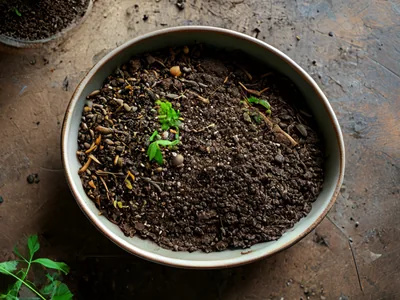
At sunrise in the backyard, I kneel to scoop up dark, crumbly soil to feel its texture.
In a sun-drenched backyard corner, a shovel strikes the ground, turning over dark, crumbly earth. Selecting the right medium is the primary step in garden success.
When space is limited, the quality of the medium matters more because there is less room for error. You must look for specific characteristics that prevent compaction and promote root expansion.
The first step is to identify your existing ground type. If you are planting directly into the earth, you need to know if you are working with clay, sand, or loam.
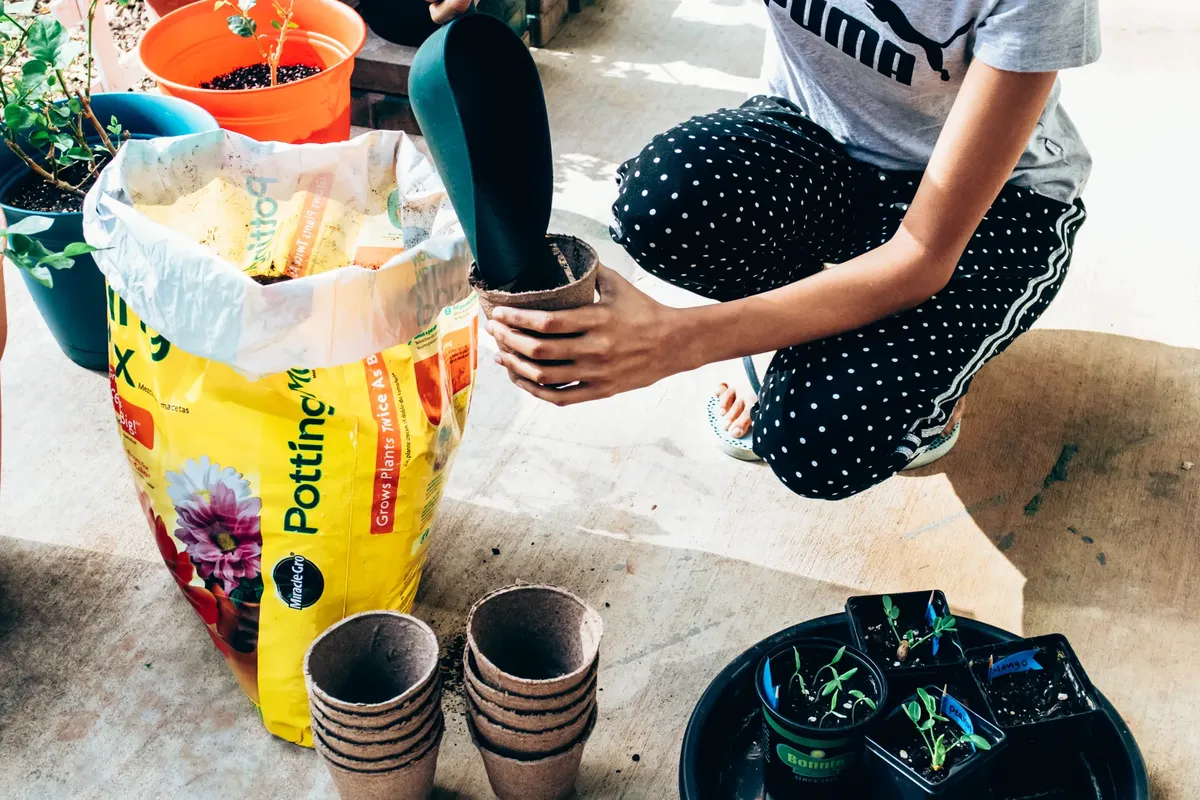
If you are using containers, you cannot use standard garden dirt. Container plants require a specialized potting mix to ensure oxygen reaches the roots.
I remember standing in my own backyard, digging a small hole to test the texture of the dirt before planting my first rose bush. It taught me that the wrong consistency can lead to immediate drainage issues.
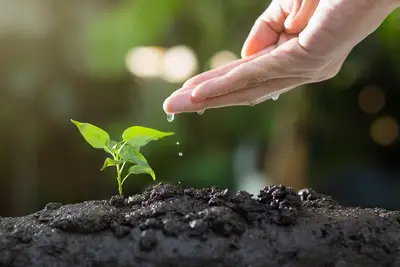
How do I properly evaluate my soil quality? Small yard soil guide I squeeze a handful of damp soil in my palm at noon to check how much moisture it holds.
A hand trowel scrapes against a raised bed, testing the resistance of the ground. To ensure your plants thrive, follow these three steps to evaluate what you need.
- Perform a squeeze test by taking a handful of moist soil and squeezing it in your palm. If it forms a hard ball that does not break easily, it has too much clay; if it falls apart instantly, it has too much sand.
- Check for organic matter by digging a small pit and observing how quickly the soil holds moisture. You want a balance where the soil feels moist but does not turn into mud.
- Verify nutrient levels by observing the health of existing plants or using a simple testing kit. Healthy plants often indicate a good balance, but supplemental organic matter may be needed.
After these steps, perform a final check by ensuring the texture is crumbly and loose. This allows roots to penetrate easily and air to circulate.
Which soil type is right for my specific needs? A bag of compost sits next to a pile of mulch on a garden path. Different gardening tasks require different compositions to achieve the best results.
| Soil Type | Primary Characteristic | Best Use Case |
|---|---|---|
| Topsoil | Natural surface layer | Leveling and filling large areas |
| Potting Mix | Light and airy | Container gardening and small pots |
Using the wrong type can lead to issues. For example, heavy topsoil in a small pot will likely cause root rot due to poor drainage.
A well-chosen small yard soil guide emphasizes that you cannot treat a raised bed the same way you treat a ground-level garden. Using a mix that is too heavy will suffocate roots in shallow spaces.
Applying soil selection to your garden
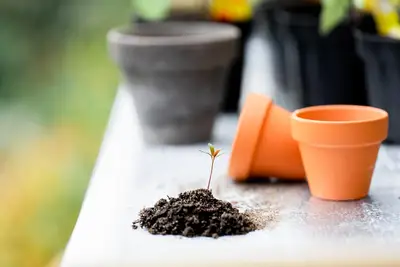
A gardener kneels on a garden mat, preparing a small flower bed for spring planting. Applying your knowledge to your specific garden layout is the next step.
If you have a heavy clay yard, you may need to amend the ground with organic matter to improve aeration. If your yard is sandy, you will need to add materials that help retain moisture.
For those using raised beds, a mix of compost, peat moss, or coco coir is often ideal. This provides a controlled environment that mimics perfect garden conditions.
Always remember to adjust your approach based on whether you are planting in the ground or in containers. A lack of proper drainage in a small space can quickly kill sensitive plants.
The same subject is also called Best soil for small garden.
The same subject is also called Choosing garden dirt.
The same subject is also called Small space planting soil.
The same subject is also called Good soil for tiny yard.
This part also covers How to choose potting mix.
Related
- Soil composition for garden: Choosing garden soil type guide
- Garden soil and compost mix guide for proper drainage
How does soil texture affect drainage in small spaces? 1. Soil texture dictates how quickly water moves through the medium. 2. Clay soil, possessing fine particles, restricts water movement, leading to poor drainage. 3. Sandy soil, with larger particles, allows water to pass through too rapidly, potentially depriving roots of necessary moisture. 4. Loam offers a balance, allowing adequate water retention while permitting sufficient drainage for healthy root development.
When choosing the right dirt for a small yard, understanding this textural relationship is crucial for preventing waterlogging or desiccation. The goal is always to achieve a medium that supports both moisture availability and swift aeration.
What conditions necessitate amending the soil? 1. If the squeeze test reveals a hard ball, the existing ground requires amendments to break up the clay structure. 2. If the soil crumbles instantly when squeezed, it suggests a sand dominance, demanding materials to improve water holding capacity. 3. Observing existing plant health provides a visual indicator of nutrient deficiencies or drainage problems requiring correction.
Amending the soil allows you to move closer to the ideal composition for your specific planting needs. This adjustment process ensures that the foundation you are choosing provides the best possible environment for the plants you intend to grow.
How do different soil amendments affect the right choice of dirt? 1. Adding organic matter to heavy clay soil improves aeration by creating air pockets between the fine particles. 2. Incorporating materials that absorb water into sandy soil helps the medium retain necessary moisture for plant life. 3. Using compost as an amendment helps balance nutrient density across various existing ground types.
When making the right choice of dirt, amendments serve to mitigate the inherent limitations of the native soil structure. These additions modify the texture, allowing the soil to better support root growth across different conditions.
This modification process is key to successful gardening in challenging spots.
What cautions should guide the selection of the right soil? 1. Never substitute standard garden dirt for specialized potting mix when working with containers. 2. Be cautious that amending soil does not introduce excessive amounts of salts or harmful chemicals. 3. Always monitor the soil's moisture retention after amending to ensure drainage remains adequate.
The caution regarding container use highlights a critical difference in soil requirements between ground planting and pot gardening. Proper evaluation of the soil's behavior under stress, such as overwatering, is paramount when choosing the right dirt.
This careful consideration prevents the rapid decline of sensitive plants.
Comments 0