Top 5 Air-Purifying Plants to Transform Your Small Veranda
"Transform your compact balcony from a mere storage space into a living, breathing air-filtration system with these five resilient plant varieties."
Choosing the right plants for a small veranda requires balancing light requirements, space constraints, and the specific air-purification needs of your home. By selecting hardy species that thrive in varying humidity levels, you can turn a cramped outdoor space into a lush, oxygen-rich sanctuary.
* Selection Strategy: Focus on plants that thrive in partial shade and varying humidity levels typical of veranda environments. * The "Golden Rule" of Verandas: Prioritize vertical growth and air-flow management to maximize purification in small footprints. * Maintenance Core: Master the balance of "drainage-first" watering and seasonal humidity control to prevent root rot and pests.

How to Choose the Best Plants for a Small Veranda?
I stood on my fourth-floor balcony last Tuesday, looking at a row of wilted ferns that had crowded out the walking path. The space was too tight for massive pots, and the afternoon sun hitting the glass made the air feel heavy and stagnant.
When you deal with a small footprint, the biggest mistake is buying massive, wide-leafed tropicals that take up the entire floor. Instead, you should look for plants that favor vertical growth or can be placed on tiered shelving.
This allows you to maximize the "air-purification surface area" without losing your ability to walk outside.
Light assessment is your next hurdle. If your veranda faces North, you need low-light champions. If it faces South or West, you need plants that can handle the heat radiating from the glass.
Understanding the difference between oxygen production and the removal of Volatile Organic Compounds (VOCs) is also key; some plants are better at absorbing chemicals from your indoor air, while others are better at refreshing the oxygen levels.
For those just starting, the "Beginner's Buffer" is essential. Choose hardy species that can survive a week of neglect. This gives you time to learn the nuances of your specific microclimate before you invest in more sensitive, expensive specimens.
Top ly 5 Air-Purifying Plants for Veranda Success
The sun hit the ceramic tiles at noon, casting long shadows across the empty pedestals waiting for new life. I realized then that a successful balcony isn't about having the biggest plants, but the smartest ones.
1. Snake Plant (Sansevieria): The Indestructible Choice The Snake Plant is the ultimate solution for narrow corners. Because it grows upright rather than outward, it takes up minimal floor space.
It is famous for its ability to thrive in low light and is highly effective at cleaning formaldehyde and benzene from the air. It is the perfect "set it and forget it" plant for busy schedules.
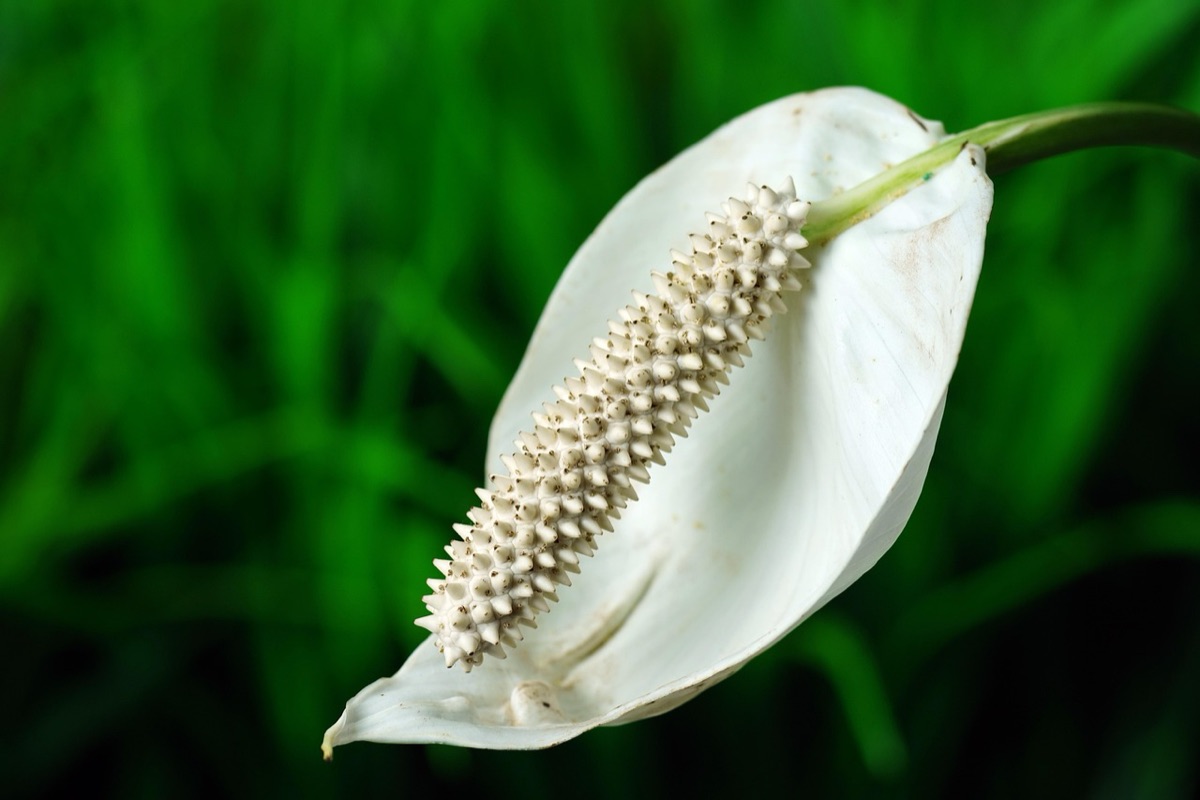
2. Peace Lily (Spathiphyllum): The Humidity Booster If your veranda feels a bit dry, the Peace Lily is your best friend. It acts as a natural humidity booster and is excellent at filtering indoor toxins.
While it requires more consistent moisture than the Snake Plant, it loves the filtered light typical of covered verandas. Just watch the soil; it will literally "droop" to tell you when it is thirsty.
3. Areca Palm: The Natural Humidifier For those with slightly larger balconies, the Areca Palm is a showstopper. It functions as a massive natural humidifier, making it ideal for increasing ambient humidity levels in the surrounding area. It needs bright, indirect light to keep its fronds lush.
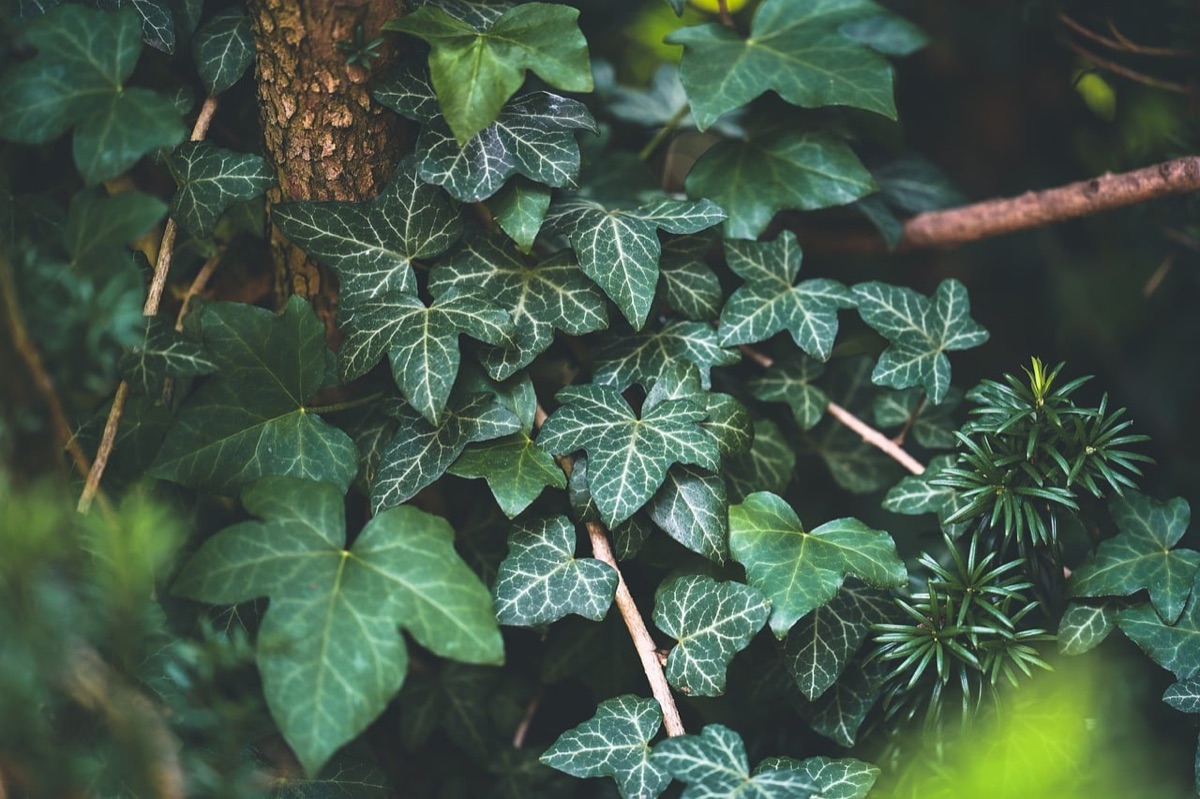
4. English Ivy: The Airborne Mold Fighter When floor space is at a premium, look up. English Ivy is perfect for hanging arrangements or wall-mounted planters. It is particularly effective at fighting airborne mold, making it a great choice for damp or enclosed veranda areas.
Just ensure it has something to climb or drape over.
5. Rubber Plant (Ficus elastica): The Heavy-Duty Filter The Rubber Plant is a powerhouse for air quality. Its large, waxy leaves are designed to absorb carbon dioxide and various pollutants efficiently.
Because they can grow quite tall, they work best when placed in a corner where they can reach upward toward the light.
| Plant Name | Light Requirement | Primary Benefit | Space Usage | | :---ly | :--- | :--- | :--- | | Snake Plant | Low to Bright Indirect | Formaldehyde/Benzene removal | Very Low (Vertical) | | Peace Lily | Medium/Filtered Light | Toxin filtration & Humidity | Medium | | Areca Palm | Bright Indirect | High Humidity boost | High (Wide) | | English Ivy | Medium/Indirect | Mold fighting | Low (Hanging) | | Rubber Plant | Bright Indirect | CO2 & Pollutant absorption | Medium (Vertical) |
How to Master Veranda Plant Placement and Layout?
I spent three hours rearranging my pots last Sunday, moving a tall palm to the corner and hanging ivy from the rafters. The difference in the room's "feel" was immediate.
The first step is the Layering Technique. To prevent your balcony from looking like a cluttered jungle, place taller plants—like the Areca Palm or Rubber Plant—in the back or against the wall. Place smaller, trailing, or shorter plants—like the Snake Plant or Peace Lily—in the front.
This creates a visual depth that makes a small space feel larger.
Airflow management is the silent killer of balcony gardens. Avoid "dead zones" where air becomes stagnant, as this can lead to fungal growth and pests. Using tiered shelving or plant stands helps move air around the foliage. Additionally, you should rotate your pots every two weeks.
This ensures even growth and prevents plants from leaning awkwardly toward the glass.
Finally, consider grouping plants together. This isn's just for aesthetics; grouping plants creates a localized "microclimate." The collective transpiration of the group increases the humidity in that specific area, which helps the plants thrive.
How to Manage Watering and Humidity Cycles?
The morning dew was still on the leaves when I reached for my watering can, realizing that the heat of the day would soon change the soil's moisture levels.
The golden rule for preventing death is the Finger Test. Stick your finger about one inch into the soil. If it feels dry, water it; if it feels damp, wait. This simple habit prevents the most common cause of plant death: overwatering.
You must also make seasonal adjustments. In the heat of summer, you may need to water more frequently. However, during the winter dormancy period, you should reduce watering by roughly 50% to account for slower growth and lower evaporation rates. Always ensure your pots have drainage holes.
Using pots without drainage is a recipe for root rot, which is almost impossible to fix once it starts.
For humidity-loving plants like the Peace Lily, use "humidity hacks." A pebble tray—a tray filled with stones and a bit of water placed under the pot—can raise the local humidity without soaking the roots. Misting the leaves can also help, but only in well-ventilated areas.
Common Mistakes and How to Avoid Them
I looked at the yellowing leaves of my old ferns and realized I had been making the same mistakes for years. I was treating them like indoor house plants, forgetting the unique environment of the veranda.
Mistake 1: Overwatering (The #1 Killer) Most beginners think more water equals more life. In reality, soggy soil drowns the roots by cutting off oxygen. If you see yellowing leaves or a "swampy" smell coming from the pot, you are likely overwatering.
Always check the soil depth before adding more liquid.
ness 2: Neglecting Light Requirements Putting a shade-loving plant in direct afternoon sun will scorch the leaves, while putting a sun-lover in a dark corner will make it "leggy" and weak. Match the plant to the specific light levels of your balcony.
Mistake 3: Ignoring Drainage If your pot doesn't have a hole at the bottom, water pools at the base, creating a rot-filled environment. If you love a decorative pot without holes, use it as a "cachepot"—keep the plant in its plastic nursery pot and simply set that inside the decorative one.
How to avoid these mistakes: 1. Always use pots with drainage holes. 2. Check soil moisture with your finger before every watering. 3. Group plants by their light and water needs. 4. Rotate pots regularly to prevent leaning. 5. Clean leaves occasionally to remove dust and allow better breathing.
Troubleshooting and Advanced Tips
The sun was setting, and the evening breeze moved through the leaves. I realized that even with the best setup, nature occasionally throws a curveball.
If your plants are struggling, check the "two-factor" rule: Light and Water. If a plant is dying, it is almost always because the light level is wrong for that species or the water level is wrong. If the leaves are crispy, they likely need more humidity or less direct sun.
If the leaves are mushy, they need less water.
For those looking to take their balcony to the next level, consider organic fertilizers. A light feeding during the growing seasons (spring and summer) can boost the air-purification capabilities of your plants. Just remember: more is not better.
Over-fertilizing can burn roots just as easily as overwatering can.


Comments 0