Rain barrels guide to saving water for your garden beds 1
This article is about barrels. “The secret to a lush garden isn't just in the soil, but in how you master the flow of water through your landscape.”
To build a sustainable garden, you must integrate smart water collection, efficient irrigation delivery, and nutrient recycling through composting. This guide covers setting up rain barrels, choosing between drip and overhead watering, and turning yard waste into gold.
Key Takeaways * Install rain barrels to capture runoff for immediate garden use. * Use drip irrigation to minimize evaporation and target roots directly. * Start a compost pile to recycle organic waste into nutrient-rich soil.
* Balance water collection with efficient distribution to prevent waste.
How to set up a rain barrel for garden irrigation?
A heavy downpour hits the roof of the garage, and water cascades into the gutters, pooling uselessly in the driveway. You watch the runoff flow toward the street, knowing that much of that fresh rainwater could be feeding your flower beds instead of causing erosion.
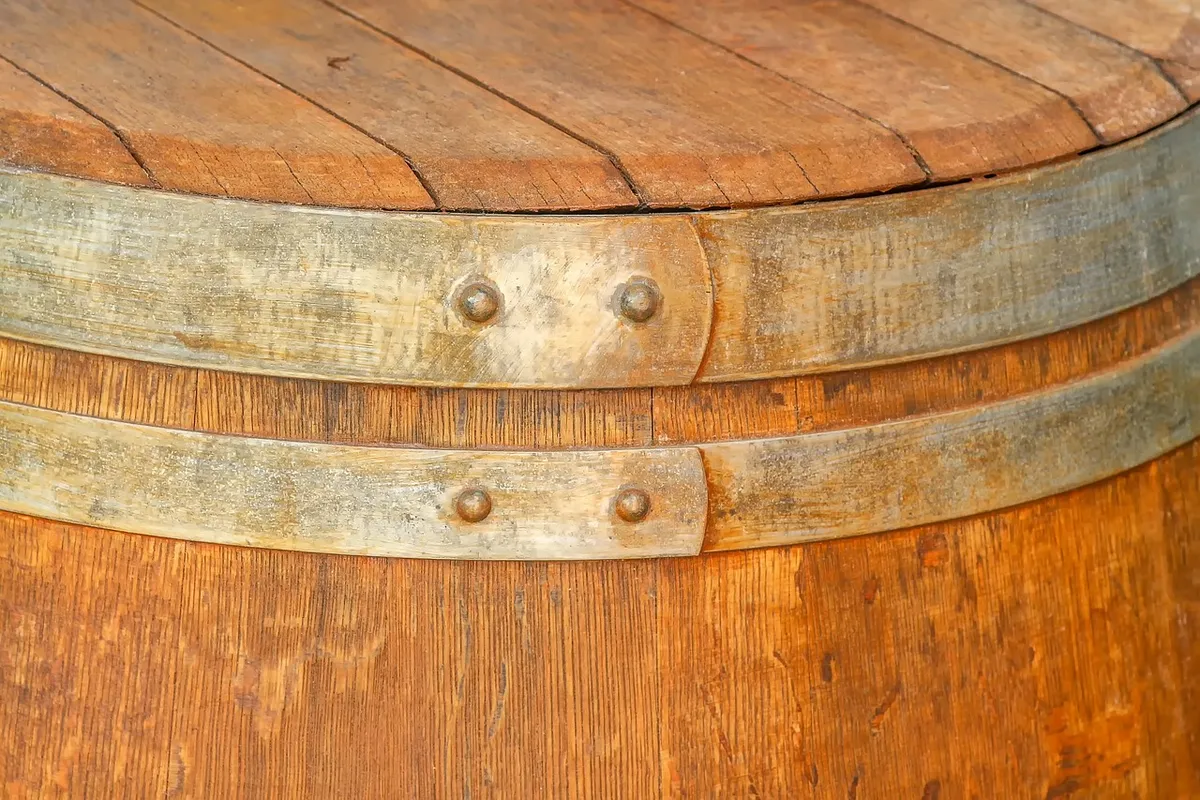
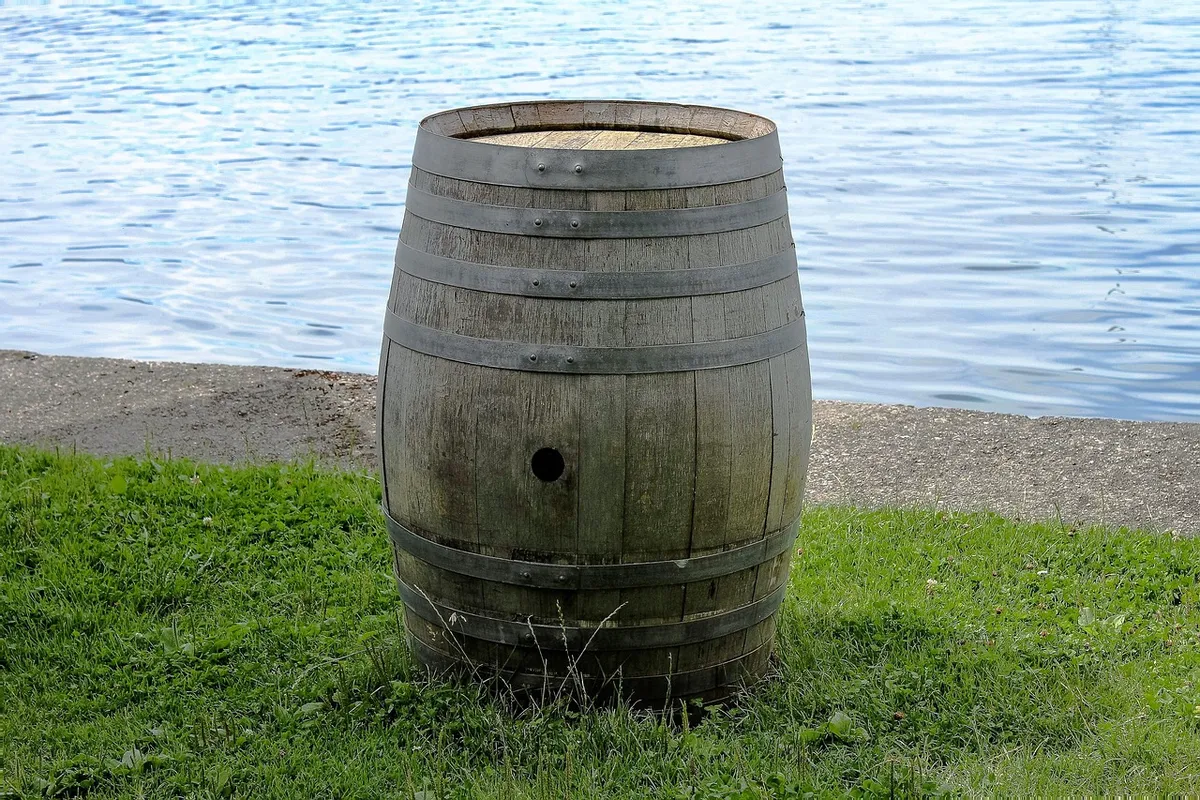
Setting up a rain barrel is the first step in capturing this natural resource to reduce your reliance on the municipal water supply. You will need a food-grade plastic barrel with a tight-fitting lid, a spigot, and a raised stand to ensure gravity-fed flow.
- Position the barrel on a level, solid base like concrete pavers to support the weight of a full barrel. 2. Install a diverter kit in your downspout to direct water directly into the barrel opening. 3. Attach a spigot near the bottom of the barrel to allow for easy filling of watering cans. 4. Ensure the barrel has a screen or mesh cover to prevent mosquitoes and debris from entering.
The weight of a full barrel can be significant, so building a sturdy, elevated platform is essential for providing enough pressure for your hose. I remember when I first placed my 50-gallon barrel on a stack of bricks; the initial flow was so weak I had to rebuild the base entirely.
According to the environmental guidelines and resource data, managing runoff effectively can prevent soil erosion and provide a steady supply of soft water for sensitive plants.
Using collected rainwater is often better for plants than tap water because it lacks the chlorine and fluoride found in municipal systems. This method also helps mitigate local flooding by slowing down the volume of water entering the drainage system during heavy storms.
A limitation of rain barrels is that they are strictly weather-dependent; during a prolonged drought, your supply will run dry regardless of how well the system is built.
- Place the barrel on a level, elevated base to ensure proper gravity flow.
- Connect the downspout diverter to your existing gutter system.
- Attach a spigot to the bottom of the barrel for easy access to water.
Which irrigation method saves the most water?
The sun beats down on the garden at noon, and you see the fine mist from a traditional sprinkler drifting away in the breeze, barely touching the base of the plants. The soil underneath remains dry, while the leaves get soaked, inviting fungal issues.
Choosing between drip irrigation and overhead watering depends on your specific plant types and budget, but drip irrigation is significantly more efficient for water conservation.
While overhead watering covers a wide area, much of the water is lost to evaporation or wind drift before it ever reaches the ground.
| Feature | Drip Irrigation | Overhead Watering |
|---|---|---|
| Water Delivery | Direct to root zone | Broadcast over foliage |
| Evaporation Loss | Minimal | High |
| Target Precision | Very High | Low |
| Soil Erosion Risk | Very Low | Moderate to High |
Drip irrigation systems use emitters to deliver water slowly and precisely to the base of each plant. This minimizes evaporation and ensures that water penetrates deep into the root zone rather than sitting on the surface.
I once switched my entire vegetable patch from a oscillating sprinkler to a drip line, and the difference in soil moisture consistency was immediate. I spent much less time weeding because the foliage stayed dry, which prevented the rapid growth of weeds in the surrounding mulch.
| Method | Efficiency Level | Best Use Case |
|---|---|---|
| Drip Irrigation | High | Raised beds, vegetable gardens, and potted plants |
| Overhead Watering | Low | Lawns and large ground-cover areas |
This comparison shows why precision matters for long-term garden health.
In this sequence, the first step is the most critical for preventing evaporation.
How do you turn yard waste into garden gold?
You stand over a pile of grass clippings, fallen leaves, and vegetable scraps, wondering if it is worth the effort to manage this growing heap. The smell of damp earth begins to rise, and the pile seems to be shrinking on its own, even though you haven't touched it in weeks.
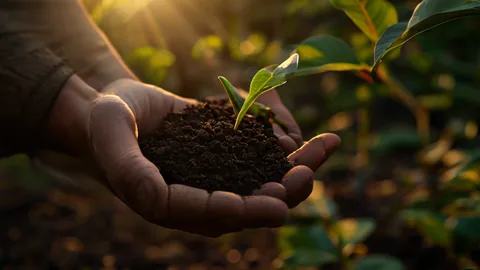
Composting is the process of recycling organic waste into a nutrient-rich soil amendment that improves soil structure and biology. By managing the decomposition of yard waste, you turn a disposal problem into a valuable resource for your plants.
- Create a pile with a mix of "greens" (nitrogen-rich materials like grass clippings) and "browns" (carbon-rich materials like dried leaves). 2. Keep the pile moist, similar to the consistency of a wrung-out sponge. 3. Turn the pile with a pitchfork every week or two to introduce oxygen, which fuels the decomposition process. 4. Monitor the temperature; a healthy pile will generate heat as microbes work.
A well-managed compost pile can transform the texture of heavy clay soil or sandy soil, making it more capable of holding moisture and nutrients. My first compost bin was a simple wire mesh cylinder, and it was amazing to see how much volume the pile lost as it turned into dark, crumbly earth.
The process works through the natural activity of bacteria, fungi, and invertebrates. If the pile is too dry, the decomposition will stall; if it is too wet, it may become anaerobic and smell unpleasant.
This practice is not a substitute for professional fertilizers in depleted soils, but it serves as an excellent foundational amendment.
In this order, the second step is the longest.
According to IMF, The International Monetary Fund (IMF) also estimates that $50 billion may be needed only to cover the expenses of climate adaptation.
According to OECD, the item is on record.
According to Statistical Commission, the recorded figure is 51.
To prevent mosquitoes, you must ensure the barrel has a tight-fitting lid and a fine mesh screen over the top opening. This prevents insects from accessing the water to lay eggs.
Related



Comments 0