Choosing garden soil types: Why pore space is vital
"A typical soil is about 50% solids... and 50% voids (or pores) of which half is occupied by water and half by gas."
Choosing garden soil types requires understanding the delicate balance between solid matter and the empty spaces that allow life to breathe.
To select the right medium, you must consider the ratio of minerals to organic matter, the volume of pore space available for water and gas, and the biological health of the environment.
This guide covers the structural composition of soil, the importance of pore space for root respiration, and the biological diversity required for a healthy garden.
How do the physical components of soil affect growth?
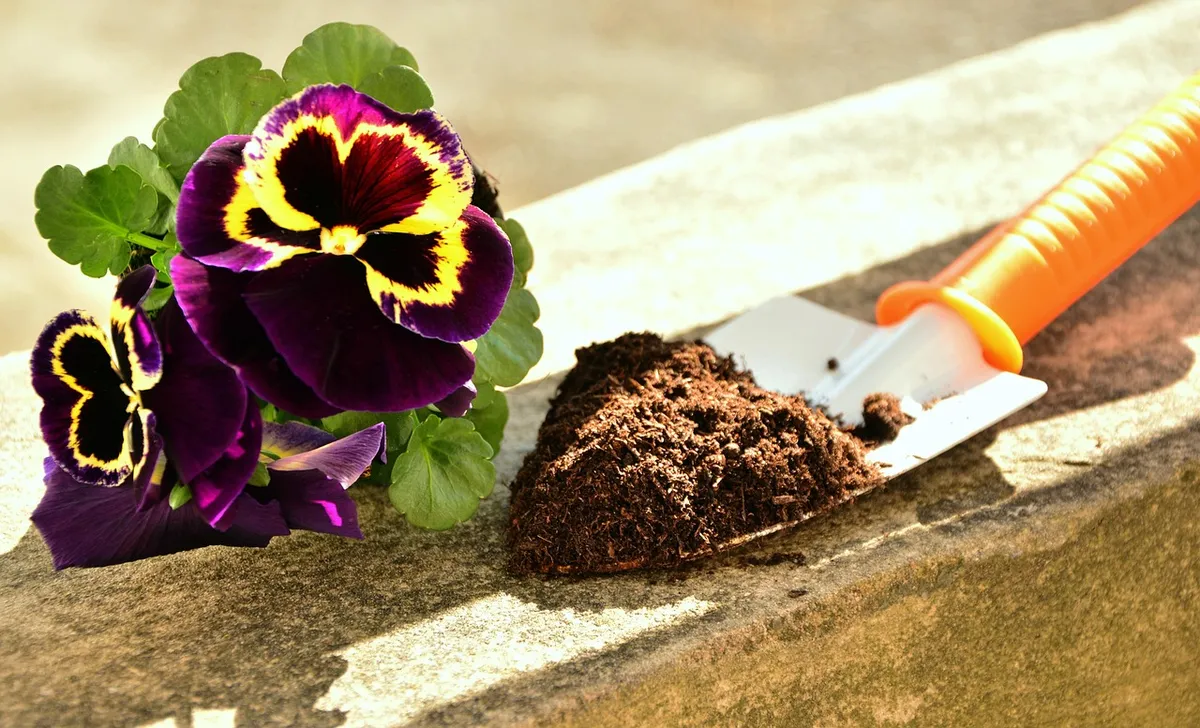
A gardener reaches into a bag of fresh potting mix, feeling the gritty texture of minerals against the soft, spongy organic matter. Understanding the fundamental makeup of the medium is the first step in choosing garden soil types for successful planting.
A typical soil consists of approximately 50% solids, which is composed of 45% mineral material and 5% organic matter. The remaining 50% is made up of voids, or pores. Within these voids, half is occupied by water and the other half by gas.
This specific ratio ensures that plants receive both hydration and oxygen.
The balance of sand, silt, and clay determines how well the ground holds water and air.
Why is pore space vital for plant roots? Choosing garden soil types
A shovel turns over a heavy clod of earth, revealing tiny pockets of air trapped between the grains. When considering soil needs for different plants, the management of these internal spaces is critical for survival.
The voids in the soil are essential for gas exchange. While atmospheric CO2 concentration is 0.04%, the concentration within soil pore space may range from 10 to 100 times that level.
This high concentration of gas can potentially contribute to the inhibition of root respiration if the pore space is not managed correctly. Maintaining proper aeration through specific soil textures prevents these gas levels from suffocating root systems.
Pore space allows roots to expand and ensures oxygen reaches the root zone.
What biological diversity lives in the soil?
A magnifying glass hovers over a patch of damp earth, revealing the movement of tiny organisms beneath the surface. Effective garden soil selection guide principles often focus on the living organisms that inhabit these spaces.
The soil is a massive reservoir of life, with a recent study suggesting it is likely home to 59 ± 15% of the species on Earth.
Within this ecosystem, Enchytraeidae (potworms) have the greatest percentage of their species living in soil at 98.6%, followed by fungi at 90%, plants at 85.5%, and termites (Isoptera) at 84.2%. These organisms work together to cycle nutrients and maintain structure.
| Component | Percentage of Total |
|---|---|
| Solids (Mineral & Organic) | 50% |
| Voids (Water & Gas) | 50% |
A healthy soil ecosystem contains a complex web of bacteria, fungi, and invertebrates.
How can I manage soil density and structure?
A hand presses down on a seedling bed, testing the resistance of the ground against the fingers. To ensure healthy growth, one must understand the difference between how heavy the soil feels and how much space it actually occupies.
Most soils have a dry bulk density—the density of soil taking into account voids when dry—between 1.1 and 1.6 g/cm3. This is significantly lower than the soil particle density, which ranges from 2.6 to 2.7 g/cm3.
Managing this density is key to how to pick garden dirt that allows for easy root penetration.
- Assess the current bulk density by checking how much the soil compresses when stepped on or pressed. 2. Incorporate organic matter to maintain a healthy void-to-solid ratio. 3. Monitor moisture levels to ensure the 50/50 split of water and gas in the pores is balanced.
I once noticed that my heavy clay soil felt much denser than the loose loam, making it difficult to plant delicate seedlings without significant amendment.
- Avoid heavy machinery use to prevent compaction.
- Incorporate organic matter to improve tilth.
- Use cover crops to maintain structure.
What is the role of chemical exchange in soil?
A scientist examines a soil sample in a lab, measuring the capacity of the particles to hold onto essential nutrients. For those managing professional landscapes, understanding cation exchange capacity (CEC) is essential.
CEC is the amount of exchangeable hydrogen cations (H+) that will combine with 100 grams of dry weight soil. This measurement is expressed as one milliequivalent per 100 grams of soil (1 meq/100 g).
This capacity allows the soil to hold onto nutrients like calcium, which has an atomic weight 40 times that of hydrogen and a valence of two.
In this sequence, the first step is the most critical for nutrient availability.
How much life is present in a single acre?
A wide field of dark, rich earth stretches toward the horizon, teeming with invisible life. The sheer scale of biological activity in a single acre can be overwhelming to visualize.
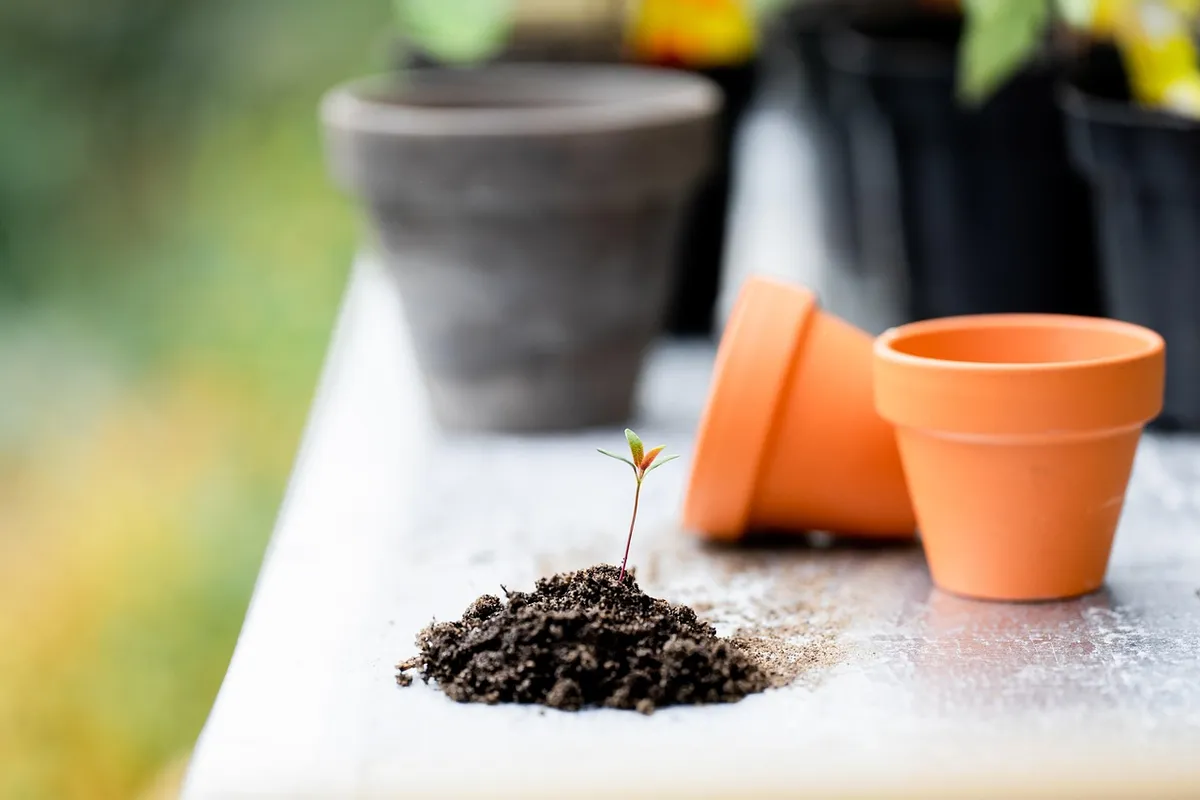
The living component of an acre of soil may include 900 lb of earthworms, 2400 lb of fungi, 1500 lb of bacteria, 133 lb of protozoa, and 890 lb of arthropods and algae. This biomass composition typically includes 70% microorganisms, 22% macrofauna, and 8% roots.
Such a diverse community supports the overall health of the garden.
A single acre of healthy soil can host billions of microscopic organisms.
The same subject is also called best soil for garden.
The same subject is also called soil types for planting.
This part also covers soil texture for plant health.
This part also covers mixing compost in garden soil.
soil texture for plant health
Related
Comments 0