5 Steps to Sustainable Garden Success for New Growers
"Lowering the temperature of the planet doesn't require grand policies; it can begin with a single tree planted in your own backyard."
Building a sustainable garden is about more than just planting pretty flowers. It is a process of supporting ecosystem cycles and creating a small fortress against a changing climate.
By selecting native plants and designing for resource efficiency, you can cultivate a space that actively contributes to environmental health.
* Selecting native plants suited to your local ecosystem. * Utilizing planting designs that increase energy efficiency. * Building a resource cycle using rainwater and compost. * Creating small habitats to support biodiversity.
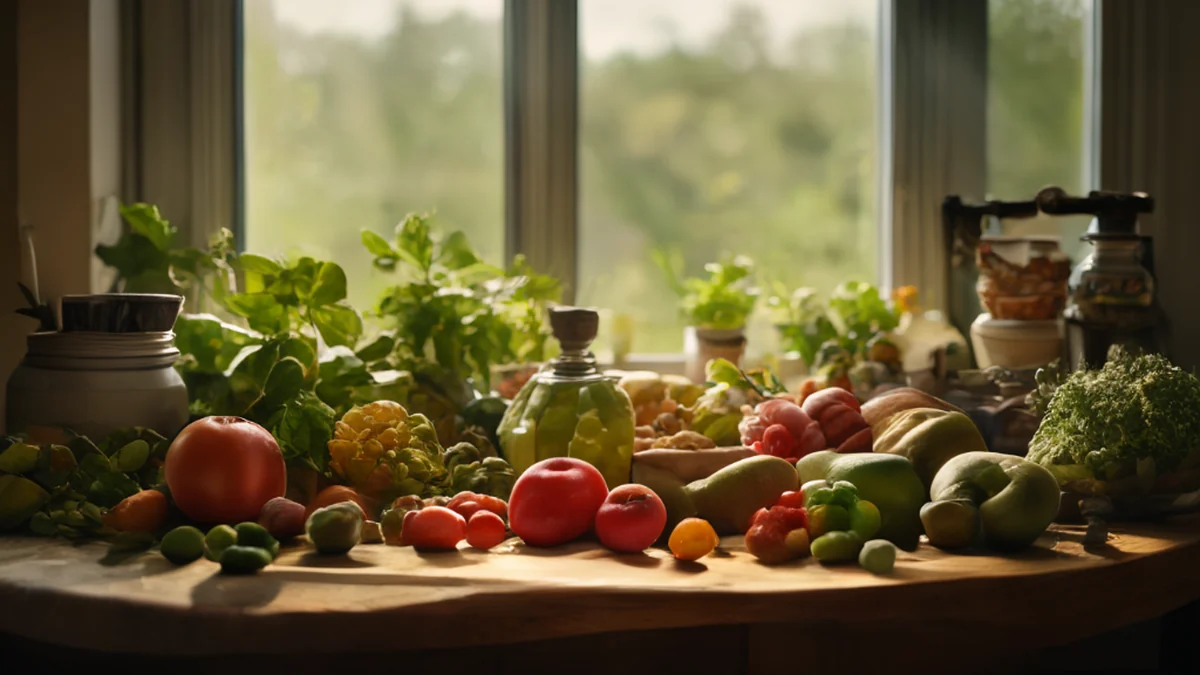
Why do we need "sustainable gardening" right now?
The sun beats down at 2:00 PM on a sweltering July afternoon, and the heat in the backyard feels heavy enough to touch.
As you stand in the yard, sweat rolls down your forehead, and you realize the summer feels longer and more intense than it did a decade ago.
When we face these unpredictable heatwaves and sudden, heavy downpours, we have to ask ourselves what kind of impact our own small outdoor spaces are having on the world.
According to the United Nations, a report released in 2024 stated that only 17% of the SDG targets were on track. In this context, personal gardening moves beyond a mere hobby; it becomes a meaningful way to contribute to environmental preservation.
A sustainable garden is a space that generates resources rather than just consuming them. The core idea is to capture rainwater, use compost instead of chemical fertilizers, and create an environment where local wildlife can thrive.
These small shifts build a powerful foundation for responding to climate change.
Here is why we should focus on our individual gardens.
How can plants act as a natural air conditioner?
Have you ever noticed the massive temperature difference between a street paved with black asphalt and a lush, shaded park during a mid-summer afternoon? In that moment of heat, you realize how much a living canopy can change the air around you.
The "Green Corridor project" in Lisbon exemplifies this potential, reporting a reduction of local temperatures by 3°C. A well-designed garden helps mitigate the "urban heat island" effect, cooling the immediate surroundings of your home.
Additionally, integrating agroforestry-style systems into rooftop gardens improves insulation of buildings, reducing the demand of energy for cooling by up to 20%. A garden is not just a visual luxury; it is a functional space that helps curb carbon emissions by lowering energy consumption.
Let's look closer at how we can design a space that regulates indoor temperatures through greenery.
What plants should we choose for biodiversity?
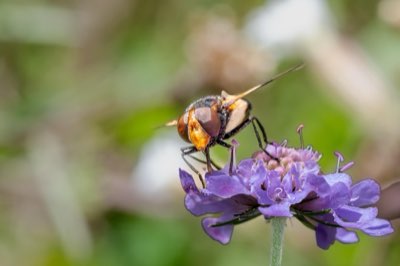
At dawn, sitting by a flowerbed covered in morning dew, you might notice the tiny movements of insects and birds. Among a sea of bright, exotic flowers, watching local creatures find food and shelter makes a garden feel truly alive.
The first step in a sustainable garden is planting "native species"—plants that have evolved to survive in your specific local climate and soil. While exotic plants can be stunningly colorful, they often fail to provide the right food or nesting sites for local birds and pollinators.
Native plants are already adapted to the local weather, meaning they typically require much less water and fertilizer to thrive. This reduces waste while creating a natural sanctuary for local wildlife. Choosing the right plants is the most critical design decision for a healthy ecosystem.
So, beyond selecting plants, how should we structure the garden itself?
Designing a cycle that saves water and soil
On a rainy day, watching water rush into a storm drain makes you realize how much we lose to runoff. During a drought, watching plants wither makes you wonder how to make every drop count.
In sustainable garden design, managing the flow of water is key. This means using rain barrels to capture runoff or using permeable materials that allow water to soak naturally into the ground.
Furthermore, you should establish a cycle where organic matter—like fallen leaves and pruned branches—is turned into compost instead of being thrown away.
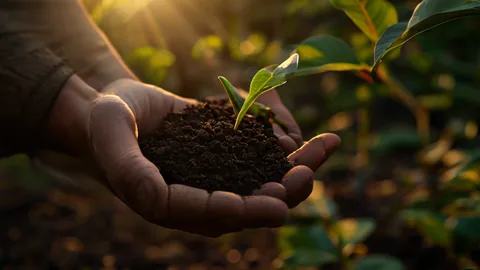
Compost improves soil water retention, helping the ground hold moisture longer, and provides essential nutrients without the need for synthetic chemicals. This cycle of resource reuse is the heart of sustainable gardening.
How can a beginner avoid common pitfalls?

How to avoid failure when starting a sustainable garden
A new tree suddenly wilting or weeds spreading faster than you can pull them can be incredibly frustrating. It is a common experience to start a project with high energy, only to feel overwhelmed by the reality of maintenance.
One of the most common mistakes beginners make is "trying to change everything at once." If you attempt to replace every plant or design a massive landscape overnight, the project will quickly become unmanageable.
You should also avoid over-reliance on chemical pesticides. When you use harsh chemicals to solve a pest problem immediately, you often kill the beneficial insects too, breaking the natural balance of your ecosystem.
Taking a gradual approach and looking for natural solutions is the best way to ensure long-term success.
Here is a step-by-step guide for beginners.
5 Steps to Creating Your First Sustainable Garden
- Analyze your local environment: Observe the sunlight patterns, wind direction, and soil quality in your yard before buying anything. 2. Create a native plant list: Visit a local nursery to find a list of species that are indigenous to your specific region. 3. Plan for water: Incorporate rain collection or drainage plans into your initial layout. 4. Plant incrementally: Start with small sections to improve the soil gradually rather than tackling the whole yard at once. 5. Start the organic cycle: Get into the habit of collecting leaves and plant scraps in a compost bin rather than bagging them for trash.
| Category | Traditional Gardening | Sustainable Gardening |
|---|---|---|
| Plant Selection | Focus on colorful exotic species | Focus on local native species |
| Water Management | Heavy use of sprinklers | Rainwater harvesting and drip irrigation |
| Soil Management | Use of chemical fertilizers/pesticides | Use of compost and organic cycles |
| Biodiversity | Artificial control and monocultures | Providing diverse habitats for wildlife |
Understanding these differences makes managing a garden much more intuitive.
Adapting to different living spaces
If you live in a city apartment without a yard, do not be discouraged. Creating a small balcony garden or a rooftop oasis is also a wonderful way to practice sustainability.
As mentioned earlier, planting on a rooftop can improve building insulation and save on cooling costs. Even a single well-placed pot can help reduce dust and lower the temperature of your immediate living space.
If space is very tight, consider a vertical garden. You can grow a wide variety of plants in a small footprint, gaining both air purification benefits and visual beauty.
Finally, we have gathered some answers to common questions.


Comments 0