Garden soil and compost mix guide for proper drainage
"A well-balanced soil mixture provides the foundation for healthy growth, ensuring proper drainage and nutrient availability."
Achieving the right garden soil and compost mix requires balancing structural elements like sand and topsoil with organic matter. This guide covers standard bioretention ratios, drainage expectations, and preparation methods to ensure your plants thrive in various environments.
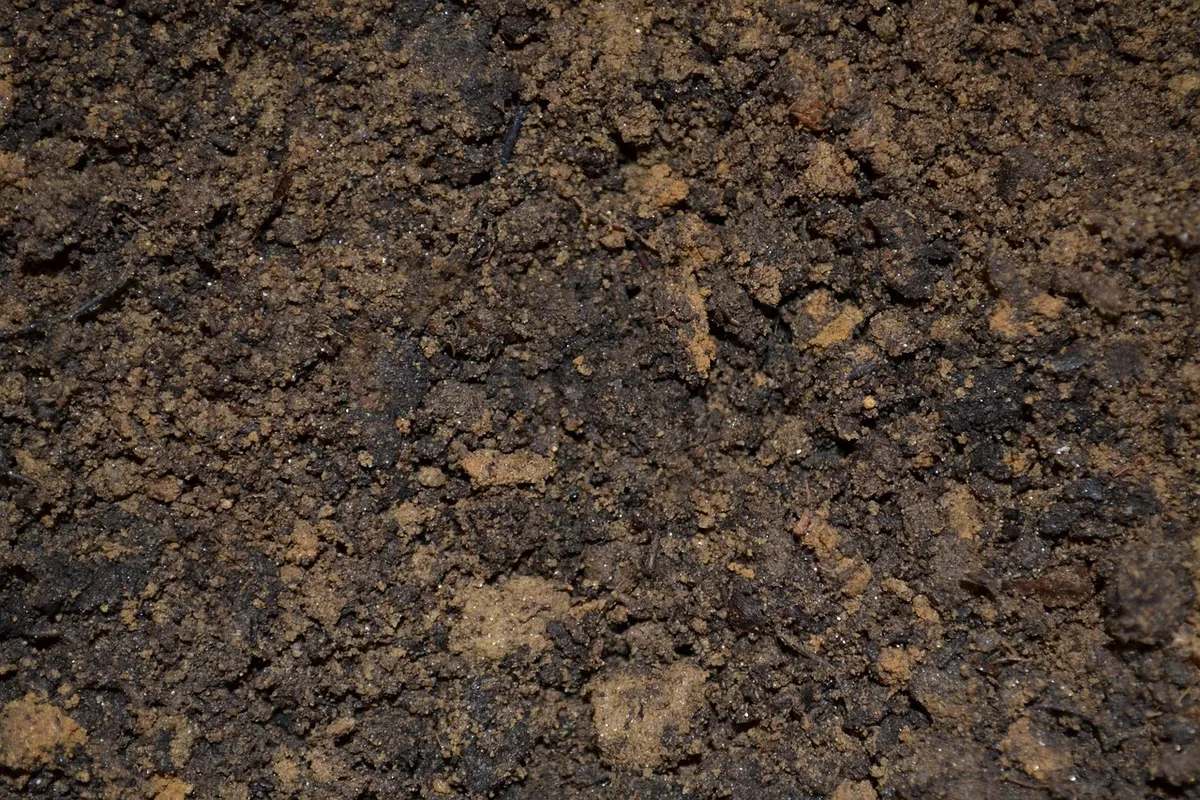
Key takeaways: * A common bioretention mixture uses 60% sand, 20% compost, and 20% topsoil. * Effective rain gardens should drain within 24–48 hours after a storm. * Properly composted material reaching 50–70 °C helps eliminate pathogens.
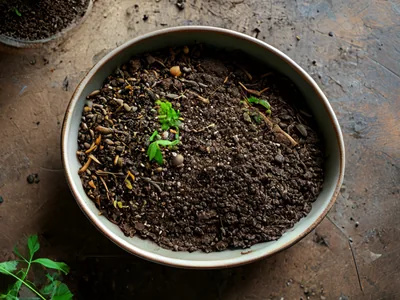
What should my bioretention soil ratio be? A shovel digs into a pile of sand and organic matter to prepare a drainage bed. The bioretention soil mixture typically requires a specific balance of ingredients to manage water effectively.
To ensure proper filtration and structure, the mixture should typically contain 60% sand, 20% compost, and 20% topsoil. This specific combination helps manage water flow while providing necessary nutrients.
Using these proportions helps prevent the soil from becoming too compacted or too loose for plant roots.
How do you ensure proper drainage in a rain garden? Garden soil and compost mix
Rainwater pools in a shallow depression during a heavy downpour. Managing this water requires a mixture that allows for efficient infiltration through the soil layers.
Many design guidelines recommend that rain gardens drain within 24–48 hours following storm events. This rapid drainage prevents stagnant water from becoming a nuisance or a breeding ground for pests. Achieving this timing depends heavily on the sand-to-compost ratio used in the bed.
How can you prepare compost for garden use?
A gardener turns a pile of organic waste to introduce oxygen into the heap. Maintaining the right environment is essential for breaking down materials into usable garden soil.
The process involves managing temperature and oxygen to support beneficial bacteria. For instance, aerobic bacteria require oxygen levels above 5% to perform the processes needed for composting.
Maintaining an air/water balance is also critical to reaching temperatures between 130–160 °F (54–71 °C) until the materials are fully broken down.
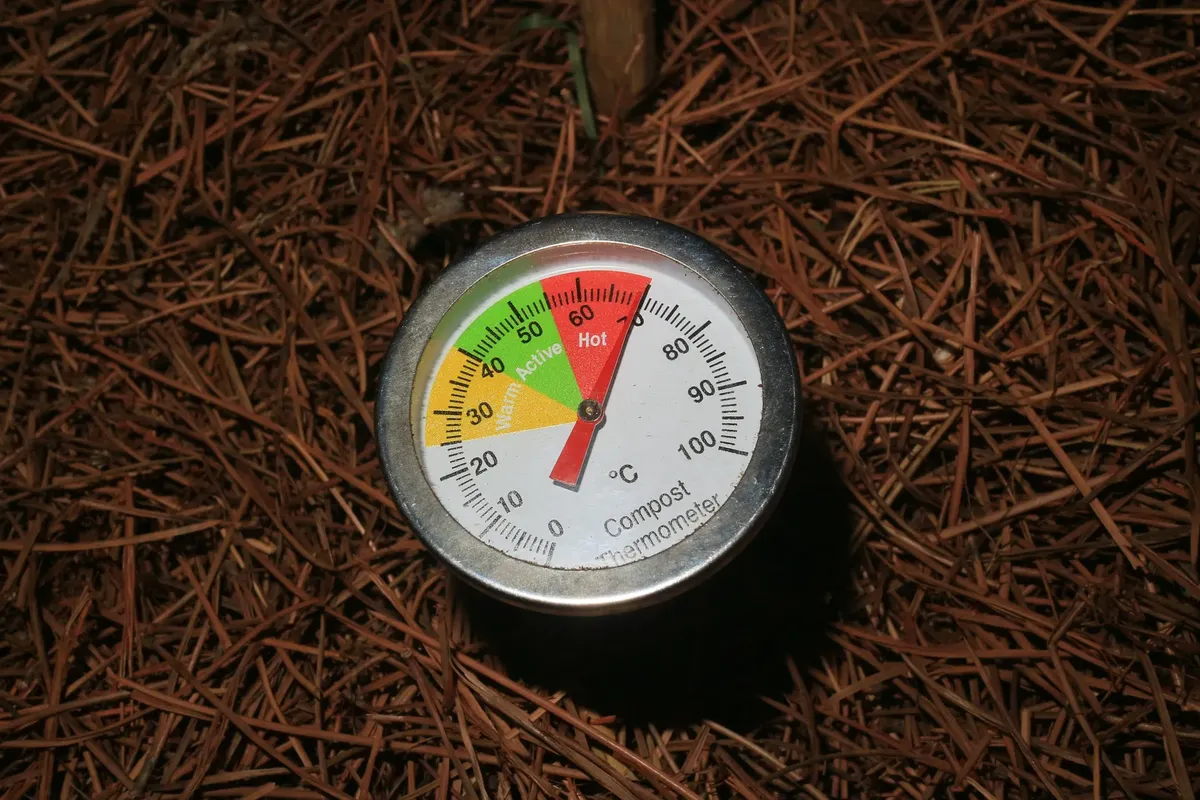
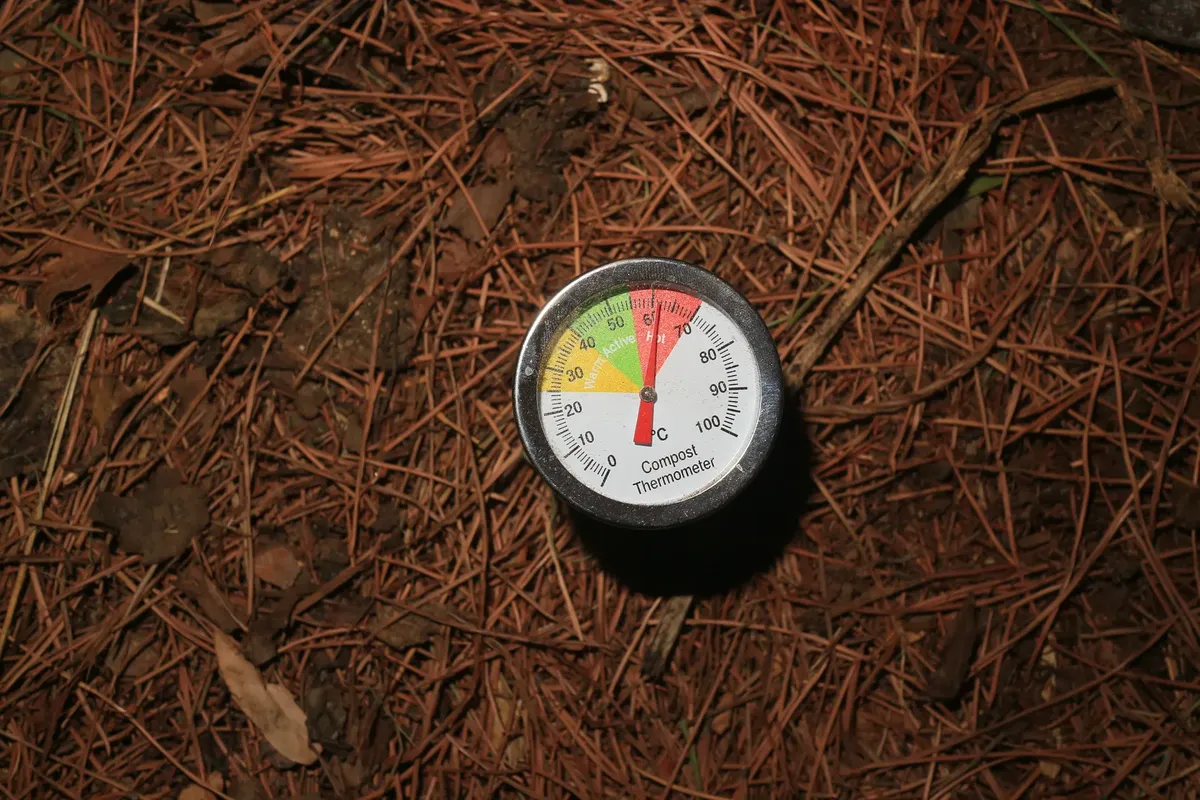
Why should I use high-temperature composting? A thermometer is inserted into a steaming compost pile to check the internal heat. Reaching specific temperature thresholds ensures the material is safe and stable for planting.
When composted material reaches temperatures between 50 and 70 °C (122 and 158 °F), it poses very little risk. These temperatures are high enough to kill pathogens and make oocysts unviable. This makes the finished product safer for direct application in the garden.
Can you prepare soil blocks in advance?
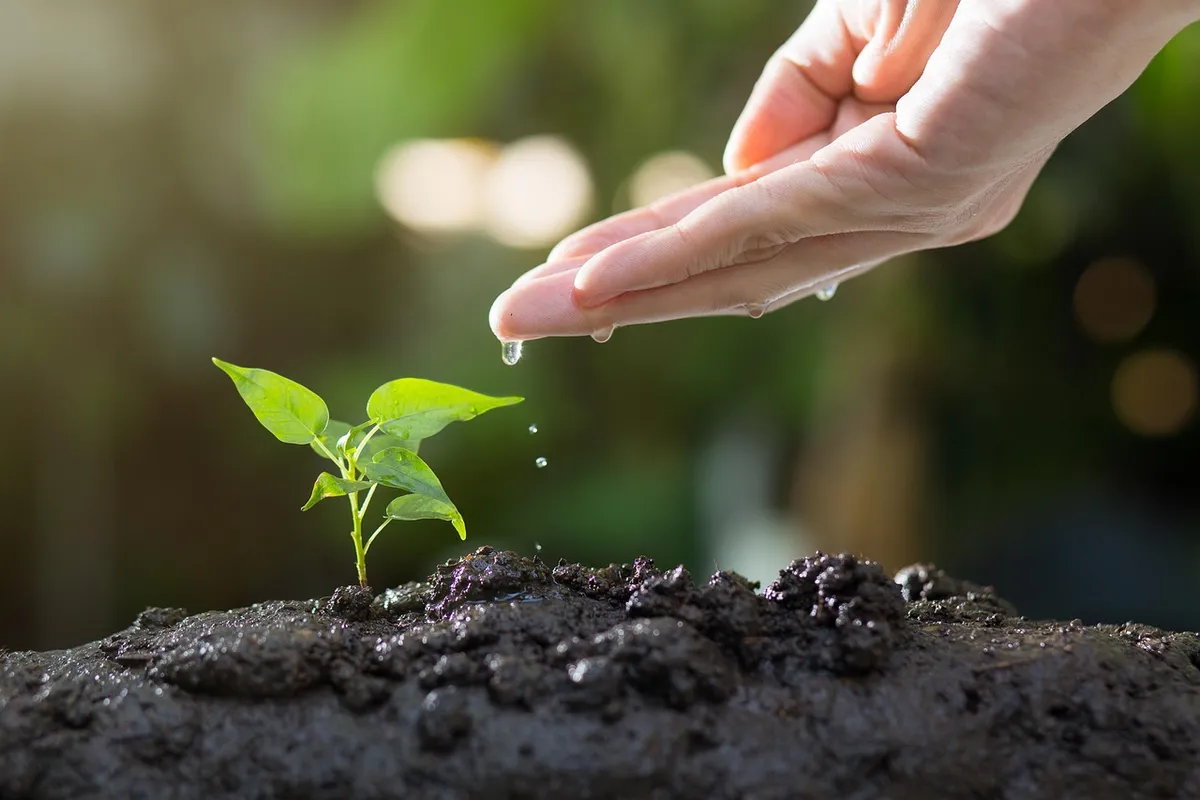
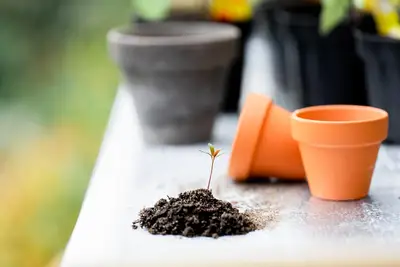
A person carefully presses moist soil into a small mold to create a seedling starter. Preparing materials in batches can save time during the peak growing season.
Some gardeners wonder if it is feasible to prepare blocks in advance, perhaps once every 1–2 months, and store them until needed. This batch-style preparation can reduce the weekly overhead of making potting mix and pots.
However, keeping the blocks stable during storage requires careful moisture management.
Is there a limit to using compost in different regions?
A worker spreads a thin layer of organic material over a prepared planting site. Different regions and regulations can affect how compost is sourced and used.
While compost is widely used, regulatory standards vary by location.
For example, the US is the only Western country that does not distinguish sludge-source compost from green-composts, and by default 50% of US states expect composts to comply in some manner with the federal EPA 503 rule promulgated in 1984 for sludge products.
This means the source of your organic matter may be subject to specific regional safety standards.
The same subject is also called Best soil for garden.
The same subject is also called Compost mixing ratios.
The same subject is also called How to use garden compost.
The same subject is also called Garden soil blend guide.
This part also covers Perfect soil mix for plants.
This part also covers Compost application guide.
This part also covers Balancing garden soil needs.
Perfect soil mix for plants
Related
- Pot soil type guide: Tips for effective soil management
- Composting for garden soil: Tips for best results
What conditions affect the effectiveness of a well-balanced soil mixture? 1. The specific application dictates how the garden soil and compost mix performs, whether in bioretention or raised beds. 2. The correct proportions guarantee the soil meets the required nutrient and drainage standards for plant success. 3. Maintaining a well-balanced soil mixture is crucial because it supports healthy growth by ensuring proper drainage and nutrient availability.
When considering the composition, the comparison between sand, compost, and topsoil determines the mixture's structural integrity. A mixture that is too loose or too compacted will inhibit root development, regardless of nutrient content.
What precautions should be taken when storing prepared soil blocks? 1. Careful moisture management is necessary when storing the prepared soil blocks. 2. Storing these blocks in advance can reduce the weekly effort associated with creating potting mix and pots. 3. This batch preparation method allows gardeners to save time during the busy growing season.
Properly managed storage ensures that the soil blocks retain their intended structure until they are ready for planting. The condition of the moisture level directly impacts the block's stability over time.
Wikipedia: Gardens of Babur Based on the retained excerpt mentioning Afghan Ministry of Information: Since January 16, 2008, the garden has been managed by the independent Bagh-e Babur Trust, with support from Kabul Municipality, the Afghan Ministry of Information and Culture, and the Aga Khan Trust for Culture.


Comments 0