How to make garden compost: Guide to moisture and air
"Composting is an important part of waste management, since food and other compostable materials make up about 20% of waste in landfills."
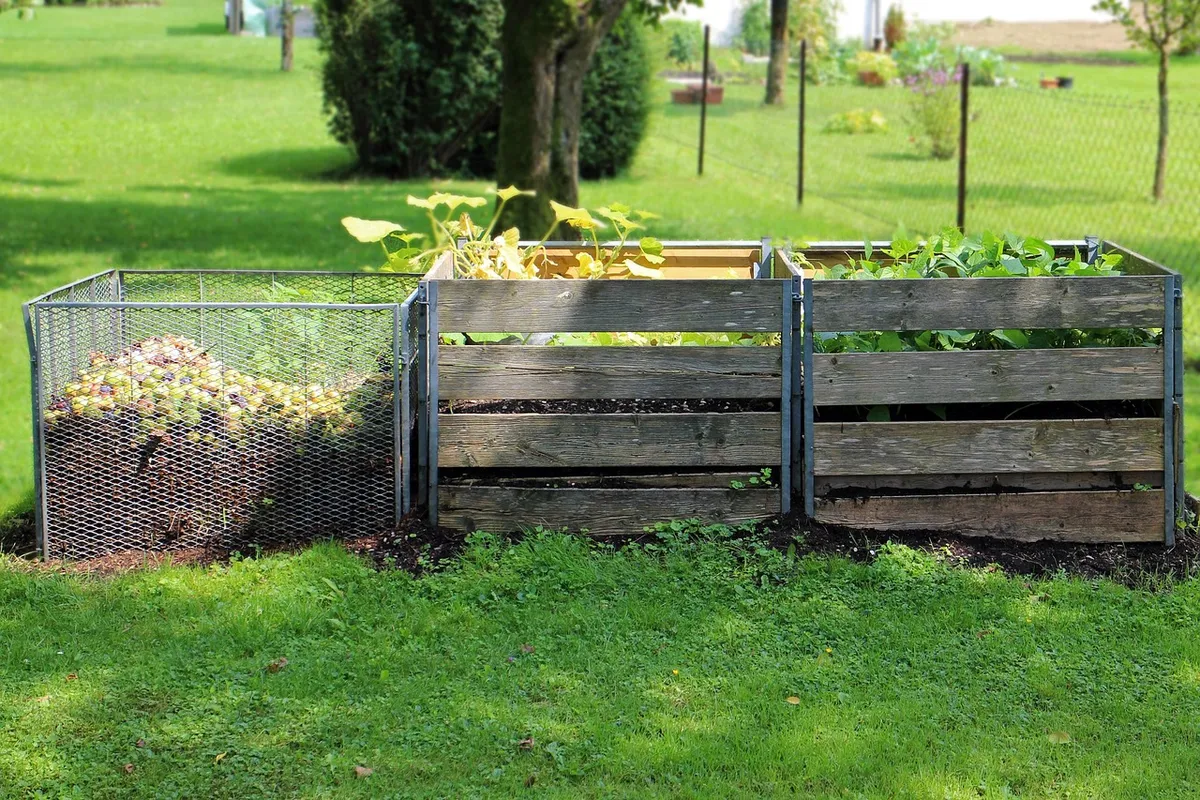
Learning how to make garden compost allows you to divert organic waste from landfills where anaerobic conditions cause materials to take longer to biodegrade.
This guide covers the essential balance of oxygen and moisture, the benefits of high-temperature decomposition, and the specific methods used to accelerate the process. You will learn about the Berkeley method, the importance of the air/water balance, and how to manage biological activity.
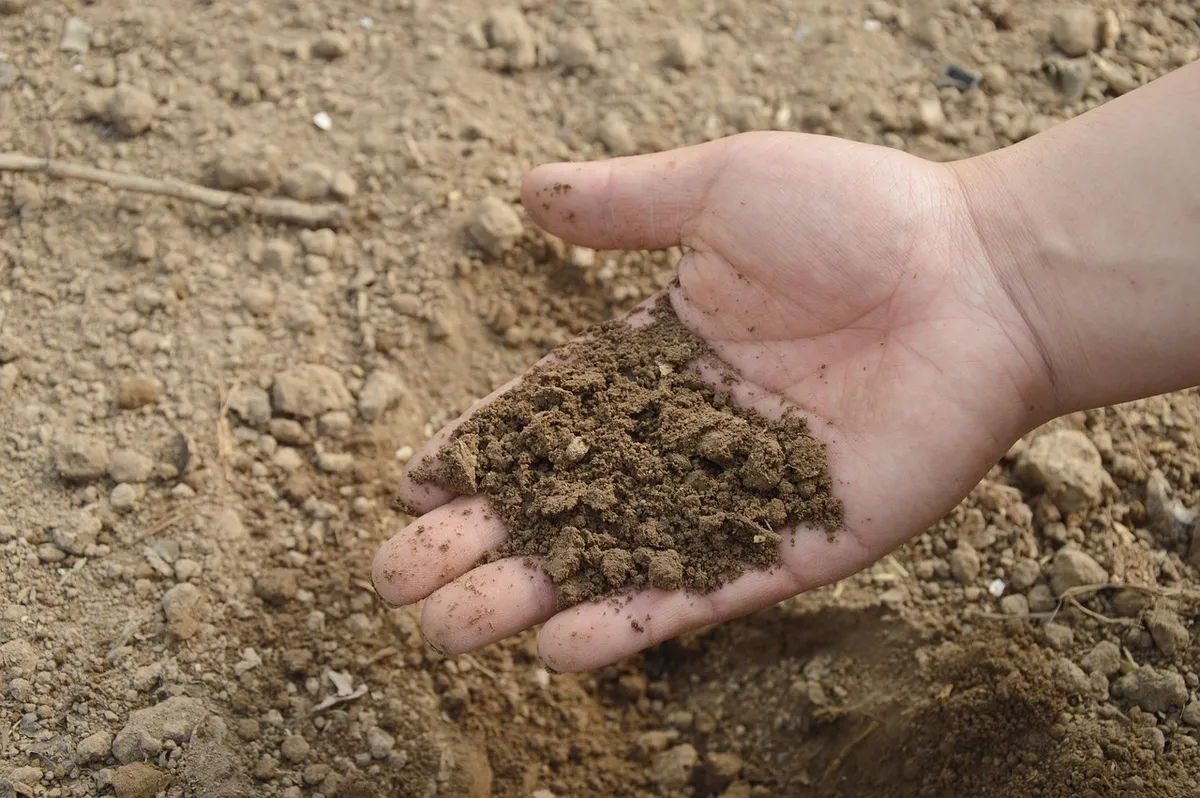
This information is for home gardeners and waste managers looking to create nutrient-rich soil amendments.
Why is managing organic waste important?
As the sun sets over the backyard, I heave a heavy bag of scraps into the bin to make sure nothing goes to waste.
A gardener stands over a bin of vegetable scraps, considering the sheer volume of organic matter produced weekly. Managing organic waste through composting is vital because food and other compostable materials represent approximately 20% of the waste found in landfills.
Because of the anaerobic conditions present in landfills, these materials take longer to biodegrade compared to aerobic environments.
Effective waste management through composting reduces the burden on landfill sites. It also transforms potential waste into a valuable resource for soil health. By understanding the biological processes, you can manage this 20% of waste more efficiently at home.
Properly managing organic waste reduces the amount of material sent to landfills and helps cycle nutrients back into the soil.
How do you maintain the right environment? How to make garden compost
I grip the wooden handle tightly at noon, turning the pile to make sure the damp earth smells fresh.
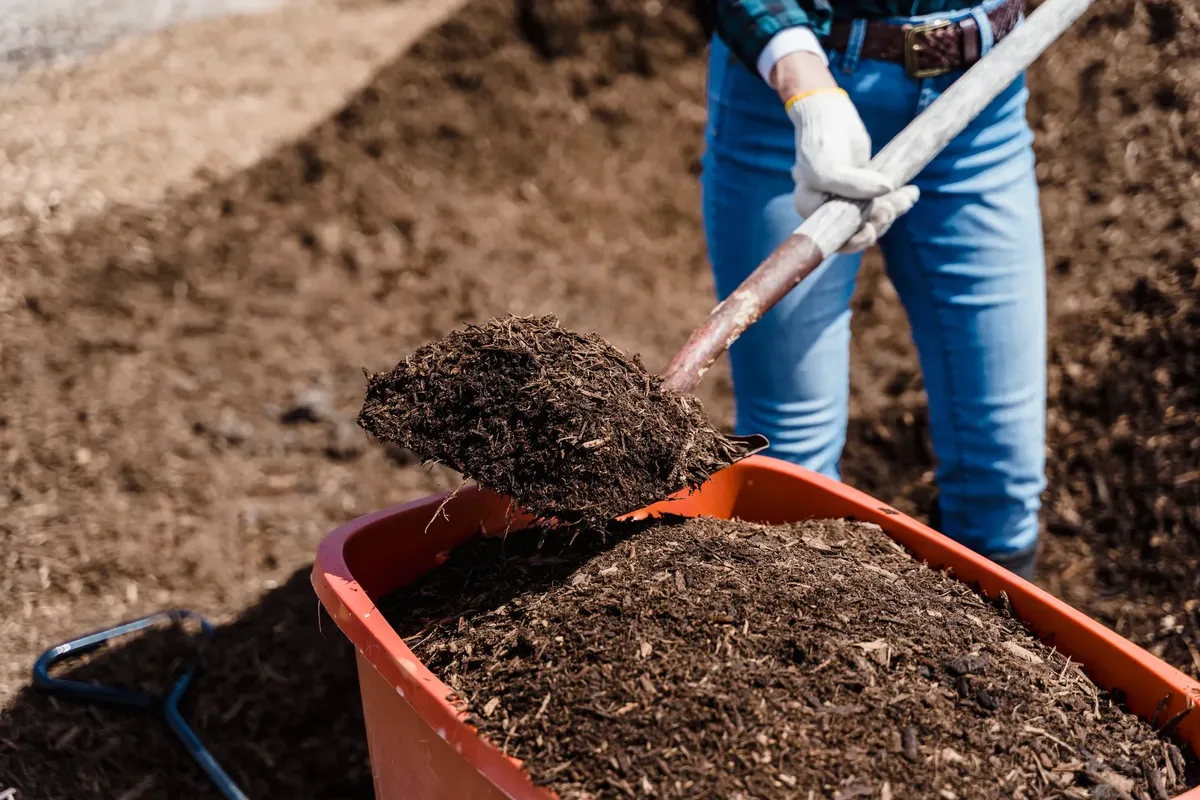
A shovel turns a steaming pile of organic matter, checking for the right level of moisture and air. Maintaining the air/water balance is critical to keeping temperatures between 130–160 °F (54–71 °C) until the materials are fully broken down.
Aerobic bacteria also require oxygen levels to remain above 5% to perform the necessary processes for successful composting.
The balance of air and water ensures the microorganisms remain active. If the pile becomes too wet or too dry, the decomposition process can stall. Keeping oxygen levels above 5% prevents the pile from becoming anaerobic.
- Monitor moisture levels to ensure the pile remains damp but not soaked.
- Turn the pile regularly to provide aeration.
- Balance carbon-rich and nitrogen-rich materials.
What are the benefits of high temperatures?
A thermometer is inserted into the center of a dark, rich compost pile to check the heat. Reaching high temperatures is a primary goal of the composting process. For instance, the Berkeley method is known to produce finished compost in just 18 days.
High heat serves several functions in a healthy pile. When microorganisms finish digesting organic matter and the temperature reaches between 50 and 70 °C (122 and 158 °F), the resulting material poses very little risk.
These specific temperatures are effective because they kill pathogens and make oocysts unviable.
In this sequence, the second step is the most critical for killing pathogens and weed seeds.
How do bacteria affect the process?
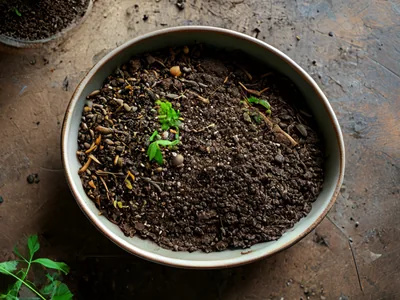
A scientist examines a soil sample, noting the presence of various microscopic organisms. The biological activity within a pile is driven by different types of bacteria. For example, thermophilic bacteria do not reproduce and are not active when temperatures fall between −5 and 25 °C (23 and 77 °F).
Understanding these temperature ranges helps in managing a pile. While thermophilic bacteria are active at higher heats, they remain inactive in cooler soil environments. Using these temperature insights helps you manage the breakdown of organic matter effectively.
Microorganisms break down organic matter, converting complex materials into stable humus.
How do you apply finished compost to the garden?
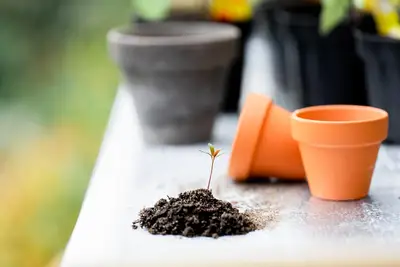
A gardener spreads a dark, crumbly layer of organic matter across a prepared garden bed. Once the compost is ready, application depends on the specific gardening goal. It is common to see blends containing 20–30% compost used specifically for transplanting seedlings.
| Application Type | Typical Rate/Amount |
|---|---|
| Seedling Transplanting | 20–30% compost blends |
| Soil Rebuilding/Erosion Control | 25 mm (0.98 in) or more |
I have personally found that using these different rates helps tailor the soil to the specific needs of new plants. For tasks like rebuilding poor soils or controlling erosion, application rates of 25 mm (0.98 in) or more are not unusual.
Spread the compost over the soil surface or mix it into planting holes to enrich the growing medium.
What are the regulatory and safety considerations?
A researcher reviews environmental reports regarding sludge-sourced biosolids and chemical levels. It is important to recognize that the US is the only Western country that does not distinguish sludge-source compost from green-composts.
According to the EPA, the US is the only Western country that does not distinguish sludge-source compost from green-composts, and by default 50% of US states expect composts to comply in some manner with the federal EPA 503 rule promulgated in 1984 for sludge products.
By default, 50% of US states expect composts to comply in some manner with the federal EPA 503 rule promulgated in 1984 for sludge products.
Safety concerns remain a factor in certain types of composting. There are health risk concerns regarding PFASs ("forever chemicals") levels in compost derived from sewage sludge sourced biosolids, and the EPA has not set health risk standards for this.
Always be aware of the source of your organic matter.
Always wear gloves when handling compost and follow local ordinances regarding waste management and backyard composting.
The subject here is How to make garden compost.
The same subject is also called DIY compost making guide.
The same subject is also called Best garden soil amendment.
The same subject is also called Compost for home garden.
The same subject is also called Making organic fertilizer.
This part also covers Compost turning and moisture tips.
This part also covers What not to put in compost.
This part also covers Compost curing time guide.
Compost turning and moisture tips
Related
Comments 0