Soil composition for garden: Choosing garden soil type guide
"The soil is the foundation of the garden, a living matrix of minerals and biology that supports the weight of the world above it."
Choosing garden soil type requires an understanding of the delicate balance between solid matter and empty space. This guide helps you evaluate density, pore space, and biological health to ensure your plants have the right environment to thrive.
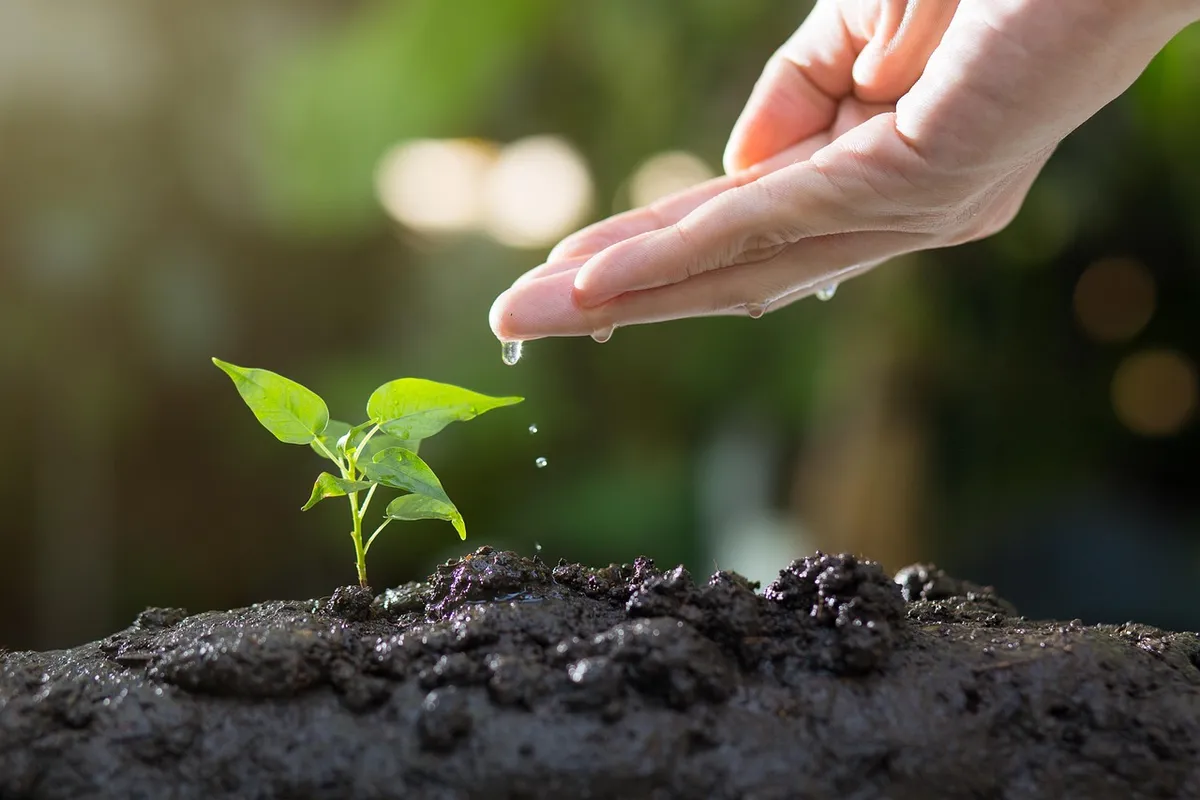
You will learn about soil composition, the importance of voids for respiration, and how to identify a healthy living matrix.
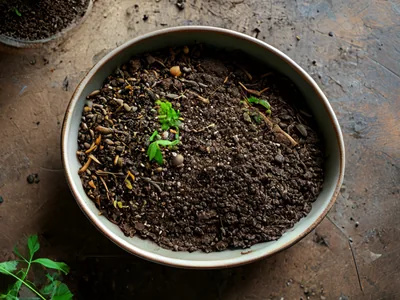
What exactly makes up my garden's foundation? At dawn, I plunge my fingers into the dark soil and feel the gritty texture of the minerals.
A gardener reaches into a dark handful of earth, feeling the weight and texture of the minerals. A typical soil consists of about 50% solids, which is composed of 45% mineral matter and 5% organic matter. The remaining 50% is made of voids, or pores.
These voids are essential for life, as half of the pore space is occupied by water and the other half by gas. This balance allows for the movement of nutrients and the breathing of roots. Understanding this split is the first step in managing garden soil health.
- Identify the mineral composition of the base soil.
- Assess the organic matter content.
- Check the drainage capabilities of the ground.
How much space do roots need to breathe? Choosing garden soil type
A trowel moves through the dirt, revealing the tiny pockets of air between grains. In these voids, gas exchange is critical for plant survival. While atmospheric CO2 concentration is 0.04%, the concentration in soil pore space can range from 10 to 100 times that level.
This high concentration can potentially contribute to the inhibition of root respiration if the soil is too compacted. Proper aeration ensures that gases can move freely, preventing the suffocating of delicate root systems.
Selecting soil for garden plants requires maintaining these vital air pockets.
In this sequence, the second step is the most extensive.
Is my soil density right for planting? A heavy shovel hits a hard patch of ground, revealing a dense, packed surface. Most soils have a dry bulk density between 1.1 and 1.6 g/cm3. This is much lower than the soil particle density, which typically ranges from 2.6 to 2.7 g/cm3.
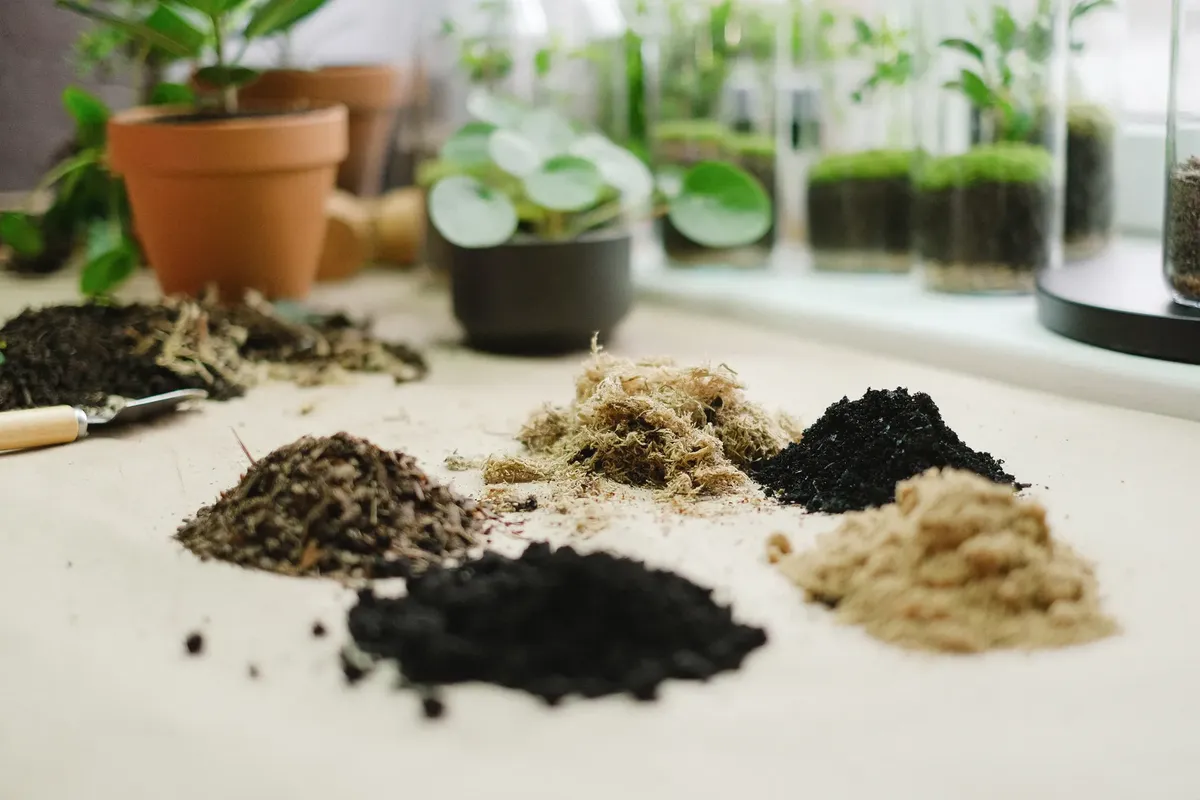
The difference between these two numbers represents the empty space within the soil structure. If the bulk density becomes too high, the soil becomes too compacted for roots to penetrate. Finding the right soil for plants means managing this density to preserve the necessary pore volume.
What kind of life lives in the dirt?
A magnifying glass hovers over a patch of damp earth, revealing a hidden world of movement. Soil is a massive reservoir of life, with a recent study suggesting it is likely home to 59 ± 15% of the species on Earth. This biological diversity is a key component of soil composition for garden success.
The living component of an acre of soil may include 900 lb of earthworms, 2400 lb of fungi, 1500 lb of bacteria, 133 lb of protozoa, and 890 lb of arthropods and algae. This complex web of life works to cycle nutrients and maintain the structure of the soil.
| Component | Typical Composition |
|---|---|
| Solids | 50% (45% Mineral, 5% Organic) |
| Voids (Pores) | 50% (Half Water, Half Gas) |
How do I measure soil health through its biology?
A hand gently shakes a handful of soil, watching how the various organisms interact with the grains. A typical soil has a biomass composition of 70% microorganisms, 22% macrofauna, and 8% roots. This distribution shows how much of the active soil mass is actually living.
Different organisms have different levels of reliance on the soil environment. For example, Enchytraeidae (potworms) have the greatest percentage of their species living in soil at 98.6%. This is followed by fungi at 90%, plants at 85.5%, and termites at 84.2%.
What are the steps to evaluate soil quality?
A gardener carries a sample of soil to a testing kit to begin a formal evaluation. To assess your ground, follow these steps:
- Check the physical texture to determine if the mineral-to-organic ratio is balanced. 2. Observe the drainage to ensure the 50% void space is effectively managing water and gas. 3. Test for biological activity to ensure the presence of microorganisms and macrofauna.
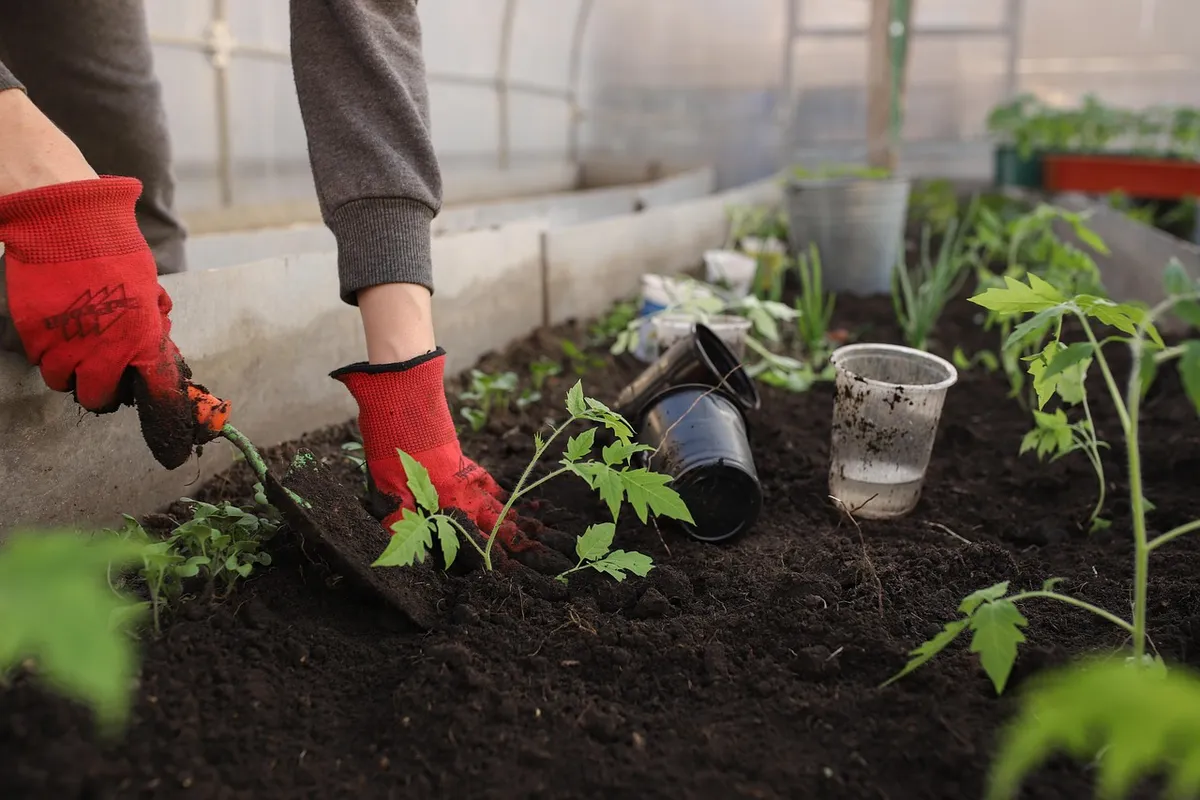
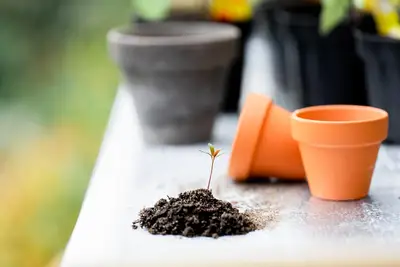
I compared these physical and biological traits during my own soil testing to see if the density felt right for my seedlings. A final check involves ensuring the soil is not so dense that it inhibits root respiration due to high CO2 levels.
The subject here is Choosing garden soil type.
The same subject is also called Best soil for garden.
The same subject is also called Garden soil selection guide.
The same subject is also called How to pick potting mix.
Soil composition for garden
Related
- Garden soil and compost mix guide for proper drainage
- Pot soil type guide: Tips for effective soil management
How does soil structure affect nutrient availability? 1. The organic matter within the solids contributes to the soil's ability to hold onto nutrients. 2. The void space influences how easily water, which carries dissolved nutrients, can move through the soil. 3. A balanced structure ensures that nutrients are accessible to the roots while preventing leaching into lower layers of the soil.
This relationship between structure and nutrient availability highlights the importance of maintaining the correct balance between solids and voids in the soil foundation.
When the soil becomes overly dense, the movement of water slows, which consequently restricts the uptake of essential elements by the plants.
The mineral matter provides the physical framework of the soil, offering surfaces where nutrients can adhere. The organic matter, being a biological component, actively participates in nutrient cycling within the soil matrix.
Proper management of the soil structure supports this chemical interaction.
What are the risks of poor soil aeration? Poor aeration presents a serious condition for plant health because it impedes gas exchange within the soil. If the soil is too compacted, the pore space becomes dominated by water rather than gas, leading to anaerobic conditions. This lack of oxygen severely limits the respiration of the plant roots, which is crucial for energy production.
When gas movement is restricted, the concentration of carbon dioxide in the soil pore space can rise significantly above atmospheric levels. This elevated concentration acts as a direct inhibitor to the root respiration process.
Therefore, maintaining adequate void space is a critical caution when managing the soil foundation.

Comments 0