Compost making guide: How to make compost for garden
"Composting is an important part of waste management, since food and other compostable materials make up about 20% of waste in landfills."
Learning how to make compost involves managing biology and environment to turn waste into soil. This guide covers essential aeration requirements, temperature management, and application techniques for gardens.
Key takeaways include maintaining oxygen levels, managing heat for pathogen destruction, and understanding specific application rates for different soil needs.
How to make compost through biological management?
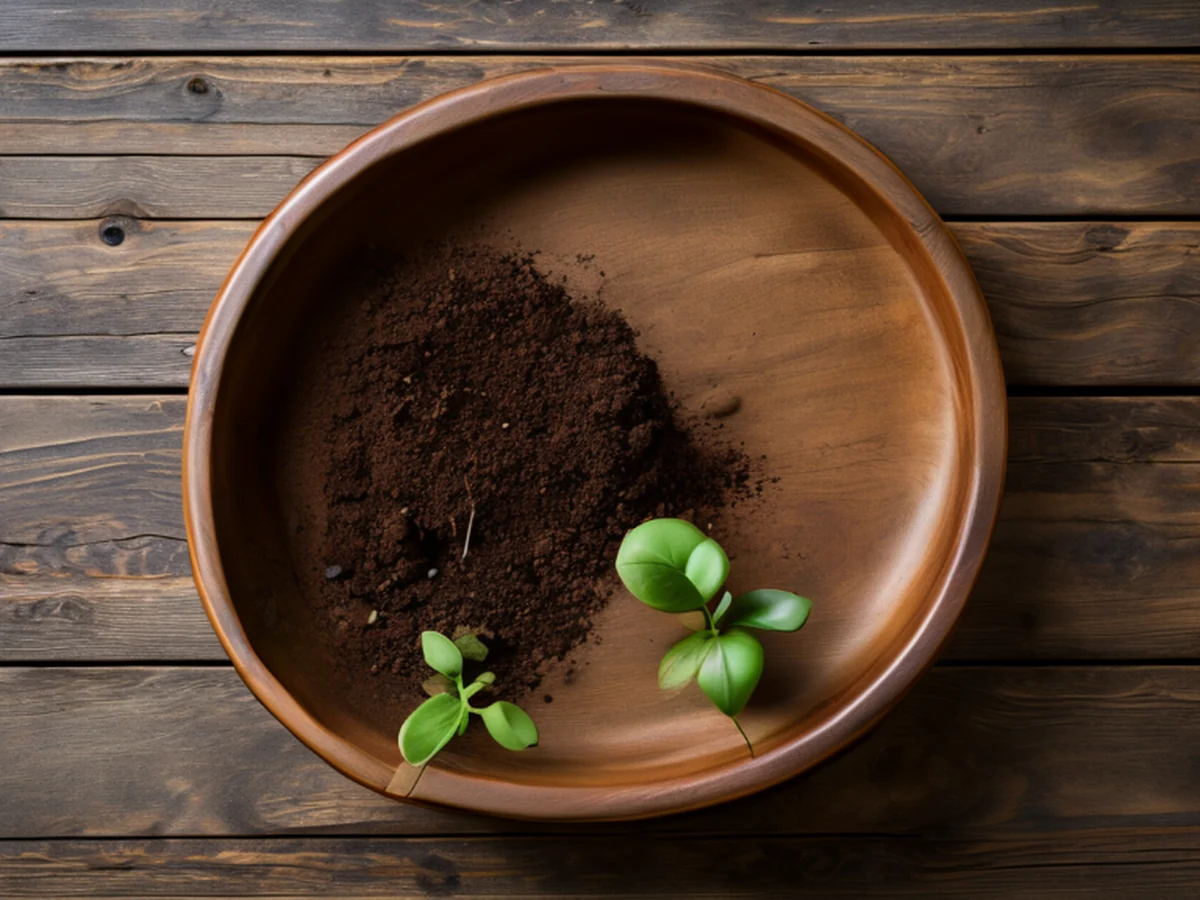
At dusk in the backyard, I plunge a pitchfork into the steaming pile to stir the fermenting compost.
A pile of organic matter sits in the backyard, slowly transforming as microscopic life takes over. To ensure successful decomposition, aerobic bacteria need oxygen levels above 5% to perform the processes needed for composting.
Without sufficient air, the pile becomes anaerobic, which slows the breakdown process significantly.
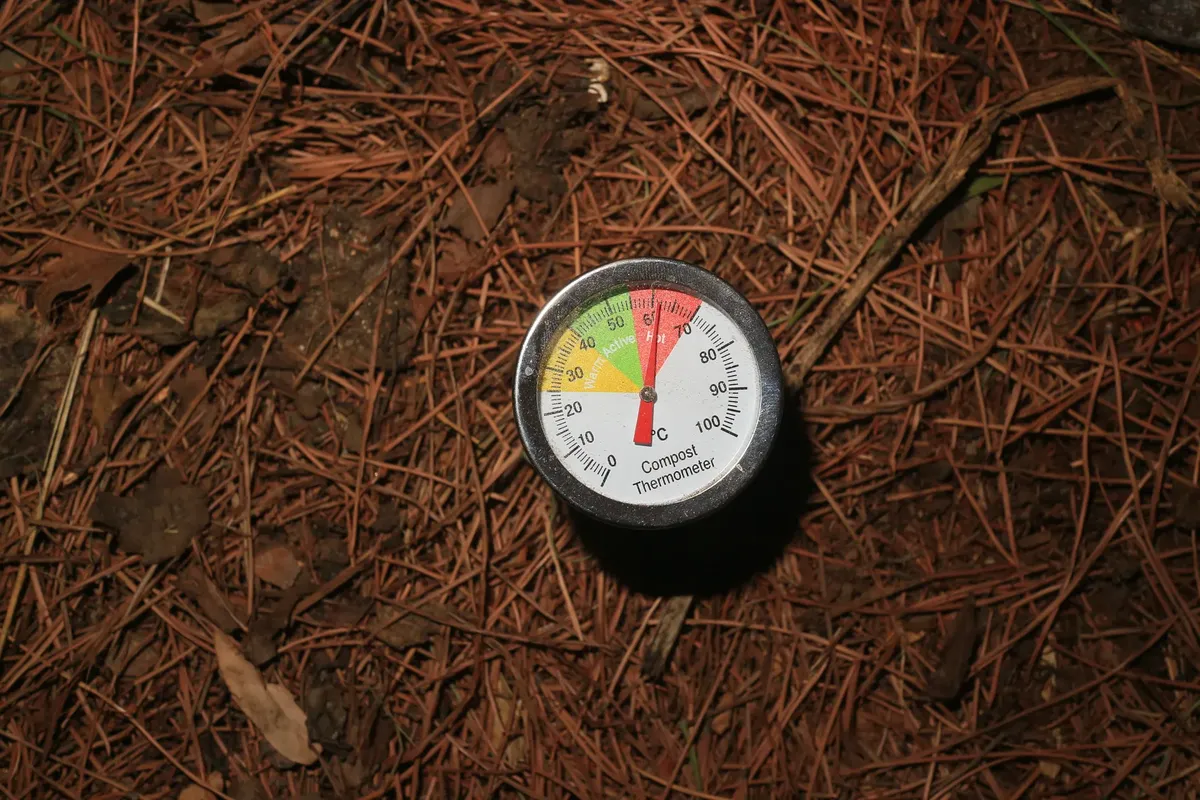
Maintaining an air/water balance is critical to maintaining high temperatures 130–160 °F (54–71 °C) until the materials are broken down. If the pile is too wet, oxygen cannot reach the bacteria, but if it is too dry, the biological activity stalls.
Finding the right balance keeps the decomposition moving forward.
Thermophilic bacteria thrive at higher temperatures, reaching 40–60 °C (104–140 °F) in typical mixes. These bacteria are essential for the heat-intensive stages of the process. Managing the pile ensures these organisms can effectively break down complex organic materials.
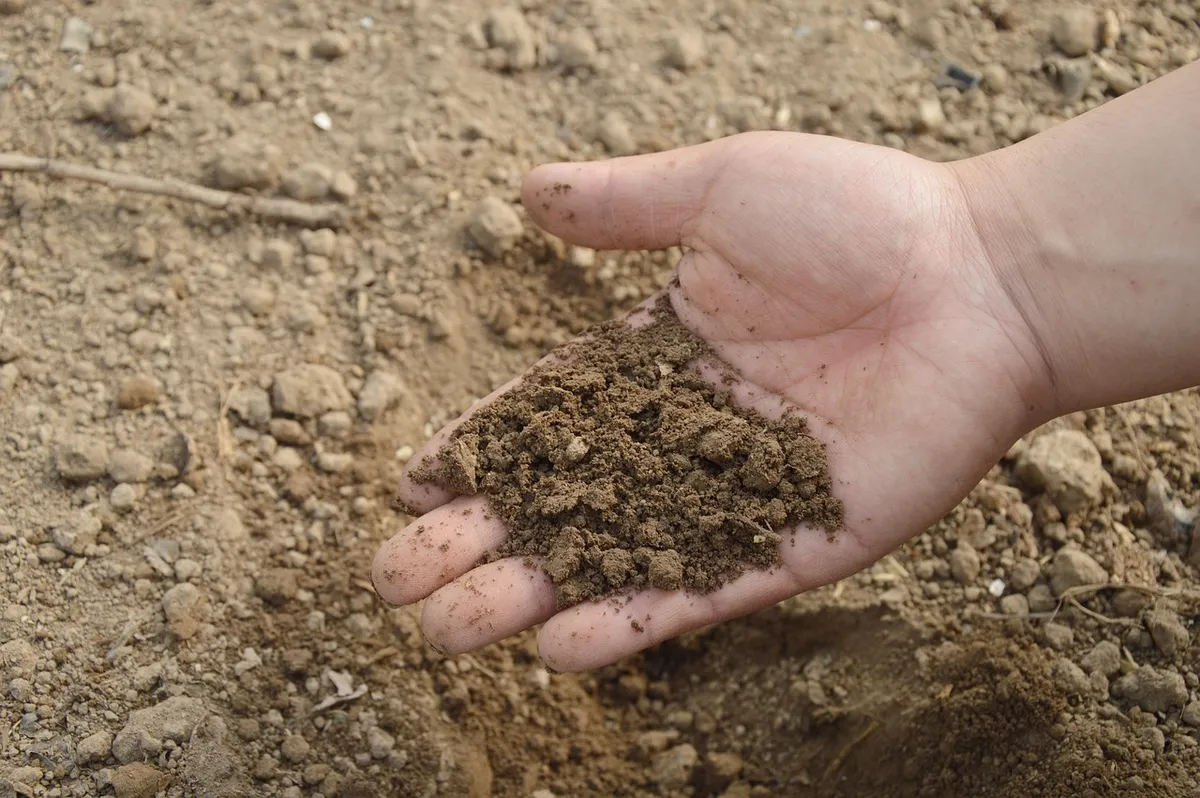
- Layer nitrogen-rich green materials with carbon-rich brown materials.
- Maintain moisture levels similar to a wrung-out sponge.
- Aerate the pile regularly to support aerobic microbial activity.
How can I make compost faster? In the bright morning sun, I feel the intense heat radiating from the pile as I turn the fresh compost.
A gardener turns a heap of organic material, looking for signs of completion. While natural decomposition takes time, certain techniques can accelerate the process. For example, the Berkeley method produces finished compost in 18 days.
This rapid method relies on precise management of nitrogen and carbon sources to keep the microbial activity at its peak. While the Berkeley method is much faster than traditional methods, it requires much more frequent turning and monitoring.
The goal of these recipes is to create a stable end product where microorganisms have finished digesting the organic matter.
When the temperature has reached between 50 and 70 °C (122 and 158 °F), the material poses very little risk, as these temperatures kill pathogens and even make oocysts unviable.
In this order, the second step is the longest.
How to use garden compost in various soil conditions?
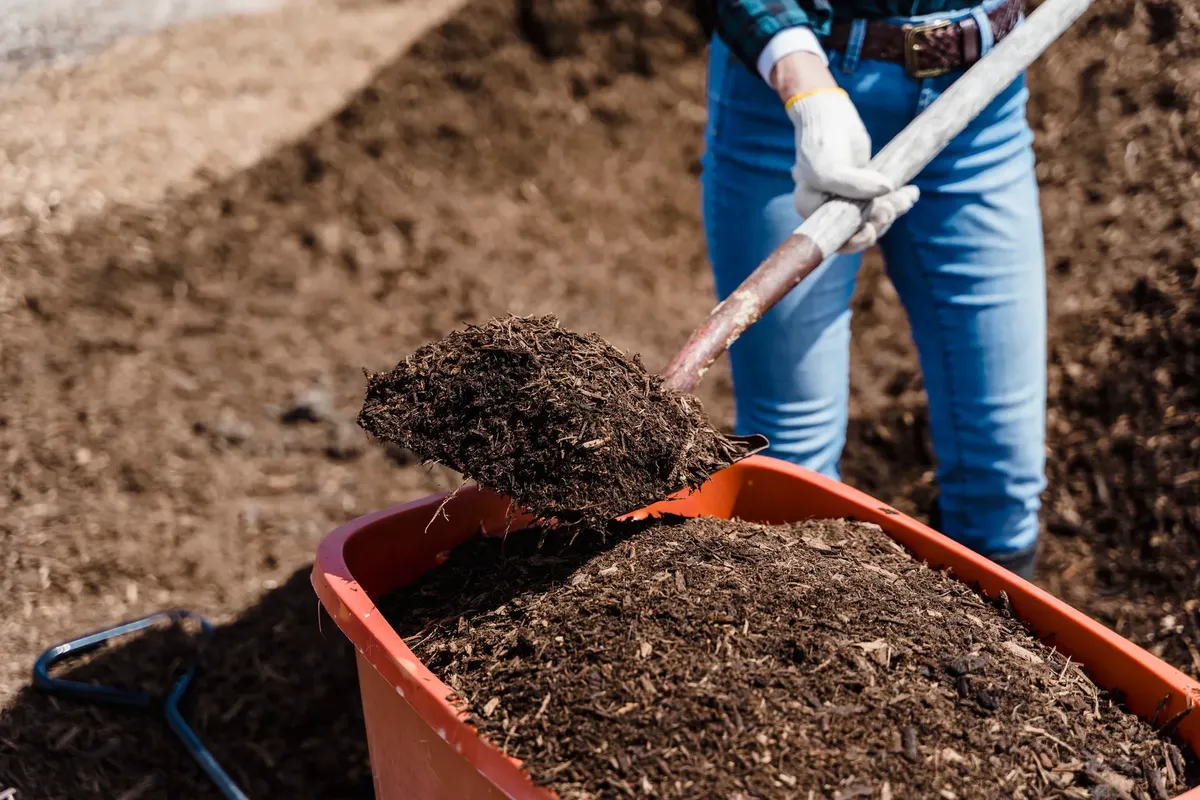
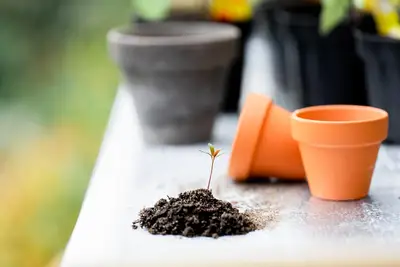
A shovel dips into a dark, earthy pile ready for the garden beds. Using the finished material requires understanding the specific needs of the planting site. It is very common to see blends of 20–30% compost used for transplanting seedlings.
Different scenarios require different application depths. For instance, it is expected that the spread layer is very thin, approximately 6 mm (0.24 in), and worked into the soil prior to planting. This thin layer provides a nutrient boost without overwhelming young roots.
When dealing with more severe soil issues, larger amounts may be necessary. Application rates of 25 mm (0.98 in) or more are not unusual when trying to rebuild poor soils or control erosion.
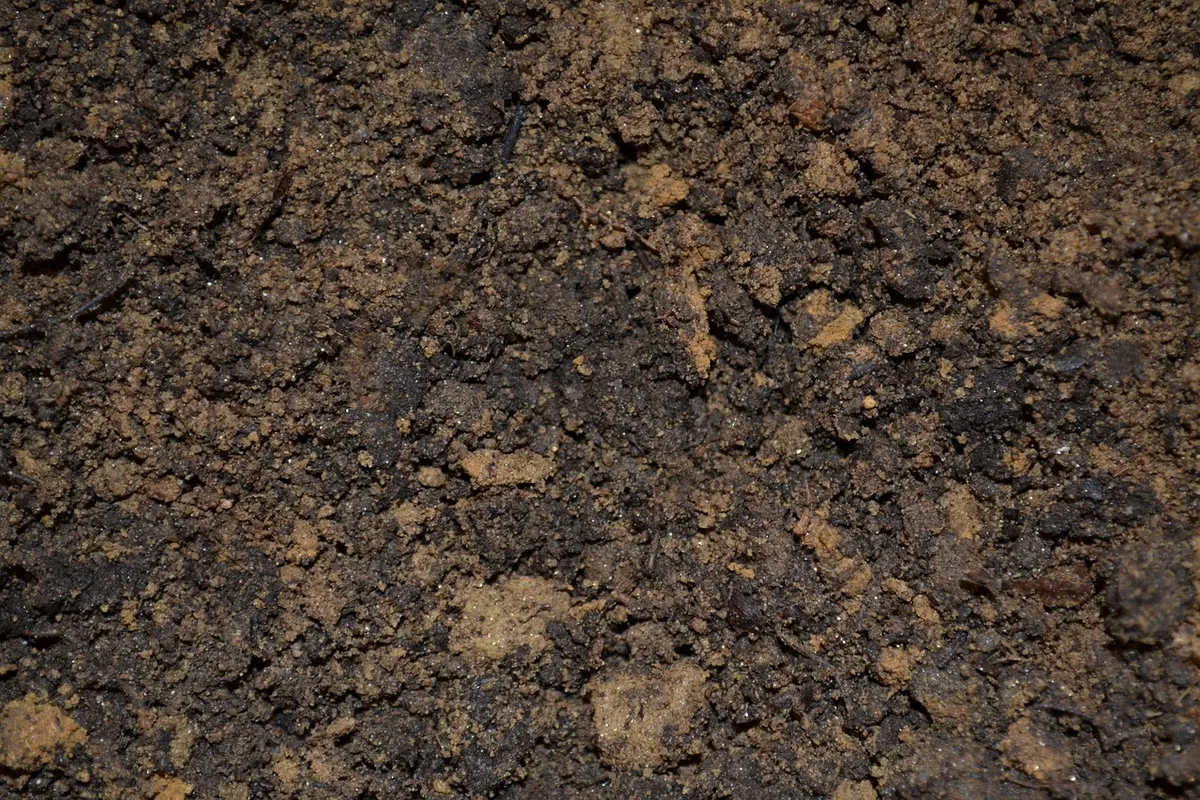
I remember checking the depth of my own garden beds to ensure the organic layer was sufficient for the season.
How do I compost with my specific limitations? A cold wind blows across a garden, and the compost pile remains dormant. Temperature fluctuations can significantly impact the speed of decomposition. Thermophilic bacteria do not reproduce and are not active between −5 and 25 °C (23 and 77 °F), yet are found throughout soil.
When the temperature drops into this range, the high-heat processes stop, though other microbes may still be active. The pile must be managed to reach higher temperatures to ensure complete breakdown.
A limitation of composting is that environmental conditions, such as extreme cold, can stall the thermophilic stage where pathogens are typically destroyed.
Understanding the risks and regulations of compost sources
A person examines a bag of compost, wondering about its origin and safety. In the United States, the regulatory landscape is unique.
The US is the only Western country that does not distinguish sludge-source compost from green-composts, and by default 50% of US states expect composts to comply in some manner with the federal EPA 503 rule promulgated in 1984 for sludge products.
There are also modern concerns regarding specific contaminants.
| Application Type | Typical Rate/Percentage |
|---|---|
| Seedling Transplants | 20–30% blends |
| Soil Rebuilding | 25 mm (0.98 in) or more |
The subject here is How to make compost.
The same subject is also called Compost making guide.
The same subject is also called DIY compost bin.
The same subject is also called Best compost recipes.
The same subject is also called Using garden compost.
This part also covers Compost for home garden.
This part also covers Compost management tips.
This part also covers Compost ingredients guide.
Compost for home garden
Related
- Basic flower growing guide: Tips for 40 °C survival
- Gardens by the Bay design: How to create urban oasis
What are the specific health concerns related to compost origins? The health risk concerns about PFASs are specifically tied to compost derived from sewage sludge sourced biosolids. Composting is an important activity, but the source material must be examined for these potential risks.
Maintaining an air/water balance is critical for the pile of organic matter to reach high temperatures. If the pile is too wet, the oxygen cannot reach the bacteria, which prevents the decomposition from proceeding efficiently.
Conversely, if the pile is too dry, the biological activity stalls entirely, halting the process.
When dealing with the rapid results sought by a gardener, the precise management of nitrogen and carbon sources is key to keeping microbial activity at its peak. This management allows the thermophilic bacteria to effectively break down complex organic materials.
Using the finished compost in different soil conditions requires careful consideration of the planting site's specific needs. For instance, when transplanting seedlings, a blend containing 20–30% compost is commonly applied.
For rebuilding poor soils, application rates of 25 mm or more are sometimes necessary to control erosion and improve structure.
Temperature fluctuations pose a significant condition to the composting process. When the temperature drops into the range of −5 to 25 °C, the high-heat processes cease, although other microbes may still be active within the pile.
The pile must be managed to reach higher temperatures to ensure the complete breakdown of the organic matter.
Wikipedia: Compost
Comments 0