Tree shrub selection guide: Tips for choosing garden trees
Selecting the right plants for your outdoor space requires balancing aesthetic vision with environmental realities. This guide provides essential criteria for choosing trees and shrubs to ensure long-term success in your garden. You will learn how to evaluate site conditions, growth habits, and maintenance needs to prevent common landscaping errors. 1. Evaluate sunlight and soil conditions first. 2. Consider the mature size of the plant. 3. Match species to your specific hardiness zone.
How to master tree shrub selection?
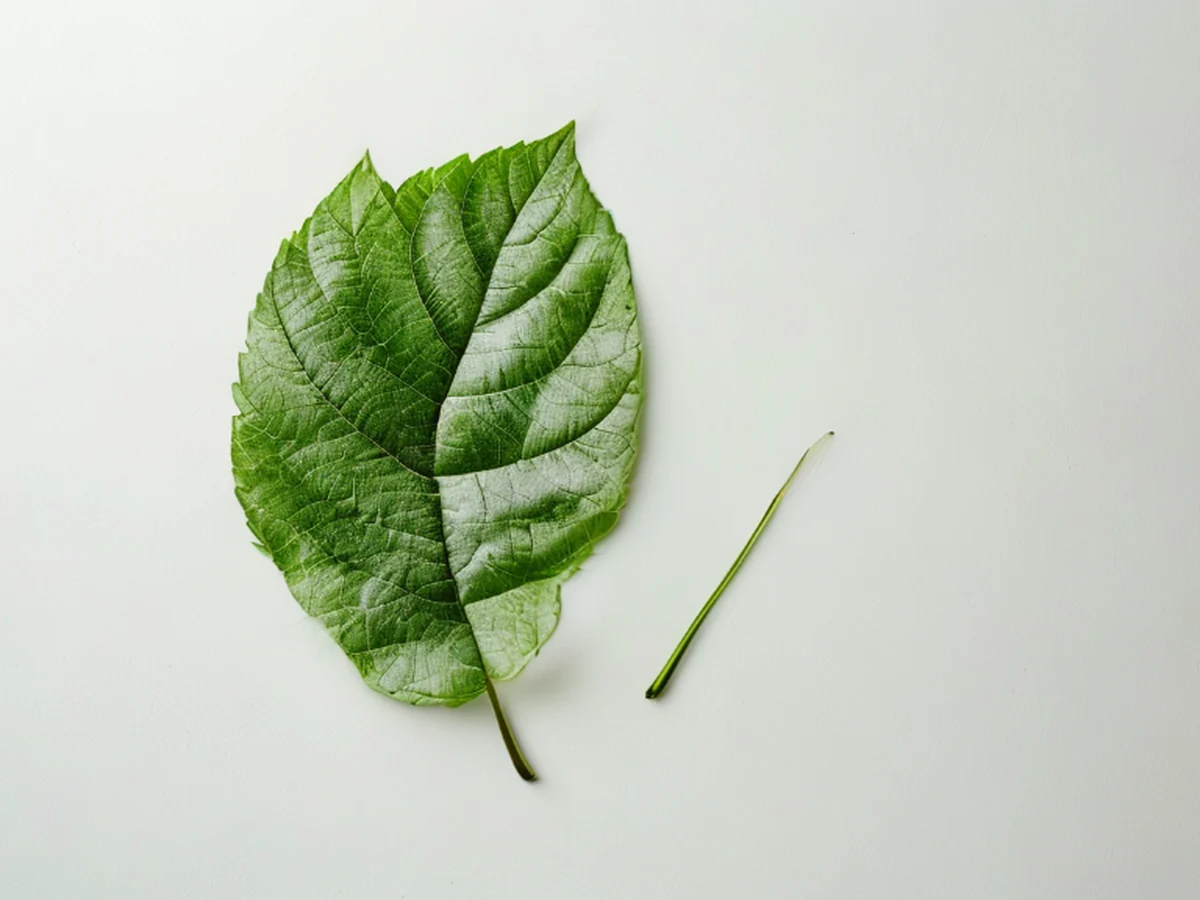
Walking through a nursery with a notebook in hand helps ground the selection process in reality. I often find myself staring at a sapling and wondering if it will eventually overshadow my entire patio.
To make an informed decision, you must look beyond the immediate beauty of a flowering branch. A successful tree shrub selection guide focuses on the relationship between the plant's biological needs and your yard's unique topography.
First, assess the sunlight exposure of your planting site. Some species require full sun to thrive, while others will scorch without dappled shade. You must also test your soil texture and drainage capabilities.
Second, investigate the mature spread and height of the specimen. Choosing a plant that looks perfect today but grows to overwhelm your house tomorrow is a common mistake. Always check the potential canopy width to maintain proper spacing.
Third, verify the plant's hardiness for your local climate. A tree that struggles in your winter or summer heat will require excessive intervention. Selecting native species often mitigates these environmental stresses.
How do I pick the right plants? Tree shrub selection guide
While kneeling in the damp morning dirt, I squint at the sunlight to see how it hits the base of a young tree. Standing in the middle of a muddy garden bed, I realize that planning is more important than the actual digging. You need a systematic approach to ensure your greenery survives the first year and flourishes for decades.
- Identify your garden's primary purpose, such as privacy screening, shade, or ornamental beauty. 2. Analyze the soil pH and moisture levels to match the plant's requirements. 3. Space the plants according to their projected mature size to prevent overcrowding.

After completing these steps, perform a final check by reviewing the local planting calendar. Ensuring you plant at the right time of year prevents transplant shock and promotes root establishment.
How to avoid common mistakes when picking plants?
Walking through a crowded garden center, it is tempting to grab every colorful shrub on sight. However, impulsive buying often leads to a garden filled with struggling, mismatched vegetation.
One major error is ignoring the root system's expansion. Planting a large tree too close to a driveway or foundation can cause structural damage over time. Always account for underground growth when selecting your species.
Another mistake is selecting plants with identical blooming periods. If every tree in your yard flowers in the same week, you lose the seasonal interest that a diverse garden provides. Aim for a staggered bloom schedule to maintain year-round beauty.
Can I use this for what I already have? Looking at an established garden, I see how much space is left for new additions. Applying these rules to an existing yard requires careful observation of how the current landscape interacts with the sun and wind.
When working with an existing space, you must apply the following process:
- Measure the available clearance around existing structures and large trees. 2. Observe how wind patterns or shade from current trees affect the ground. 3. Select new plants that complement the existing foliage and texture.
A final check involves ensuring the new additions do not compete too aggressively for nutrients with your established plants.
Comparison of plant types for garden planning
| Feature | Trees | Shrubs |
|---|---|---|
| Primary Use | Shade and vertical structure | Privacy and ground coverage |
| Growth Scale | Large vertical and canopy spread | Medium to low spread |
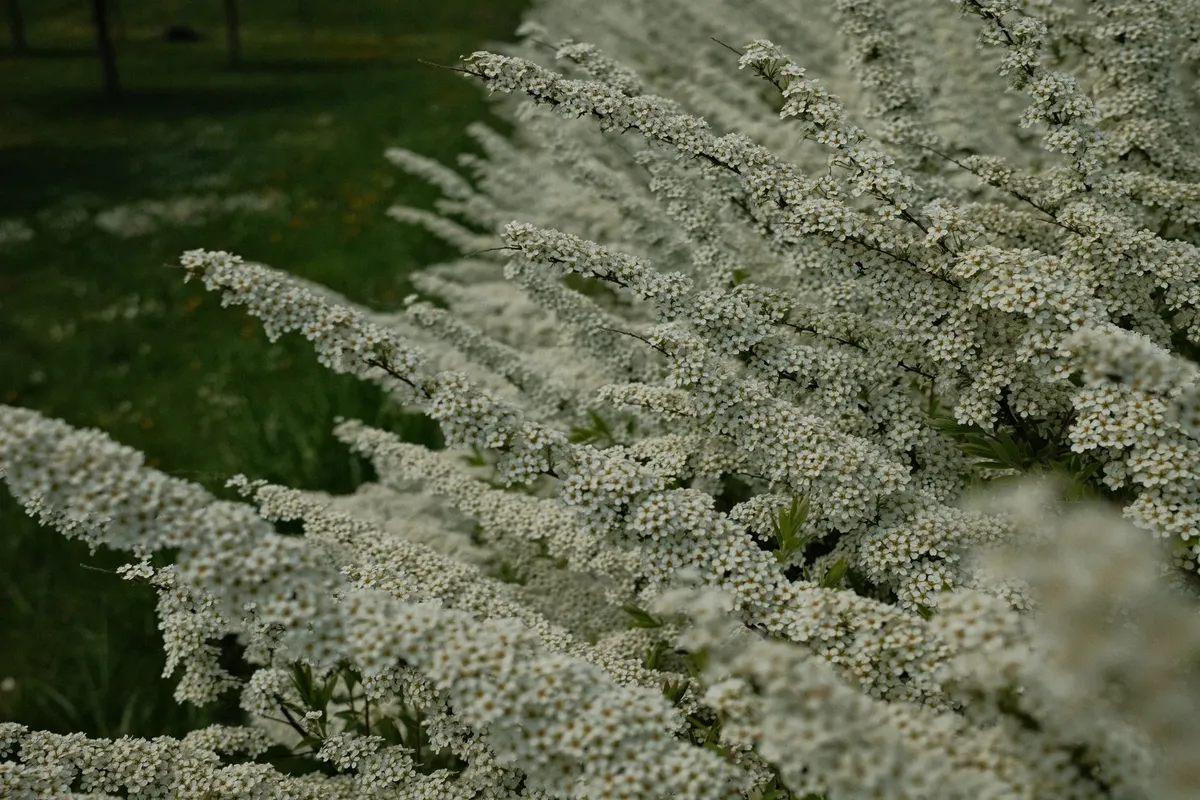
I find that balancing these two types is the key to a layered, professional-looking landscape.
The same subject is also called Choosing garden trees.
The same subject is also called Best shrub selection tips.
The same subject is also called How to pick garden plants.
The same subject is also called Tree and bush selection.
This part also covers Proper tree planting care.
This part also covers Avoiding plant selection errors.
This part also covers Matching plants to garden style.
Proper tree planting care
Related
- Choosing trees for gardens: A guide to yard growth
- Potting soil guide: Choosing plants for pots success
When Considering the Right Plants, What About Plant Health?
Plant health assessment is a crucial part of selecting the right plants for your space. You should examine the foliage for any signs of pests or disease before committing to a purchase. A plant exhibiting stress symptoms may indicate underlying issues that will persist even after planting.
Furthermore, observing the vigor of the specimen gives insight into its natural resilience against local stressors.
When evaluating plant health, compare the specimen to healthy examples of the same species if possible. This comparison helps you discern between minor blemishes and systemic problems that affect the plant's ability to thrive.
Selecting the right plants means choosing specimens that appear robust and well-established in their nursery setting.
What are the cautions when selecting the right plants for shade areas?
When selecting the right plants for areas receiving limited sunlight, you must prioritize shade-tolerant species. Some plants that appear hardy might actually suffer from etiolation, where they stretch excessively toward meager light sources.
Always confirm the specific light requirements listed for the species you are considering.
For shaded locations, the soil moisture retention capability of the plant becomes a significant factor. Plants adapted to low light often require consistent, gentle watering to prevent desiccation.
This careful consideration ensures that the chosen plants can meet their biological needs within the constraints of the site conditions.


Comments 0