Small yard soil choice: Tips for 48 hour drainage system
"A rain garden can act as a natural filter, turning runoff into a resource rather than a nuisance."
Selecting the right soil for a small yard rain garden involves balancing drainage with filtration to manage stormwater effectively. This guide covers the essential soil composition, drainage requirements, and maintenance checks for high-performing bioretention systems.
Key takeaways: * Use a specific sand, compost, and topsoil ratio for optimal drainage. * Ensure the system drains within 48 hours to prevent clogging. * Aim for organic-rich, deep media profiles to maximize nitrogen removal.
How do I select the right small yard soil choice?

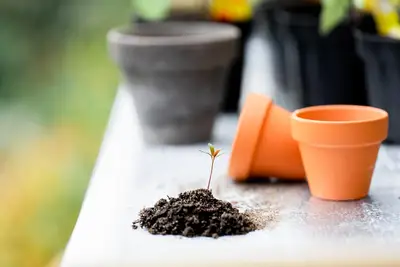
At dawn, I kneel in the backyard to squeeze a handful of gritty, dark earth, checking if the small pile holds its shape.
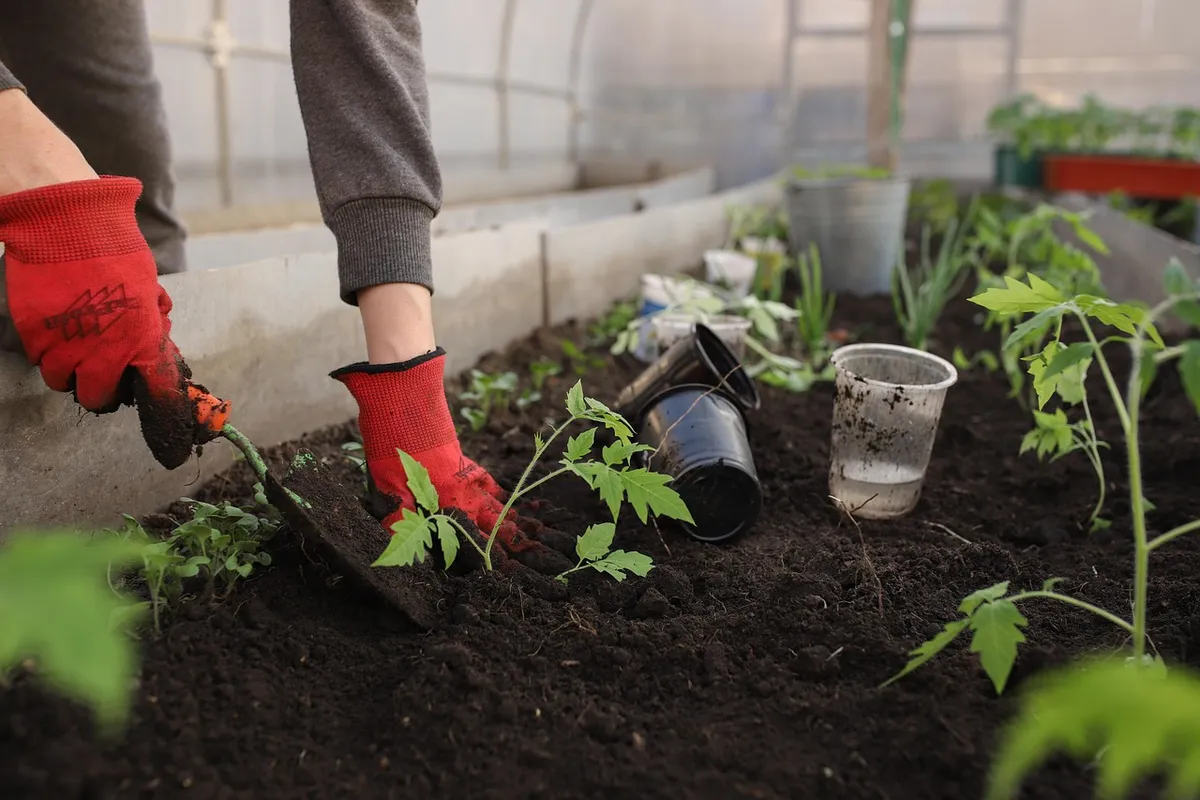
A shovel slices through damp, dark earth as the gardener prepares a planting bed. To ensure effective water management, the bioretention soil mixture should typically contain 60% sand, 20% compost, and 20% topsoil.
This specific blend creates a medium that allows water to move through while providing enough structure for plant life. Using these proportions helps prevent the ground from becoming too compacted or too loose.
A well-mixed bed provides the foundation for a successful rain garden. I remember checking the texture of a similar mix to ensure it felt gritty yet nutrient-rich.
Evaluate your yard's sunlight exposure and current soil texture to determine if you need to amend existing dirt or purchase bagged potting mixes. Focus on nutrient density and organic matter to support plant health in limited spaces.
What are the best soil for small garden drainage requirements?

At noon, I kneel in the backyard to watch how the water disappears into a small, thirsty hole in the dirt.
Water pools in a shallow depression after a heavy downpour, waiting to soak into the ground. Many design guidelines recommend that rain gardens drain within 24–48 hours following storm events.
Proper drainage prevents the area from becoming a stagnant pond, which can attract unwanted pests or damage plants. Rapid infiltration is key to managing sudden shifts in water volume.
Managing these timelines is critical for plant health. If the water stays too long, the environment may shift from a garden to a swamp.
For areas prone to standing water, use a sandy loam or a mix containing perlite and coarse grit to facilitate water movement. Avoid heavy clay-based soils that trap moisture and cause root rot in confined garden beds.
How do I manage garden soil selection guide for filtration?
Rain hits a leaf and drips into the amended soil, which begins the cleaning process. Studies show that rain gardens with amended soils rich in organic content and deeper media profiles can remove over 60% of total nitrogen under optimal conditions.

According to the Massachusetts Department of Environmental Protection, rain gardens may remove 90% of total suspended solids, 50% of nitrogen, and 90% of phosphorus.
The depth and organic quality of the soil directly impact how much pollution is captured. A thicker profile of amended soil provides more opportunities for biological and chemical filtration.
A deep bed of soil acts as a natural sponge for nutrients. This layer ensures that even as water moves downward, contaminants are caught in the process.
Select soil with high organic content, such as compost, to help trap pollutants and slow down water movement. This allows the soil to act as a natural filter while replenishing the earth with essential nutrients.
How do I handle small patio soil types and runoff?
Rainwater flows from a roof gutter into a collection basin during a storm. The rain garden basin is 300mm deep and has a storage capacity of 2.17m³ which is just over the volume required to store runoff from the roof catchment in a 1 in 100 storm plus 30% allowance for climate change.
In areas where impervious surfaces are high, such as central urban areas which can account for about 90–100 percent of the land cover, managing this runoff is vital. The soil must be able to handle these concentrated volumes.
The capacity of the basin must match the expected runoff volume to prevent overflow. If the soil is too dense, the sudden influx of water will simply bypass the system.
When gardening in patio containers, use lightweight potting mixes to prevent structural strain and ensure rapid drainage. To manage runoff, place containers on saucers or use raised planters that direct excess water away from the patio surface.
What are the steps for soil maintenance and checking?
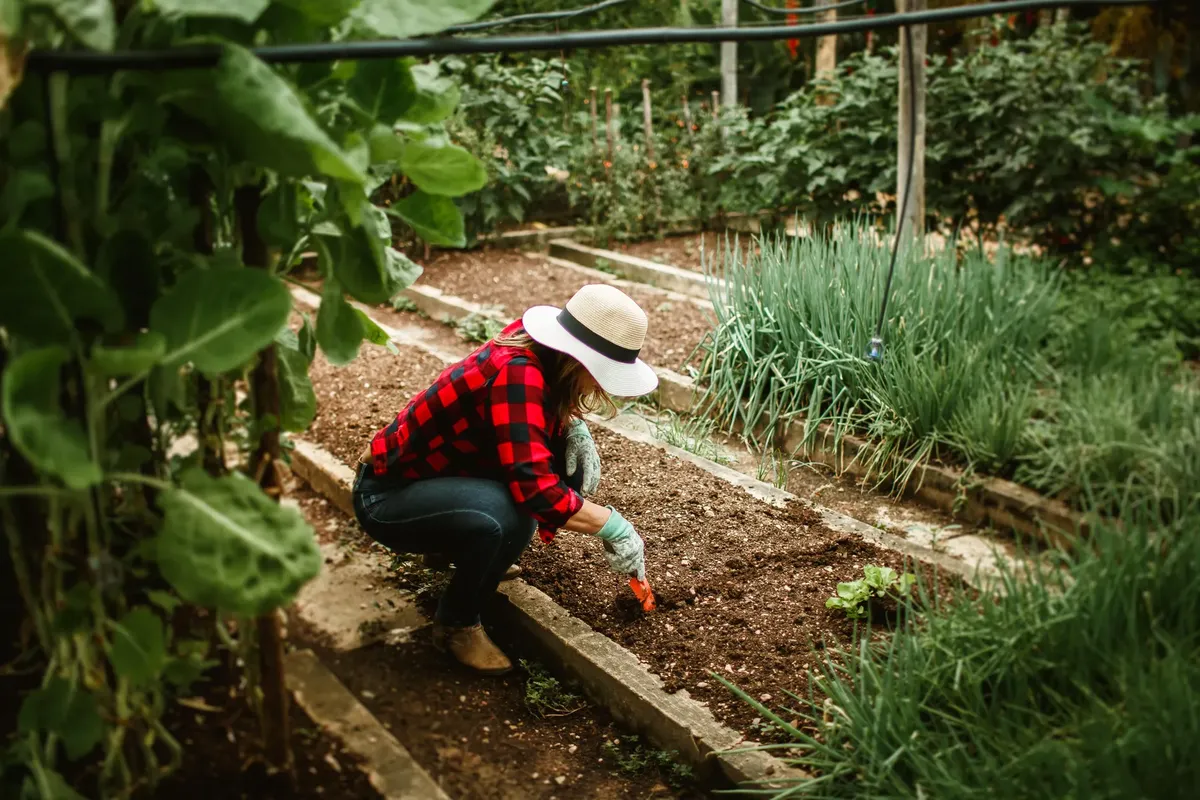
A gardener kneels in the dirt to clear away debris from the surface of the garden. To maintain a healthy system, follow these steps:
- Inspect the surface for signs of clogging or sediment buildup. 2. Check the infiltration rate to ensure water drains within the 48-hour window. 3. Replenish organic matter if the soil structure begins to degrade.
A final check involves observing the area after a heavy rain to ensure no standing water remains after two days.
Ponding beyond 48 hours or channelization may indicate clogging which is one of the most common challenges associated with rain gardens. This can happen if the sand-to-compost ratio is off or if fine sediment has filled the pores of the soil.
| Soil Component | Percentage |
|---|---|
| Sand | 60% |
| Compost | 20% |
| Topsoil | 20% |
I found that checking the drainage time immediately after a storm was the most helpful way to monitor soil health.
- Test the moisture levels by inserting a finger into the soil to check for dampness.
- Replenish nutrients by adding a layer of fresh compost to the top of the beds.
- Loosen the soil surface occasionally to prevent compaction and improve aeration.
Related
- How to make garden compost: Guide to moisture and air
- Choosing garden soil types: Why pore space is vital
When should I monitor the rain garden soil? Monitoring the rain garden soil is most effective immediately following a significant rain event. Observing the area after a heavy rain helps confirm that no standing water persists after two days. This observation directly relates to the system's ability to manage the runoff volume.
If the soil structure begins to degrade, replenishing organic matter is a necessary maintenance step. This action supports the soil's capacity to filter pollutants effectively. The gardener should also check the infiltration rate periodically.
Check the soil immediately after heavy rain events to ensure water is infiltrating properly rather than pooling on the surface. Regular inspections during seasonal transitions are also helpful to manage changes in soil compaction and moisture retention.
How does soil composition affect nutrient removal in the rain garden? The organic-rich nature of the soil media allows for substantial nitrogen removal during the filtration process. Deeper media profiles enhance the opportunities available for biological filtration within the rain garden. The specific sand, compost, and topsoil ratio supports this filtration capacity.
When the soil mixture is correctly proportioned, it allows water to pass through while maintaining the necessary structure for plant life. This structure is vital for the soil to act as a natural sponge for nutrients as water moves downward.
Proper soil selection is the foundation for a successful rain garden, ensuring that the runoff is transformed into a manageable resource.
What happens if the soil drainage is insufficient? Insufficient soil drainage results in the rain garden becoming a stagnant pond, which poses risks to the garden. This condition can attract unwanted pests or damage the plants within the rain garden. Rapid infiltration is necessary to handle the sudden shifts in water volume effectively.
When is the soil structure most vulnerable? Soil structure becomes vulnerable when it begins to degrade, necessitating replenishment of organic matter. This degradation can occur if the sand-to-compost ratio is incorrect or if fine sediment accumulates in the soil pores. Monitoring the rain garden soil helps detect these structural changes early.
The specific blend of sand, compost, and topsoil is designed to prevent the ground from becoming overly compacted or excessively loose. This balance is crucial for the rain garden to function as a natural filter.
When the soil mixture is properly proportioned, it permits water passage while sustaining the necessary structure for plant life. This structure enables the rain garden to capture contaminants as water moves through the deep media profile.





Comments 0